A New Dawn for Sustainable Fuels: Denmark Unleashes Commercial E-Methanol
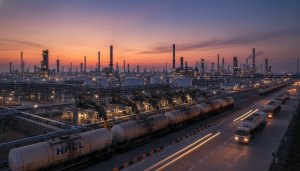
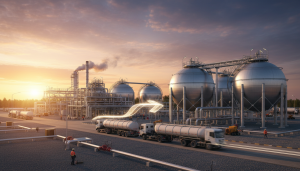
The global energy landscape witnessed a significant milestone this week with the inauguration of the world’s inaugural commercial-scale e-methanol production facility in Denmark. This pioneering plant signals a pivotal shift in the pursuit of decarbonizing heavy industries, particularly the maritime sector, offering a tangible solution for sustainable shipping fuels. Spearheaded by a collaborative effort between Denmark’s European Energy and Japan’s Mitsui, the facility is poised to become a critical supplier for shipping giant Maersk, which has committed to integrating low-emission fuels into its vast container fleet. This development marks a substantial step forward for investors tracking the energy transition and the burgeoning Power-to-X market.
Charting a Green Course for Global Shipping
The international shipping industry faces mounting pressure to dramatically reduce its carbon footprint. With a majority of nations endorsing measures to align with the International Maritime Organization’s (IMO) ambitious targets for eliminating carbon emissions by 2050, the demand for viable, zero-emission shipping fuels has reached an all-time high. Historically, sustainable alternatives such as green ammonia and e-methanol, both produced using renewable energy sources, have struggled with price competitiveness against conventional bunker fuels due to a lack of commercial-scale production. The opening of the Kasso plant directly addresses this challenge, aiming to bridge the gap between nascent technology and widespread adoption. For investors, this signals a compelling entry point into the green shipping fuel market, ripe for expansion as regulatory pressures intensify and corporate ESG commitments deepen.
Kasso’s Green Production Model and Investment Profile
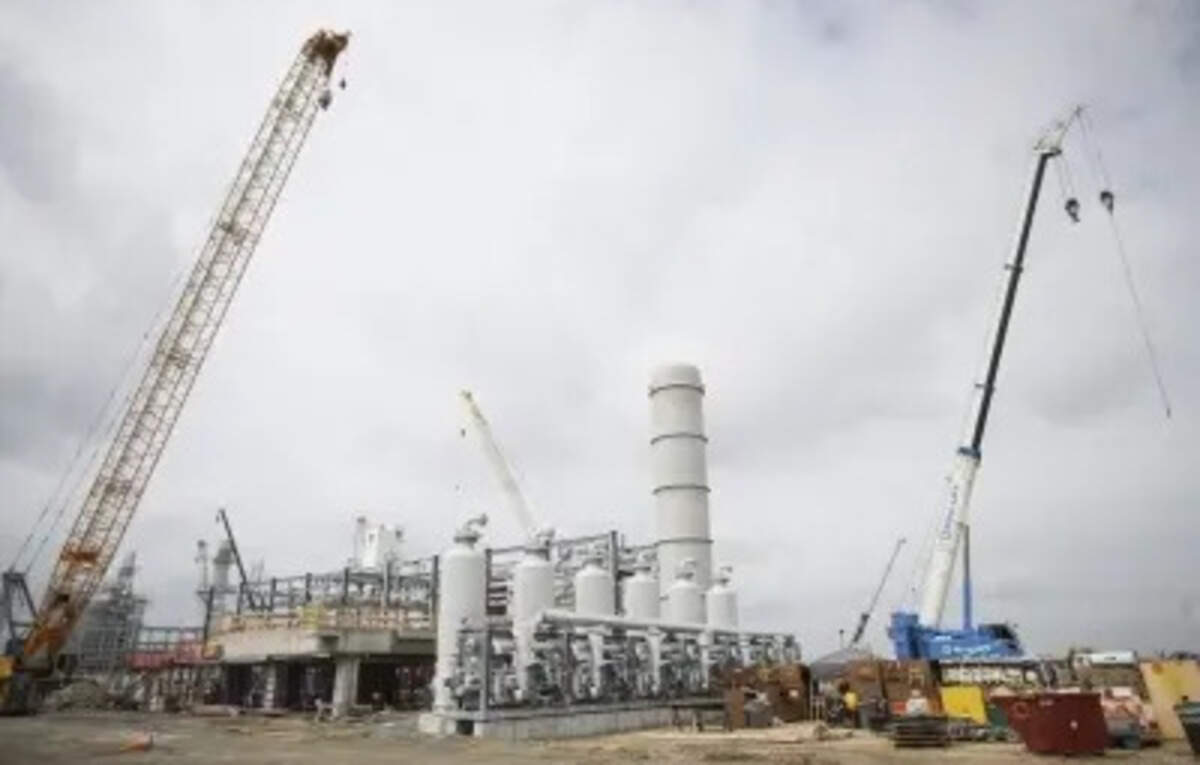
Located in Kasso, southern Denmark, this state-of-the-art facility represents a considerable investment, estimated at 150 million euros (approximately $167 million). Its impressive operational capacity is set to yield 42,000 metric tons, equivalent to 53 million liters, of e-methanol annually. Crucially, the plant’s production methodology represents a paradigm shift from traditional methanol synthesis. While conventional methanol typically relies on fossil feedstocks like natural gas and coal, the Kasso plant leverages renewable energy sources and utilizes captured CO2 from local biogas plants and waste incineration facilities. This innovative approach not only minimizes the carbon intensity of the fuel but also establishes a circular economy model, creating value from what would otherwise be emissions. The transparent investment figures and production volumes provide clear metrics for evaluating the financial viability and scalability of such green energy infrastructure projects.
Maersk’s Strategic Pivot: Fueling the Future Fleet
A.P. Moller-Maersk, a titan in global logistics, stands as a cornerstone client for the Kasso facility, underscoring its strategic commitment to decarbonization. The shipping conglomerate currently operates 13 dual-fuel methanol container vessels, capable of running on both conventional fuel oil and e-methanol, with an additional 13 vessels already on order. This significant fleet expansion highlights Maersk’s proactive stance in the maritime fuel transition.
To put the Kasso plant’s output into perspective, its entire annual production volume is sufficient to power one large 16,000-container vessel for a full year of sailing between Asia and Europe. For smaller vessels, such as the Laura Maersk – the world’s first dual-fuel container ship with a capacity exceeding 2,100 twenty-foot equivalent units – the annual fuel requirement stands at a more modest 3,600 tons. The Laura Maersk was notably scheduled to refuel near Kasso immediately following the plant’s commissioning, symbolizing the tangible impact of this new supply chain. Maersk acknowledges that the primary hurdle in this transition is the elevated cost of sustainable fuels, actively investing in research and development across green fuel technologies and operational efficiencies to drive down expenses. This commitment from a leading industry player provides a strong signal to investors regarding the long-term demand for e-methanol and the potential for economies of scale.
Expanding Markets: E-Methanol’s Reach Beyond Maritime
The utility of e-methanol extends far beyond the maritime sector, positioning it as a versatile green chemical feedstock. Beyond its role as a shipping fuel, e-methanol offers a direct, low-carbon replacement for fossil-derived methanol in numerous industrial applications. This versatility means the Kasso plant can supply other prominent Danish enterprises committed to sustainability. For instance, pharmaceutical giant Novo Nordisk plans to incorporate e-methanol from the plant into the production of its injection pens, while toy manufacturer Lego will utilize it in the manufacturing of its iconic plastic bricks.
Furthermore, the Kasso plant integrates a smart energy management system. The excess heat generated during the e-methanol production process will be harnessed and channeled to heat approximately 3,300 local households, demonstrating a commitment to energy efficiency and community benefit, aligning with broader ESG investment criteria. This multi-sectoral impact underscores the broader investment thesis for sustainable fuels and advanced chemical production.
The Path Forward: Scaling, Cost Efficiency, and Investment Horizons
While the Kasso plant marks a monumental achievement, its current output, as noted by Emil Vikjar-Andresen, head of European Energy’s Danish Power-to-X team, is “just a literal drop in the ocean” compared to global demand. This candid assessment underscores the critical need for aggressive scaling of e-methanol production and a relentless focus on cost reduction to achieve widespread adoption. For investors, this highlights the immense growth potential within the Power-to-X sector, which converts renewable electricity into clean fuels and chemicals.
The journey towards a fully decarbonized energy system will require substantial capital allocation towards new green energy infrastructure, advanced carbon capture technologies, and further research into efficiency improvements. The success of pioneering projects like Kasso will be instrumental in de-risking future investments and attracting the necessary funding to build out the global capacity required. As the regulatory environment tightens and corporate sustainability mandates become more stringent, the financial opportunities in sustainable fuel production, particularly e-methanol, are poised for exponential growth, offering attractive prospects for forward-thinking investors in the oil and gas transition landscape.