The energy investment landscape is perpetually reshaped by a confluence of factors, from geopolitical shifts to technological advancements. Yet, an often-underestimated variable is the very foundation of agricultural output, particularly concerning its role in the biofuel sector. Recent reports of drought-driven early harvests across key agricultural regions are sending unexpected ripples through the energy market, impacting the supply outlook for biofuels and, by extension, the competitive dynamics for traditional crude. For astute investors, understanding this agricultural stress and its implications for alternative fuels is becoming increasingly critical in a volatile market.
Drought-Hit Harvests Squeeze Biofuel Feedstock Supply
Agricultural producers are grappling with unprecedented conditions, with many reporting harvests arriving up to two weeks ahead of schedule. This isn’t a sign of bumper yields, but rather a stress response to prolonged drought and exceptionally warm temperatures. Crops like wheat, oilseed rape, oats, and malting barley, all critical feedstocks for biofuel production, are maturing rapidly under duress. Experts note that plants, under severe water stress, accelerate their growth stages to produce seed before senescence, leading to an early but potentially diminished harvest.
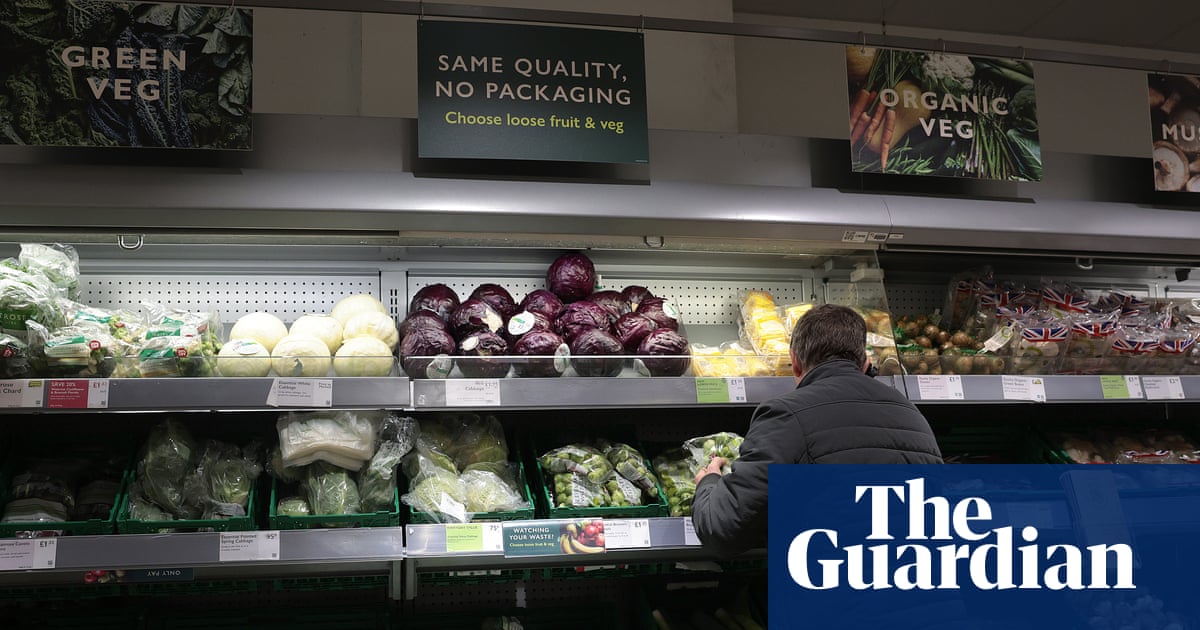
The implications for biofuel supply are direct and concerning. Oilseed rape, a primary source for biodiesel, and grains like wheat and barley, used in ethanol production, face significant yield uncertainties. While some farms employing regenerative practices report improved soil water retention, the broader picture is one of widespread agricultural strain. Reports from the field indicate that yields for some water-intensive crops, such as broccoli, have been cut by more than 50%. This directly translates to higher input costs or reduced availability for biofuel refineries. As the National Farmers’ Union highlights, the increasing frequency of extreme weather, oscillating between drought and heavy rain, poses substantial financial consequences for farm businesses and, by extension, the biofuel supply chain, necessitating greater investment in climate adaptation and resilient crop varieties.
Crude Volatility and Biofuel Competitiveness in Flux
The agricultural sector’s woes arrive at a time of significant flux in the conventional energy market. As of today, Brent Crude trades at $90.38 per barrel, marking a substantial 9.07% decline within the day, with its range fluctuating between $86.08 and $98.97. Similarly, WTI Crude has fallen to $82.59, down 9.41%, trading between $78.97 and $90.34. This sharp daily drop extends a broader trend, with Brent having shed approximately $20.91, or 18.5%, over the past 14 days, from $112.78 on March 30th to $91.87 yesterday. Gasoline prices have also softened, currently at $2.93 per gallon, down 5.18% today.
This rapid depreciation in crude oil prices creates a challenging economic backdrop for the biofuel sector. When conventional fuels become significantly cheaper, the competitive edge of biofuels, already battling potentially higher feedstock costs due to drought, is eroded. Ethanol and biodiesel producers face a dual squeeze: rising input expenses from constrained agricultural harvests and diminishing price premiums against conventional gasoline and diesel. Investors must closely monitor this dynamic, as sustained low crude prices combined with escalating biofuel production costs could temper demand for alternative fuels, impacting investment strategies in renewable energy and potentially reinforcing reliance on traditional hydrocarbons in the short to medium term.
Investor Queries: Navigating Oil Price Trajectories and OPEC+ Strategies
Our proprietary reader intent data reveals a keen focus among investors on the future trajectory of crude oil prices and the strategies of key market players. Many are asking about the predicted price of oil per barrel by the end of 2026 and seeking clarity on OPEC+ production quotas. This agricultural crisis, while seemingly distant from crude oil wells, introduces another layer of complexity to these predictions. While it doesn’t directly alter crude production, a constrained and more expensive biofuel supply could indirectly prop up demand for conventional fuels, even amidst current price declines.
The upcoming OPEC+ Joint Ministerial Monitoring Committee (JMMC) meeting on April 18th, followed by the full Ministerial Meeting on April 19th, will be crucial. Decisions regarding production quotas will directly influence global crude supply and, consequently, its price. Investors are rightly concerned about how these decisions will interact with a market already grappling with geopolitical tensions, demand uncertainties, and now, the added variable of biofuel feedstock scarcity. If OPEC+ maintains or even cuts production in response to current price weakness, it could provide a floor for crude prices, further impacting the competitive position of biofuels that are simultaneously facing supply-side pressures from climate-stressed harvests. Understanding the interplay between these traditional supply-side maneuvers and the evolving viability of alternative fuels is paramount for informed investment decisions in the energy sector.
Forward Outlook: Climate Adaptation and Energy Security
Looking ahead, the recurring theme of extreme weather, from droughts to floods, underscores a fundamental challenge for both food and energy security. The need for significant investment in climate adaptation, robust water infrastructure, and resilient crop varieties within the agricultural sector is not merely an environmental concern; it is an indirect but vital component of a stable energy transition. As an increasing share of our energy mix relies on biomass-derived fuels, the reliability of agricultural output becomes inextricably linked to energy market stability.
Over the next two weeks, market participants will gain further clarity on conventional supply-demand dynamics through key data releases. The API Weekly Crude Inventory reports on April 21st and April 28th, alongside the EIA Weekly Petroleum Status Reports on April 22nd and April 29th, will offer snapshots of U.S. crude and product inventories, providing insights into immediate market balances. Furthermore, the Baker Hughes Rig Count on April 24th and May 1st will indicate upstream activity. However, these traditional indicators must be viewed through a broader lens that includes the long-term structural vulnerabilities of the biofuel supply chain. Investors should consider how sustained agricultural distress could lead to higher and more volatile biofuel prices, influencing long-term investment in both conventional energy and renewable alternatives. The interconnectedness of climate, agriculture, and energy markets is no longer a distant threat but a present reality demanding integrated analytical approaches for robust portfolio management.


