Agile Logistics: How Drop-Trailer Programs Drive Efficiency and Value in Oil & Gas
The oil and gas sector, with its intricate supply chains spanning remote exploration sites, sprawling midstream networks, and complex refining operations, constantly seeks avenues for enhanced efficiency and cost control. As market dynamics tighten and operational demands intensify, innovative logistics strategies become paramount. One such powerful solution rapidly gaining traction for its transformative impact on operational fluidity and financial performance is the drop-trailer program. This approach fundamentally reshapes how O&G shippers manage their freight, promising significant gains in productivity and a sharper competitive edge.
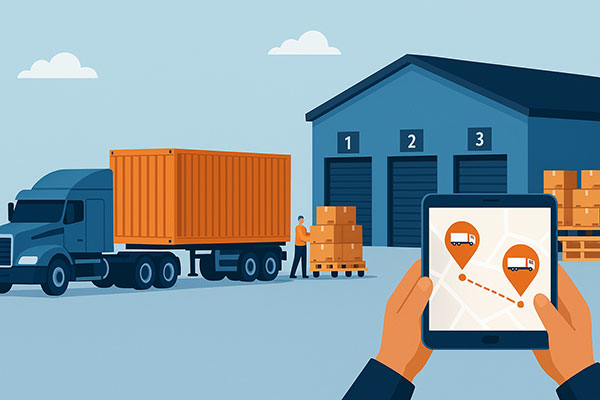
For investors monitoring the operational expenditure (OpEx) and supply chain resilience of energy companies, understanding the mechanics and benefits of drop-trailer programs offers crucial insight into a company’s commitment to lean operations and sustainable profitability. The core principle is deceptively simple yet profoundly effective: carriers deliver a loaded trailer to an O&G facility and “drop” it, detaching the tractor and moving on to their next assignment. The trailer remains on-site, allowing the shipper’s personnel to unload or load it at their convenience, without the pressure of a waiting driver. This decoupling of driver schedules from facility operations provides unparalleled flexibility, a critical asset in the often unpredictable world of oil and gas logistics.
Unlocking Substantial Operational Efficiencies
The immediate and most tangible benefit of a drop-trailer program lies in its capacity to dramatically improve operational efficiency. Traditional logistics often see drivers idling for hours in dock queues, awaiting their turn to be loaded or unloaded. This scenario incurs substantial costs—not just in driver wages and potential overtime, but also in wasted fuel and reduced asset utilization. By eliminating this waiting game, O&G companies can optimize their internal workflows, ensuring that facility staff and equipment are utilized to their maximum potential without external time constraints. This translates directly into higher throughput, faster turnaround times for critical materials like drilling fluids, proppants, pipes, or specialized equipment, and ultimately, a more productive workforce.
Furthermore, this system empowers shippers to work at their own pace, aligning loading and unloading activities with internal schedules rather than external driver availability. This optimization leads to better labor utilization, as staff can be deployed strategically across various tasks, reducing the need for costly overtime during peak periods and streamlining overall operational cadence. For energy companies operating 24/7, the ability to orchestrate logistics without rigid driver-imposed deadlines is a game-changer, fostering a more agile and responsive supply chain capable of adapting to the rapid demands of drilling campaigns or facility maintenance.
Strategic Solutions for Storage and Scheduling Challenges
Beyond immediate efficiency gains, drop-trailer programs offer strategic advantages in addressing common logistical bottlenecks within the O&G sector. Dock congestion, particularly at busy supply bases, refineries, or remote field locations, can cripple operations and lead to costly delays. By allowing trailers to be dropped in designated yard space, facilities can keep their critical loading docks clear and operational, ensuring a smooth flow of goods and preventing bottlenecks that impact the entire supply chain. This approach minimizes disruptions and maximizes the effective use of valuable real estate at energy infrastructure sites.
Moreover, these programs provide an invaluable solution for short-term storage needs. In an industry prone to fluctuating demand, unexpected project delays, or weather-related disruptions, drop trailers can serve as flexible, temporary warehouses. Instead of investing in additional permanent warehousing or incurring penalties for delayed outbound shipments, companies can utilize these trailers to manage inventory overflow or stage materials for upcoming projects. This flexibility is particularly beneficial for managing specialized equipment or bulk commodities required for drilling and completion activities, offering a dynamic buffer against supply chain volatility without significant capital expenditure.
Optimizing Resource Allocation and Financial Performance
The ability to optimize scheduling stands as another cornerstone benefit. O&G shippers gain greater control over their timelines, allowing them to load and unload during off-peak hours, when labor and equipment might be more readily available or less costly. This strategic allocation of resources not only improves efficiency but also directly reduces labor costs. By staggering operations and aligning fleet utilization with demand cycles, companies can fine-tune their logistics strategy to minimize expenses and maximize output, a critical factor for maintaining healthy margins in a commodity-driven market.
From an investor’s perspective, these accumulated efficiencies and strategic advantages translate directly into improved financial performance. Reduced idling costs, lower overtime expenses, better asset utilization, and minimized congestion all contribute to a leaner operational expenditure profile. Companies that effectively implement drop-trailer programs demonstrate a proactive approach to supply chain management, mitigating risks and enhancing their ability to respond to market shifts. This operational agility can lead to higher profit margins, a stronger competitive position, and ultimately, increased shareholder value. In an industry where logistical prowess often dictates the pace of progress and the depth of profitability, embracing solutions like drop-trailer programs represents a forward-thinking investment in operational excellence.