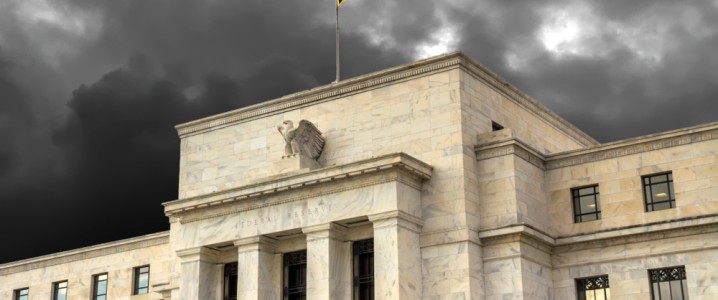
The firing of Federal Reserve Governor Lisa Cook by President Trump, citing alleged improprieties, has sent immediate tremors through financial markets, weakening the U.S. dollar and setting the stage for a potential constitutional clash over the independence of the central bank. For oil and gas investors, this unexpected development injects a new layer of macroeconomic uncertainty and opportunity. A weakening dollar typically translates to stronger oil prices, making crude more affordable for international buyers. This analysis delves into the immediate market reactions, the longer-term implications for Fed policy, and how upcoming energy events will intersect with this evolving political landscape to shape the trajectory for crude benchmarks and energy equities.
Dollar Weakness Fuels Immediate Oil Price Gains
The financial markets reacted swiftly to the news of Governor Cook’s removal. The U.S. dollar promptly slipped 0.3% against a basket of major currencies, a move that historically provides a tailwind for commodity prices. As of today, Brent Crude is trading at $98.01, marking a significant 3.24% increase within the day’s range of $94.42-$99.84. Similarly, WTI Crude has climbed to $89.65, up 1.72%, with gasoline prices also seeing a 2.33% rise to $3.08. These immediate gains stand in stark contrast to the recent downward trend in crude; Brent, for instance, had depreciated by over 12% in the preceding two weeks, falling from $108.01 on March 26 to $94.58 yesterday. This reversal highlights the sensitivity of oil markets to shifts in currency strength and macroeconomic sentiment. A cheaper dollar effectively reduces the cost of oil for non-dollar denominated buyers, stimulating demand and supporting prices in a market already grappling with supply tightness and geopolitical risks. Investors should recognize this as a key driver behind today’s upward momentum.
Fed Independence Under Siege: Implications for Rate Policy and Demand
The unprecedented move to remove a sitting Federal Reserve governor “for cause,” particularly when that provision has never been tested against Fed leadership, represents a direct challenge to the central bank’s independence. This action reverberated through Treasury markets, with short-term yields falling and longer-dated yields climbing, reflecting investor expectations of increased political pressure for near-term interest rate cuts. Experts warn that this level of aggression against the Fed’s institutional framework could erode confidence in critical economic data and the central bank’s autonomy. For the oil sector, the potential for political influence to push for earlier or more aggressive rate cuts could be a significant demand stimulant. Lower interest rates generally foster stronger economic activity, boosting industrial output, travel, and consumer spending – all direct drivers of petroleum consumption. Oil and gas investors are keenly watching if this political maneuver ultimately accelerates the timeline for monetary easing, a factor that could underpin a stronger demand outlook for the latter half of the year.
Navigating Upcoming Supply Dynamics Amidst Investor Scrutiny
Our proprietary reader intent data reveals a strong focus from investors on understanding current OPEC+ production quotas and building a reliable Brent crude price forecast for the next quarter. This underscores the critical importance of supply-side dynamics even as macro factors like dollar strength play out. The upcoming calendar is packed with events that will shape these supply expectations. The OPEC+ Joint Ministerial Monitoring Committee (JMMC) meets this Saturday, April 18, followed by the full OPEC+ Ministerial Meeting on Monday, April 20. These gatherings are pivotal for determining any adjustments to current production quotas. Market participants will be scrutinizing every statement for signals on supply discipline and the group’s response to fluctuating demand forecasts. Beyond OPEC+, the Baker Hughes Rig Count on April 17 and April 24 will offer insights into North American supply trends, while the API and EIA weekly crude inventory reports on April 21/22 and April 28/29 will provide crucial snapshots of U.S. stock levels and demand. Any indication of sustained drawdowns or unexpected supply disruptions, coupled with the tailwind from a weaker dollar and potential rate cuts, could provide a robust foundation for a higher base-case Brent price forecast heading into Q3.
Political Volatility and Strategic Energy Positioning
The legal battle surrounding Governor Cook’s firing is expected to be contentious, potentially escalating into a constitutional showdown between the White House and the Federal Reserve. The Supreme Court has previously affirmed that presidents lack unilateral authority to remove Fed governors, suggesting a protracted legal challenge. This political volatility introduces an element of uncertainty that investors must weigh. While immediate dollar weakness offers a short-term boost to oil prices, the longer-term implications of undermining central bank independence could lead to broader market instability. For energy investors, strategic positioning in this environment means prioritizing companies with strong balance sheets, diversified asset portfolios, and robust free cash flow generation. These attributes provide resilience against macroeconomic shocks and political headwinds. Furthermore, companies with exposure to regions or segments less directly impacted by U.S. domestic political machinations, or those positioned to benefit from a sustained period of higher commodity prices, may offer attractive opportunities. The current landscape demands a nuanced approach, balancing the immediate tailwinds from a weaker dollar with the potential for increased volatility stemming from unprecedented political interference in monetary policy.