Major Leap in Carbon Capture: DNV Greenlights Aker BP and Hoegh Evi CO2 Carrier Design
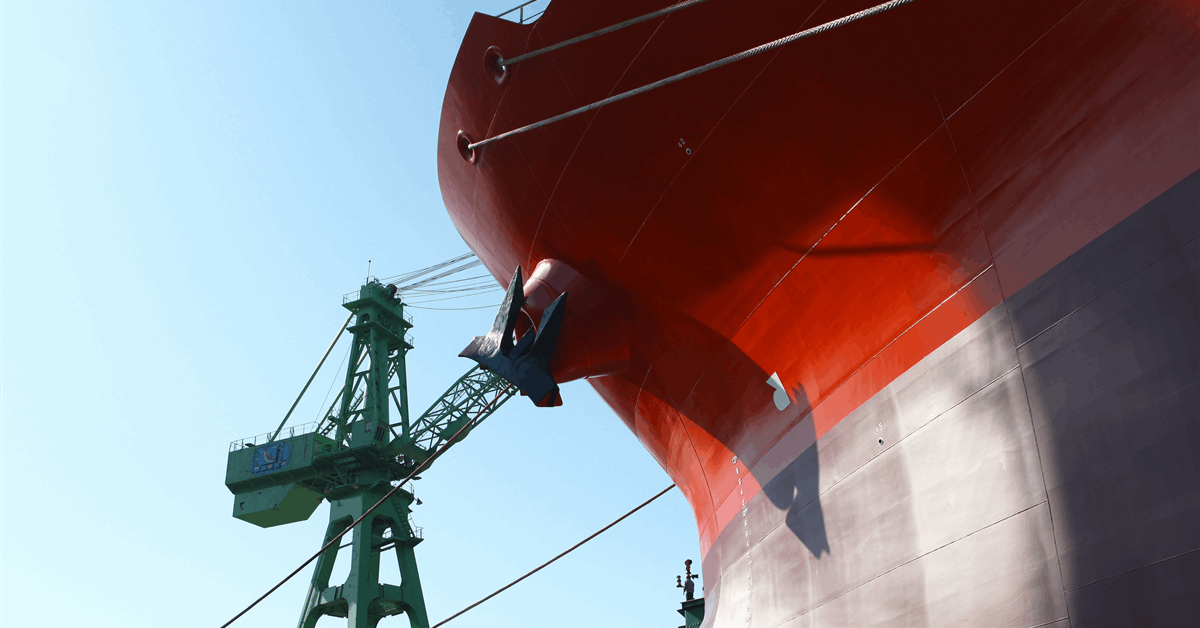
The burgeoning market for carbon capture, utilization, and storage (CCUS) has received a significant boost with DNV AS, the renowned classification and advisory firm, granting Approval in Principle (AiP) to a groundbreaking carbon dioxide (CO2) carrier design. This innovative vessel, a collaborative effort between Aker BP ASA and Hoegh Evi, is poised to revolutionize the large-scale transportation of industrial emissions across Europe to secure sequestration sites deep beneath the Norwegian waters. This development signals a crucial maturation of the infrastructure required for the widespread adoption of CO2 management, presenting clear investment horizons in the energy transition landscape.
Initially engineered to manage an impressive capacity of up to 10 million tonnes of CO2 annually, the vessel’s design incorporates inherent scalability, allowing for future expansion to meet anticipated growth in market demand. This forward-thinking approach, developed in Norway with the expertise of Saipem SpA subsidiary Moss Maritime a.s., underscores the long-term vision driving these critical energy infrastructure projects. For investors, this scalability suggests a robust asset with built-in flexibility against evolving market dynamics and increasing regulatory pressures for decarbonization.
Strategic Positioning on the Norwegian Continental Shelf
Aker BP’s involvement extends beyond vessel design; the company holds a strategic position in the carbon storage value chain, operating two pivotal licenses for exploring potential CO2 injection sites on the Norwegian Continental Shelf. These licenses, EXL 005 Poseidon and EXL 011 Atlas, represent cornerstone assets for future large-scale CO2 sequestration, directly complementing the transport capabilities of the newly approved carrier. This integrated approach, from capture to transport to permanent storage, positions Aker BP as a key player in Europe’s decarbonization efforts and offers a compelling narrative for long-term value creation in the sustainable energy sector.
DNV’s AiP represents a rigorous endorsement of the vessel’s technical prowess, encompassing a comprehensive evaluation of its design, including an advanced onboard CO2 conditioning module. Notably, this vessel marks the inaugural project reviewed under DNV’s innovative CO2 RECOND class notation, a standard specifically developed for the complex handling and conditioning of CO2. This new notation provides a robust framework for safety and operational excellence, offering assurance to stakeholders and de-risking future investments in CO2 transport solutions.
Ørjan Jentoft, Aker BP’s asset manager for carbon capture and storage, emphasized the strategic alignment, stating, “We are committed to leveraging Aker BP’s extensive upstream expertise to advance and develop cutting-edge CO2 storage solutions on the Norwegian Continental Shelf.” He further highlighted the transformative potential of the design, asserting, “This innovative design, backed by DNV’s designation, is expected to establish new benchmarks for safe, cost-efficient, and sustainable large-scale CO2 transportation and storage.” These statements underline the company’s commitment to pioneering sustainable energy solutions and capitalizing on its existing oil and gas infrastructure and knowledge base for the energy transition.
Pioneering Projects: The Greensand Precedent
The momentum in CO2 carrier development is palpable across Europe. Earlier this month, the INEOS Group announced the naming and launch of what it described as the first Europe-built CO2 carrier dedicated to capture and storage. Dubbed “Carbon Destroyer 1,” this vessel was constructed at the Royal Niestern Sander shipyard in the Netherlands. Its design, based on the EasyMax concept developed by Dutch shipping majors Royal Wagenborg and Royal Niestern Sander, is specifically adapted for handling CO2 under pressure and at low temperatures, showcasing specialized engineering for this critical cargo.
Carbon Destroyer 1 is set to serve Denmark-based Project Greensand, a collaborative initiative involving diversified British company INEOS, London-based Harbour Energy PLC, and Danish national oil and gas company Nordsøfonden. This pioneering project aims for full operational status by the close of 2025 or early 2026, targeting an initial storage capacity of 400,000 metric tons of CO2 annually. Critically, Project Greensand plans to scale its operations dramatically, aspiring to reach as much as eight million metric tons annually by 2030. This aggressive scaling plan highlights the urgent demand and substantial investment potential within the large-scale CO2 storage market.
Jim Ratcliffe, Chairman of INEOS, underscored the broader implications of these ventures, stating, “The launch of Carbon Destroyer 1 marks a pivotal step for Carbon Capture and Storage in Europe. We are actively demonstrating that Carbon Storage is not only commercially viable but also offers a superior pathway to decarbonize Europe without resorting to deindustrialization.” This sentiment resonates strongly with investors seeking opportunities in sustainable industrial solutions that balance environmental goals with economic imperatives.
Project Greensand has already proven its innovative capabilities, conducting the first-of-its-kind demonstration in March 2023. This landmark event involved the successful cross-border transportation of CO2 from Belgium and its subsequent injection into the Nini field, located on Denmark’s side of the North Sea. This successful pilot validates the technical and logistical feasibility of cross-border CO2 transport and offshore storage, paving the way for more extensive commercial operations and bolstering investor confidence in the long-term viability of CCUS projects.
Investment Outlook: Seizing the Decarbonization Opportunity
The advancements in CO2 carrier design and the operational successes of projects like Greensand signal a burgeoning sector ripe with investment opportunities. As Europe intensifies its drive towards ambitious climate targets, the demand for efficient, safe, and scalable CO2 transportation and storage solutions will only accelerate. Companies like Aker BP, Hoegh Evi, INEOS, and their partners are not merely developing new technologies; they are constructing the essential infrastructure for a decarbonized future. Investors looking to capitalize on the energy transition should closely monitor these developments, as they represent tangible progress in addressing global emissions and fostering sustainable industrial growth. The strategic deployment of next-generation carriers and storage sites on the Norwegian Continental Shelf and other European basins positions these ventures at the forefront of the green economy, offering compelling long-term value propositions.