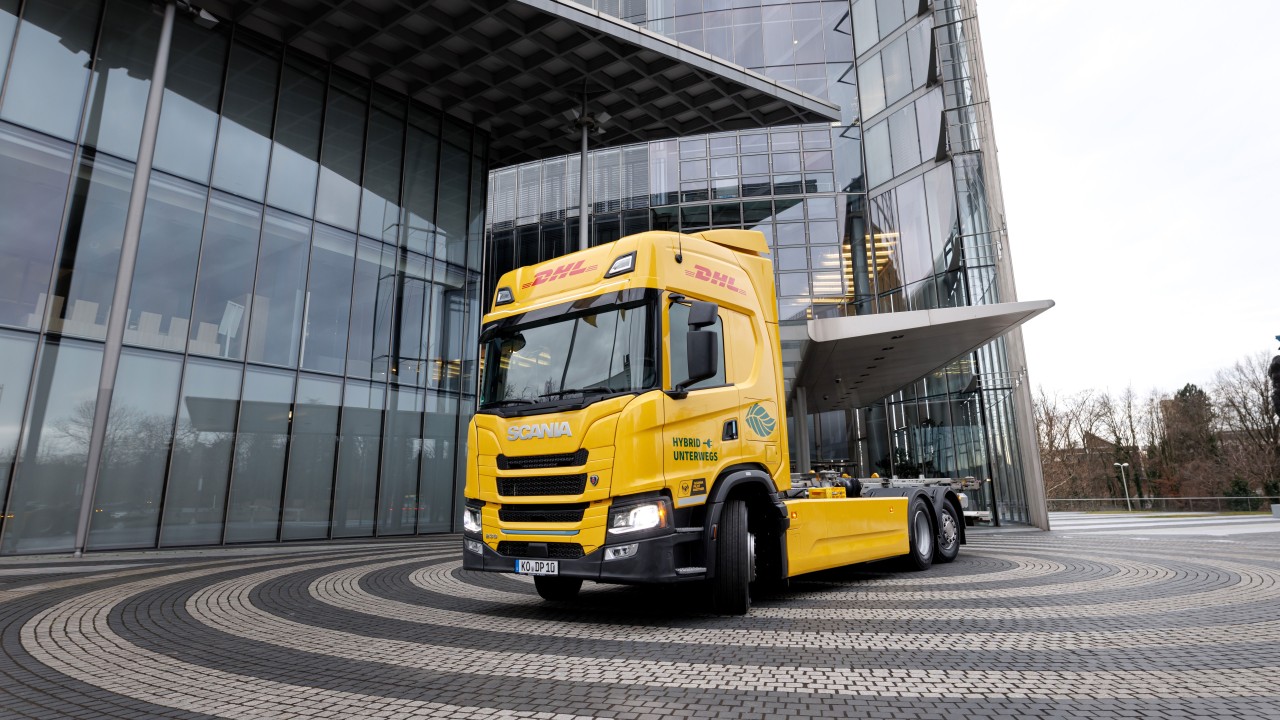
DHL’s EREV Trial: A Harbinger for Oil Demand in Logistics
The global energy landscape is in constant flux, and for discerning oil and gas investors, signals from the logistics sector are becoming increasingly critical. DHL Group, a titan in global shipping, recently concluded an extensive pilot of its Extended Range Electric Vehicle (EREV), developed in conjunction with Scania, yielding results that could significantly recalibrate long-term forecasts for diesel demand. This isn’t merely an environmental footnote; it’s a tangible demonstration of how bridging technologies are poised to accelerate the energy transition, directly impacting the bottom line of the traditional fuel industry.
Deciphering the EREV’s Operational Impact on Fuel Consumption
DHL’s 100-day trial of the EREV, navigating routes between Berlin and Hamburg, presents compelling data. The vehicle logged nearly 22,000 kilometers, operating in a fully electric mode for an impressive 90% of its journey. This translates directly into a drastic reduction in conventional fuel consumption for the vast majority of its operational time. The integrated fuel-powered generator, designed to recharge the battery rather than directly power the drivetrain, was activated for just 8.1% of the total distance. This minimal reliance on fossil fuels during the trial underscores a profound shift: a commercially viable heavy-duty transport solution that drastically curtails diesel dependency without sacrificing range or reliability.
From an emissions standpoint, the trial delivered a massive cut of nearly 16 metric tons of CO₂e, representing over 90% less than a comparable diesel truck. While environmental benefits are often highlighted, the financial implications for the oil sector are clear: such efficiency gains, if scaled across large fleets, will inevitably erode demand for diesel, a cornerstone product for refiners globally. Investors must consider how quickly this technology, or similar hybrid electric solutions, could penetrate the vast logistics market, presenting a direct threat to existing revenue streams tied to internal combustion engine vehicles.
Strategic Implications for Oil Majors and Refiners
For oil and gas majors, the advent and successful piloting of technologies like the EREV signal an urgent need for strategic re-evaluation. The logistics sector is a significant consumer of refined products, particularly diesel. A widespread adoption of EREVs means that a substantial portion of this demand could vanish or, at minimum, be drastically reduced in a relatively short timeframe. This scenario poses a direct challenge to refining margins and asset utilization for companies heavily invested in diesel production. The question for investors isn’t if demand will shift, but rather how rapidly and extensively this transformation will occur.
The EREV’s “extended range” capability, achieved through its backup generator, addresses one of the primary hurdles to full electrification: charging infrastructure limitations. By mitigating this risk, EREVs make the transition to electric-first operations more palatable and immediate for fleet operators. This practical approach could accelerate the timeline for demand destruction in the diesel market, forcing oil companies to pivot faster towards alternative energy sources, petrochemicals, or other diversified revenue streams to maintain investor confidence and profitability in a decarbonizing world.
Navigating Investment Crossroads in the Evolving Energy Mix
While the EREV significantly reduces reliance on diesel, it doesn’t entirely eliminate fossil fuel consumption. The 8.1% of the journey powered by the generator presents a nuanced investment angle. What fuels will power these generators? If they run on conventional diesel, the shift merely reduces volume rather than eliminates it. However, if the industry migrates towards biofuels, renewable natural gas, or hydrogen for these range extenders, it opens new opportunities for companies operating in those specific segments. This creates a complex but fascinating landscape for energy investors, where traditional fuel providers might find new avenues for growth by supplying lower-carbon alternatives for hybrid systems.
Furthermore, the increased electrification, even with range extenders, naturally boosts demand for electricity and associated charging infrastructure. This points to potential investment opportunities in utility companies, grid modernization, and charging technology developers. Oil and gas companies looking to diversify their portfolios might also consider strategic investments in these areas, leveraging their existing energy infrastructure and market knowledge to capture value in the expanding electric mobility ecosystem.
The Regulatory Imperative and Market Acceleration
DHL CEO Tobias Meyer’s call for “pragmatic solutions” and “quick political decisions” highlights the crucial role of regulatory frameworks in accelerating or impeding these market shifts. Supportive government policies, including incentives for low-emission vehicles, investments in charging infrastructure, and clear pathways for sustainable fuel alternatives, can significantly hasten the adoption of technologies like the EREV. For oil and gas investors, understanding the trajectory of such regulations is paramount. Policies that favor decarbonization will inherently create headwinds for traditional fossil fuel demand while simultaneously fostering tailwinds for companies positioned to benefit from the energy transition.
The speed at which regulatory bodies embrace or resist these “bridging technologies” will directly influence the pace of demand destruction for conventional fuels within the logistics sector. A proactive regulatory environment could see a more rapid deployment of EREVs and similar solutions, thereby compressing the timeline for oil companies to adapt their business models. Conversely, regulatory inertia might provide a temporary reprieve but ultimately delay an inevitable transformation, potentially leaving companies unprepared for future market realities.
Positioning for the Future: An Evolving Landscape for Energy Investors
The successful trial of DHL’s EREV is more than just a logistical achievement; it’s a clear market signal for oil and gas investors. It demonstrates a viable, scalable pathway to significantly reducing diesel consumption in heavy-duty transport, a sector long considered a stronghold for fossil fuels. While full electrification faces infrastructure hurdles, hybrid-electric solutions like the EREV offer a pragmatic bridge, accelerating the shift away from pure internal combustion engines. Investors must carefully assess their portfolios’ exposure to traditional refining and distribution assets and explore opportunities in the burgeoning fields of biofuels, hydrogen, advanced battery technology, and charging infrastructure.
The energy transition is not a distant prospect but an ongoing reality, continuously shaped by technological innovation and market adoption. The EREV trial underscores that the future of transport fuel demand will be increasingly diversified and less reliant on a single commodity. Staying ahead requires a keen understanding of these evolving dynamics and a willingness to adapt investment strategies to thrive in a rapidly decarbonizing world.


