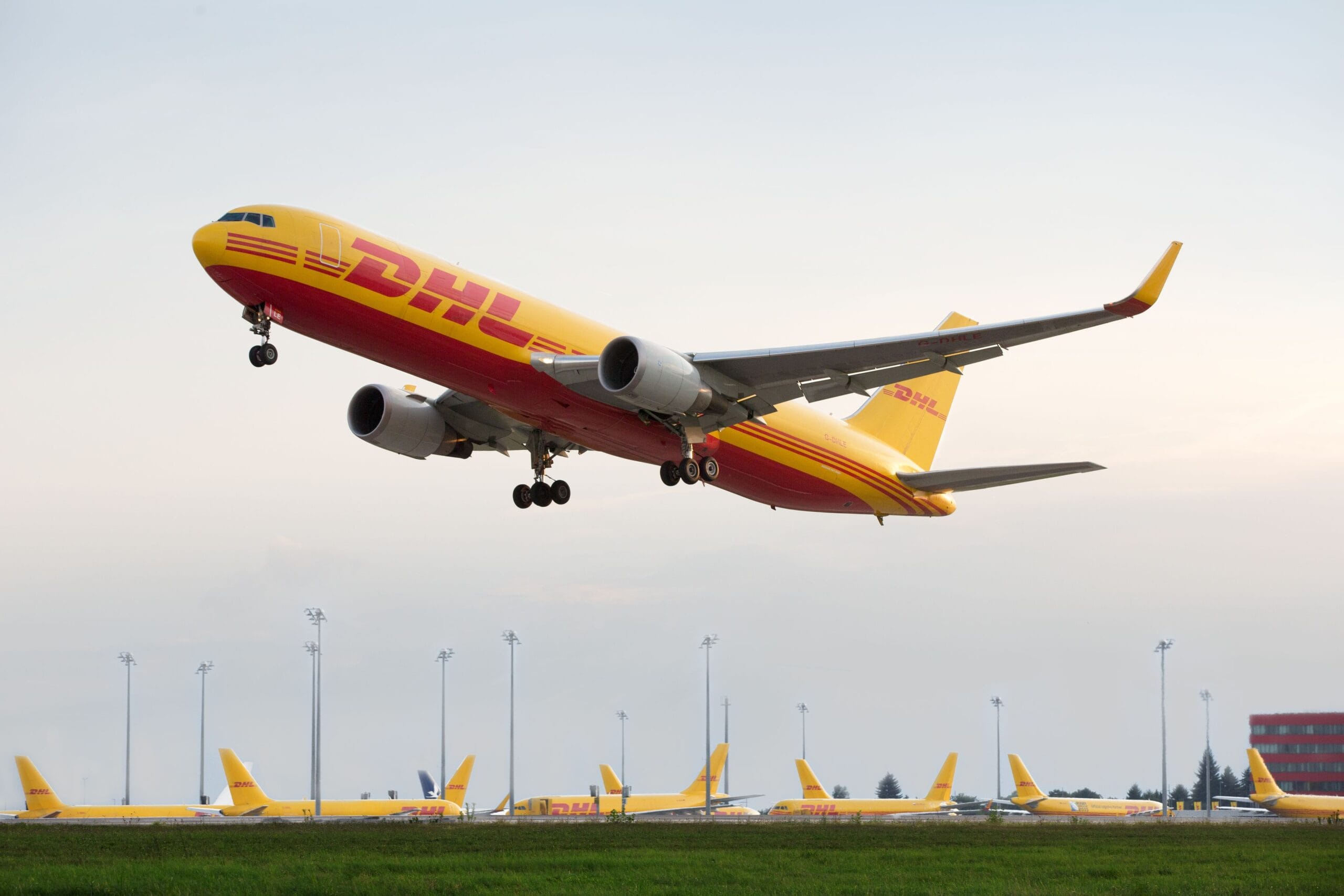
The global logistics and aviation sectors are at the forefront of the energy transition, facing intense pressure to decarbonize their operations. A significant development underscoring this commitment comes from a renewed strategic partnership between DHL Global Forwarding and Air France KLM Martinair Cargo. This collaboration, centered on sustainable aviation fuel (SAF) procurement and a pioneering “book and claim” model, signals a pivotal shift in how major players are tackling aviation emissions. For oil and gas investors, this isn’t just a corporate sustainability headline; it’s a clear indicator of evolving demand patterns, emerging market structures, and the long-term strategic direction of a critical energy-consuming sector, offering both challenges and substantial opportunities in the burgeoning low-carbon fuel economy.
The Strategic Imperative for Air Freight Decarbonization
The expanded partnership between DHL Global Forwarding and Air France KLM Martinair Cargo represents a significant milestone in the decarbonization of air freight. Moving beyond ad-hoc fuel purchases, this long-term framework agreement solidifies a structured approach to verifiable emission reduction rights. DHL Global Forwarding has committed to 35,000 metric tons of well-to-wheel CO2e emission reduction rights, a substantial figure that directly supports DHL Group’s ambitious target of achieving 30 percent sustainable aviation fuel use by 2030. This isn’t merely about environmental stewardship; it’s about establishing a predictable and scalable pathway for SAF adoption, which is crucial for multinational shippers navigating complex global supply chains. The shift from transactional fuel buys to a system of verifiable reduction rights provides greater transparency and credibility for corporate climate reporting, an increasingly vital component for attracting and retaining environmentally conscious clients and investors alike. For energy companies, this signals a growing, structured demand for SAF, pushing producers to scale up capacity and develop more efficient, cost-effective production methods.
Navigating Volatility: SAF’s Resilience Amidst Crude Swings
The strategic push for sustainable aviation fuel stands in stark contrast to the immediate volatility gripping the traditional crude oil markets. As of today, Brent Crude trades at $91.87, representing a sharp 7.57% decline, with its daily range spanning $86.08 to $98.97. WTI Crude mirrors this downturn, currently at $84, down 7.86% from its opening, having traded between $78.97 and $90.34. Gasoline prices have also dipped, now at $2.95, a 4.85% drop. This daily price action follows a broader trend: Brent has shed $20.91, or 18.5%, over the past 14 days, falling from $112.78 on March 30th. While these significant price corrections in fossil fuels grab immediate attention and impact quarterly earnings for many oil and gas entities, they underscore the strategic foresight of companies like DHL and Air France-KLM. Their commitment to SAF, despite short-term crude price fluctuations, highlights an undeniable long-term trend: decarbonization is a persistent, structural force that will continue to drive investment and reshape demand regardless of temporary market headwinds for conventional fuels. Investors must differentiate between cyclical commodity price movements and secular shifts in energy demand driven by corporate and regulatory mandates.
Book and Claim: A Catalyst for Scalability and Investment
The cornerstone of this expanded partnership is the sophisticated “book and claim” model, a mechanism that promises to unlock significant scalability for SAF adoption. In essence, it decouples the physical delivery of SAF from the environmental benefits associated with its use. This means that an airline can purchase SAF in one region where it is readily available, and the emission reduction credits can be claimed for flights operating elsewhere, even if those specific flights use conventional jet fuel. This approach is critical in a nascent SAF market where physical access and supply remain uneven across airports and regions. For investors, the “book and claim” model creates a new layer of market infrastructure. It fosters opportunities in SAF production, but also in verification technologies, carbon accounting platforms, and potentially a standardized market for SAF emission reduction rights. As the industry moves towards greater transparency and standardized emissions accounting, companies that can credibly verify and manage these “rights” will gain a significant competitive edge. This model provides predictability and transparency, which are critical factors for attracting the substantial capital investment needed to scale SAF production globally.
What Investors Are Asking: A Dual Focus on Present and Future Energy
Our proprietary reader intent data reveals a fascinating dichotomy in investor sentiment this week. While the DHL-AFKLM partnership signals a clear future for energy demand, many investors remain acutely focused on the immediate drivers of traditional oil markets. Questions like “How well do you think Repsol will end in April 2026?” and “What do you predict the price of oil per barrel will be by end of 2026?” highlight the enduring significance of conventional crude price forecasts. Similarly, queries around “What are OPEC+ current production quotas?” demonstrate a deep-seated interest in the supply-side dynamics that have historically dictated market movements. This indicates that while the energy transition is underway, the bedrock of oil and gas investing still revolves around core fundamentals. However, smart investors are increasingly asking how new data sources and AI tools, such as “EnerGPT,” can provide an edge, signaling a growing appetite for sophisticated analysis that can bridge the gap between traditional and emerging energy markets. The strategic moves in SAF, therefore, should be viewed as a crucial long-term hedge and growth vector for diversified energy portfolios, offering a different kind of stability than that derived from OPEC+ decisions.
Ahead of the Curve: SAF Dynamics and Upcoming Market Signals
Looking forward, the momentum behind SAF adoption, as exemplified by the DHL-AFKLM agreement, will continue to gain traction, albeit on a different timeline than the immediate catalysts of the traditional oil market. While the upcoming OPEC+ Ministerial Meeting tomorrow, April 18th, will undoubtedly set the tone for crude prices in the short to medium term, and subsequent API and EIA Weekly Petroleum Status Reports on April 21st/22nd and April 28th/29th will provide critical inventory insights, these events primarily address the conventional supply-demand balance. The Baker Hughes Rig Count reports on April 24th and May 1st will further inform upstream activity. In contrast, the strategic agreements driving SAF adoption, such as this one, represent a long-term, structural shift. They provide a different kind of market signal: a predictable, growing demand curve for alternative fuels. For investors, understanding these dual timelines is paramount. While short-term tactical plays will hinge on OPEC+ decisions and inventory data, long-term strategic positioning demands an appreciation for the accelerating commitments to decarbonization and the subsequent investment opportunities in SAF production, infrastructure, and the innovative market mechanisms like “book and claim” that are essential for scaling a new energy economy.


