Devon Energy’s Strategic Leap into Global LNG: A Blueprint for U.S. Gas Producers
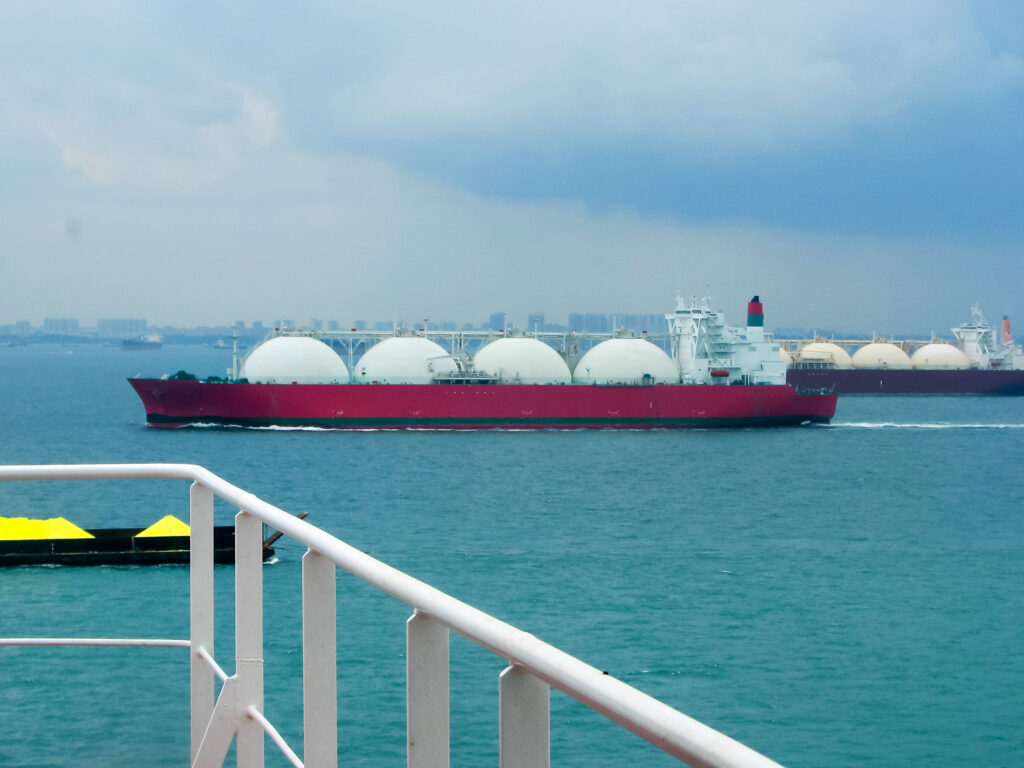
Devon Energy has made a significant strategic move, securing a 10-year natural gas supply agreement with the UK’s Centrica, owner of British Gas, to deliver LNG volumes starting in 2028. This deal, involving 50,000 MMBtu per day of natural gas indexed to the European TTF hub price, signals a clear direction for U.S. shale producers: diversify exposure, secure long-term demand, and tap into the robust international LNG market. For investors, this agreement offers a compelling case study in how upstream companies are navigating energy transition dynamics and seeking stability amidst evolving global demand patterns. It underscores a crucial shift from purely domestic price exposure to a more integrated global energy strategy.
De-Risking Gas Portfolios: Devon’s TTF-Indexed Advantage
The core of Devon Energy’s recent agreement lies in its structure: a decade-long commitment to supply 50,000 MMBtu/d of natural gas, commencing in 2028, with pricing directly tied to the European Title Transfer Facility (TTF) hub. This indexing is a critical component for Devon, effectively providing direct exposure to European gas prices rather than solely relying on domestic benchmarks like Henry Hub. For a U.S. producer, this offers a dual benefit: de-risking against potential domestic oversupply scenarios and capturing the often-higher premiums of the European market, particularly given ongoing energy security concerns in the region. This move mirrors Centrica’s own strategy, which aims to manage market price risk in its LNG portfolio by aligning feed gas pricing with European gas prices. It’s a symbiotic relationship that provides Devon with predictable, long-term revenue streams and Centrica with secured, competitively indexed supply for its LNG business. The physical optimization of these volumes by Centrica Energy’s U.S. subsidiary further streamlines the logistical aspects, ensuring efficient delivery to market.
Global LNG Dynamics and Shifting Investor Focus
The Devon-Centrica agreement is not an isolated event but rather indicative of a broader trend shaping the global natural gas market. With Europe consistently seeking to diversify its energy supply post-2022, long-term LNG contracts from reliable U.S. producers have become highly coveted. This interconnectedness of global gas markets means that what drives Asian LNG spot prices, a frequent question from our readers this week, is fundamentally linked to European demand and U.S. supply capabilities. While our proprietary data shows Brent crude trading at $98.2 per barrel today, up 3.44% within a day range of $94.42-$99.84, it’s important to remember that natural gas markets, while influenced by crude, have their own distinct supply-demand fundamentals. The recent 14-day trend for Brent, which saw a decline from $108.01 to $94.58, underscores the volatility inherent in energy commodities. In such an environment, long-term, indexed gas contracts provide a valuable hedge and stability. Investors are increasingly looking beyond immediate crude price fluctuations to understand the nuanced drivers of regional gas markets and the strategic positioning of companies like Devon within them.
Forward-Looking Catalysts and Long-Term Value Creation
With the Devon-Centrica deal kicking off in 2028, the long-term investment horizon is clear. However, investors must still monitor near-term market signals that shape the underlying supply-demand dynamics for natural gas. Upcoming events on our proprietary calendar provide crucial insights. For instance, the Baker Hughes Rig Count reports on April 17th and April 24th will offer real-time indicators of U.S. drilling activity and potential future gas production trends. Similarly, the EIA Weekly Petroleum Status Reports on April 22nd and April 29th, while primarily crude-focused, often contain valuable data on natural gas storage and consumption patterns that can influence domestic and, by extension, international gas pricing. These weekly snapshots, combined with broader industry trends, help paint a picture of the future supply landscape that will feed these long-term LNG agreements. While some investors are asking for a base-case Brent price forecast for next quarter, the discerning gas investor will be keen to develop similar robust forecasts for TTF and other international gas benchmarks, directly impacting the profitability of deals like Devon’s. These forward-looking analyses are essential for understanding the long-term value creation potential from such strategic contracts.
Investor Implications: Stability, Growth, and Strategic Alignment
For Devon Energy investors, this Centrica deal translates into several key advantages. First, it offers enhanced revenue predictability and stability through a long-term contract tied to a premium international market. Second, it diversifies Devon’s market exposure, reducing reliance on potentially volatile domestic gas prices. Third, it aligns Devon with the global energy transition narrative, positioning natural gas as an essential transition fuel, a sentiment echoed by Centrica’s CEO. This isn’t Centrica’s first rodeo; they inked a similar deal with Coterra Energy for 100,000 MMBtu/d last year, also starting in 2028 and linked to European gas prices. Centrica’s recent partnership to acquire the UK’s largest LNG import terminal at the Isle of Grain for $2 billion further solidifies its commitment to securing supply and infrastructure. For investors examining U.S. upstream players, these types of long-duration, internationally indexed contracts with robust partners like Centrica represent a compelling blueprint for strategic growth and sustained value creation in a complex and evolving global energy landscape. Companies demonstrating this foresight and execution are likely to capture significant investor attention.