Global investors often overlook the bedrock of our food system: soil. Yet, recent assessments reveal alarming rates of soil degradation across Europe, transforming a seemingly environmental concern into a profound economic catalyst. Over 60% of agricultural lands in the European Union, alongside approximately 40% in Britain, now suffer from significant degradation. This isn’t merely an ecological challenge; it’s a macro-economic driver spelling increased demand for crucial agricultural inputs, particularly fertilizers, and by extension, bolstering the outlook for natural gas. Understanding this intricate nexus is vital for strategic energy and commodity investment decisions.
Degraded Soils: A Vicious Cycle for Water Management
The core issue lies in the loss of natural structure within degraded soils, severely impairing their ability to absorb and retain water. This disruption creates a dangerous feedback loop, intensifying the impacts of climate extremes. During periods of heavy rainfall, water runoff increases dramatically, exacerbating flooding events – a reality starkly witnessed in Spain, Italy, and Germany during 2023-2024. Conversely, these impoverished soils offer minimal resilience during droughts, unable to act as the natural sponges healthy soils would be.
The consequences for water security are already palpable across the continent. A third of the EU’s population and 40% of its land experienced water scarcity in 2022. France has seen its groundwater levels plummet by a third, and despite record rainfall last year, the UK faces a probable drought this year. Looking ahead, the United Nations projects that nearly half of the global urban population, roughly 2.4 billion people, will contend with water scarcity by 2050. This escalating water crisis represents a critical risk factor for global stability and economic output, with direct implications for agricultural productivity and subsequent energy demand.
Food Security, Commodity Prices, and the Carbon Link
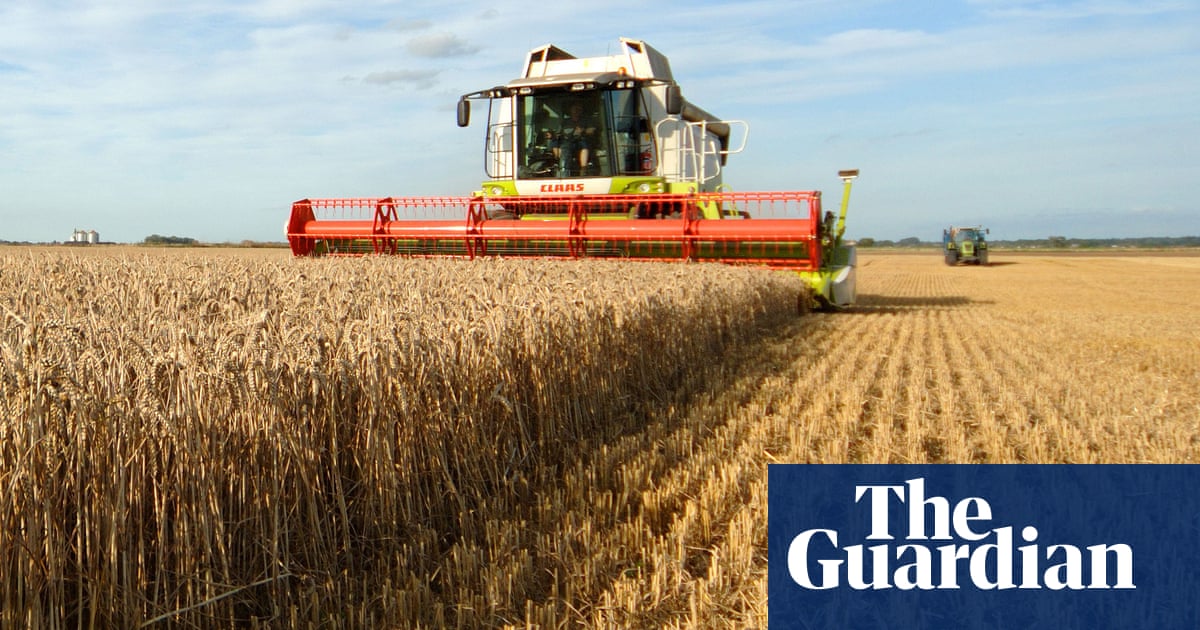
The primary and most immediate impact of widespread soil degradation manifests in agricultural productivity. Reduced soil fertility directly translates to lower crop yields and increased vulnerability to weather shocks, creating an undeniable trajectory towards food shortages and inflationary pressures on global commodity markets. Consumers are already observing price hikes in climate-sensitive goods like coffee and chocolate, offering a glimpse into future trends.
Compounding this challenge, a UN study last year highlighted that excessive salt contamination has already diminished the fertility of at least 10% of the world’s land, with an additional 1 billion hectares currently under threat. Beyond immediate agricultural concerns, healthy soils are crucial natural carbon sinks, offering a mechanism to mitigate atmospheric carbon levels. Their degradation, therefore, carries a dual negative impact, reducing food capacity while simultaneously hindering natural climate solutions.
The Fertilizer Imperative: A Growing Demand Driver
Addressing pervasive soil degradation demands urgent action. While various initiatives advocate for soil restoration to become a priority in climate programs and agricultural policies, embracing regenerative farming practices offers a sustainable long-term pathway. However, the immediate reality is that compromised soils worldwide require external inputs to maintain crop viability and sustain global food supplies. This critical need translates directly into an escalating demand for agricultural fertilizers.
Fertilizers, particularly nitrogen-based varieties, are indispensable for replenishing vital nutrients in depleted soils and boosting yields in stressed agricultural systems. Investors should recognize this accelerating requirement as a fundamental and persistent driver for the global fertilizer market. As agricultural regions grapple with diminishing soil health and the imperative to sustain food production for a growing global population, the reliance on these crucial inputs will only intensify.
Natural Gas: The Unseen Pillar of Global Agriculture
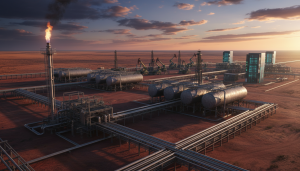
The surge in fertilizer demand has profound and direct implications for the energy sector, specifically natural gas. Natural gas serves as the primary feedstock for producing ammonia, which is the foundational component of most nitrogen fertilizers. The Haber-Bosch process, central to ammonia synthesis, is an energy-intensive industrial operation that predominantly relies on natural gas as its main energy source and hydrogen feedstock.
Therefore, an increased global need for fertilizers directly translates into a heightened industrial demand for natural gas. This connection establishes a compelling investment case for natural gas producers and infrastructure providers, positioning them as critical enablers of global food security. The dynamics extend beyond traditional energy demand forecasts, linking the impacts of the climate crisis directly to fossil fuel consumption through the agricultural supply chain. As food security remains a paramount global concern, the underlying demand for natural gas in fertilizer production is poised for structural growth.
Investment Landscape and Future Outlook
For investors in the oil and gas sector, particularly those focused on natural gas, the implications are clear: persistent and widespread soil degradation acts as a potent, long-term demand stimulant. Companies involved in natural gas extraction, processing, and distribution stand to benefit from this entrenched agricultural requirement. Similarly, fertilizer manufacturers, especially those with integrated natural gas supply chains or favorable long-term gas contracts, present attractive investment opportunities as critical links in the food supply chain.
The global push for food security, exacerbated by environmental challenges like water scarcity and soil degradation, creates a non-discretionary demand for agricultural inputs that natural gas fundamentally underpins. While the long-term vision certainly includes regenerative practices that aim to reduce reliance on synthetic inputs, the sheer scale of current soil degradation suggests a protracted period of elevated fertilizer – and consequently, natural gas – demand. This scenario intricately intertwines climate crisis impacts with energy market fundamentals in an unexpected, yet profoundly significant, manner.
Conclusion: Soil Health as a Macro-Economic Indicator
The silent crisis of soil degradation is rapidly emerging as a powerful force reshaping global agricultural and energy markets. From exacerbating climate extremes to driving up food prices, its ripple effects are undeniable and far-reaching. Crucially for investors, the immediate response to this escalating challenge involves a heightened and sustained reliance on fertilizers, which in turn fuels structural demand for natural gas.
Strategic foresight demands recognizing these intricate connections. The health of our planet’s soils is not merely an environmental concern; it is a critical determinant of commodity prices, food security, and the future trajectory of the natural gas market. Savvy investors will integrate these macro trends into their portfolios, understanding that the very ground beneath our feet holds significant sway over future returns in both energy and agricultural sectors.