Ocean Darkening: A New Frontier of ESG Risk for Oil & Gas Investors
The vast expanse of the world’s oceans is undergoing a profound and alarming transformation, with significant portions growing darker over the past two decades. This environmental shift, now quantified by scientific research, presents a critical, evolving dimension to environmental, social, and governance (ESG) risk for investors in the hydrocarbon sector. For oil and gas companies, whose operations are often deeply intertwined with marine environments, understanding and mitigating these emerging threats will be paramount to sustaining long-term value and investor confidence.
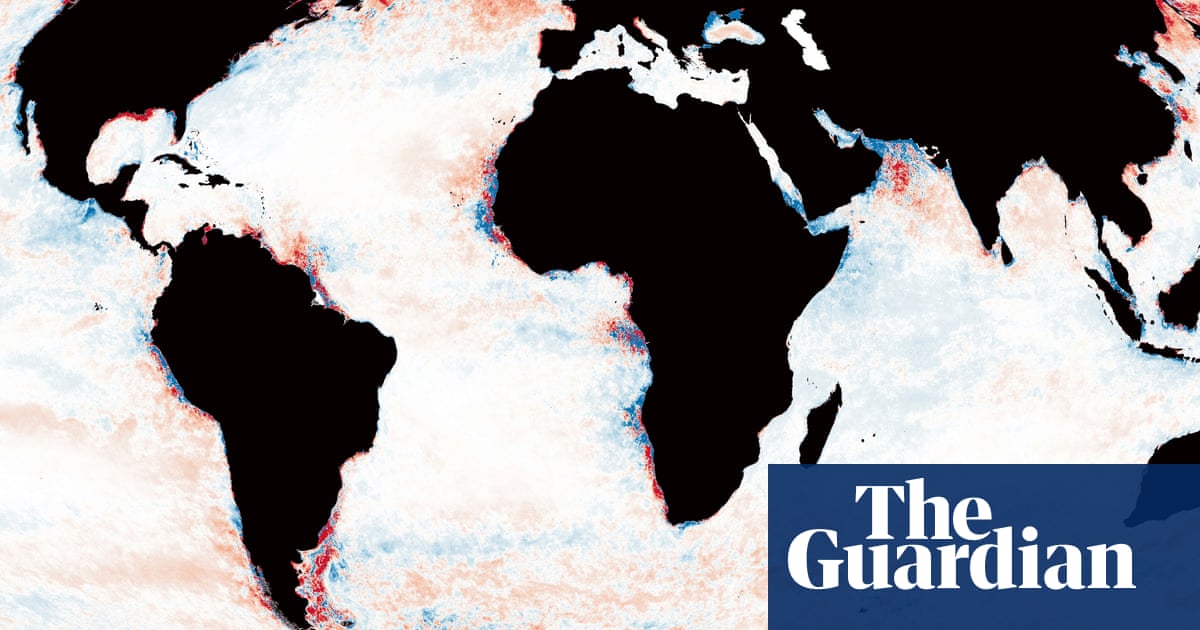
Recent satellite data and advanced numerical modeling reveal that an astonishing 21% of the global ocean experienced a reduction in light penetration between 2003 and 2022. This darkening phenomenon spans an area equivalent to Europe, Africa, China, and North America combined – approximately 75 million square kilometers (30 million square miles). The implications are particularly dire for the upper layers of water, known as the photic zones, where an estimated 90% of marine species thrive and where most marine biological activity occurs.
The Science Behind the Shifting Seas
Marine life, from microscopic organisms to apex predators, relies heavily on light for fundamental biological processes. The photic zone, typically extending down to around 200 meters (though light can technically reach one kilometer), is where sunlight powers photosynthesis by phytoplankton. These minuscule, plant-like organisms form the bedrock of nearly all marine food webs and are responsible for generating almost half of the planet’s oxygen. Their health directly impacts global fisheries, carbon cycling, and nutrient turnover within ocean ecosystems. Research indicates that across 9% of the affected ocean, these vital photic zones have become 50 meters shallower, while in 2.6% of the ocean, the reduction is a more dramatic 100 meters.
Ocean darkening occurs when light struggles to penetrate the water column. Near coastlines, this is often attributed to the influx of nutrients and sediments carried by rainfall from land, or to upwellings of cold, nutrient-rich water. However, the drivers for darkening in the open ocean are more complex and less understood, though global heating and alterations in ocean currents are strongly implicated. Scientists point to areas experiencing significant changes in ocean circulation or warming, such as the Southern Ocean and the Gulf Stream extending past Greenland, as particularly affected regions.
While the overall trend points to darkening, it is important to note the complexity of the ocean’s response. Approximately 10% of the ocean, covering 37 million square kilometers, actually became lighter over the same two-decade period. This nuanced picture underscores the intricate and interconnected dynamics of marine ecosystems, but does not diminish the overall concern for the vast majority of affected waters.
ESG Implications for Oil & Gas Investment
For investors in the oil and gas sector, these findings are not merely environmental curiosities; they represent a tangible and intensifying layer of ESG risk that demands immediate attention. The health of marine ecosystems directly impacts the social license to operate for companies involved in offshore exploration, drilling, production, and transportation. As public awareness and scientific understanding of ocean degradation grow, so too will regulatory scrutiny and investor pressure.
Rising Regulatory and Operational Risks
A deteriorating marine environment could lead to more stringent environmental regulations, extended permitting processes, and increased compliance costs for offshore projects. Governments, compelled by public demand and scientific evidence, may impose stricter limits on discharges, seismic activity, or even outright moratoria in ecologically sensitive areas. Furthermore, damaged ecosystems can lead to operational disruptions. For example, declining fisheries could ignite conflicts with local communities, while altered ocean currents might impact infrastructure or shipping routes. These factors directly translate to higher operational expenditures, project delays, and potentially stranded assets.
Reputational Damage and Investor Sentiment
Companies perceived as contributors to climate change – a key driver of ocean darkening – face significant reputational headwinds. In an era where ESG factors increasingly dictate capital allocation, a poor environmental record can lead to exclusion from major investment funds, higher costs of capital, and a diminished ability to attract talent. Investors are increasingly demanding transparency and demonstrable action on environmental stewardship. Companies that fail to address their climate impact and its consequences on natural capital, such as ocean health, risk losing favor with a growing pool of ESG-conscious investors.
Accelerating the Energy Transition
The darkening oceans serve as another stark reminder of the escalating consequences of climate change, further intensifying the global push towards decarbonization and sustainable energy solutions. For oil and gas companies, this translates into accelerated pressure to diversify portfolios, invest in renewable energy technologies, and significantly reduce their carbon footprint. Hydrocarbon assets, particularly those with long development cycles or high emissions intensity, could see their long-term value eroded as the world pivots away from fossil fuels. Investors must evaluate companies not just on current production and reserves, but on their strategic vision for thriving in a rapidly transitioning energy landscape.
Navigating the Darkening Waters: Investor Due Diligence
Savvy oil and gas investors must integrate these oceanic changes into their due diligence processes. Key areas to scrutinize include:
- Emissions Reduction Targets: Assess the robustness and ambition of a company’s greenhouse gas reduction strategies, particularly Scope 1, 2, and 3 emissions.
- Climate Risk Disclosure: Look for comprehensive reporting aligned with frameworks like the Task Force on Climate-related Financial Disclosures (TCFD).
- Environmental Management Systems: Evaluate the effectiveness of systems in place to minimize operational impact on marine environments.
- Investment in Transition Technologies: Identify companies actively investing in carbon capture, hydrogen, offshore wind, or other low-carbon solutions.
- Community Engagement: Understand how companies interact with and support communities dependent on marine resources.
The darkening of our oceans is a profound indicator of broader environmental distress, posing new and complex risks for the oil and gas sector. For investors, ignoring these signals is no longer an option. A proactive approach to understanding and integrating these ESG factors into investment decisions will be crucial for protecting capital, identifying resilient companies, and navigating the evolving landscape of energy finance.


