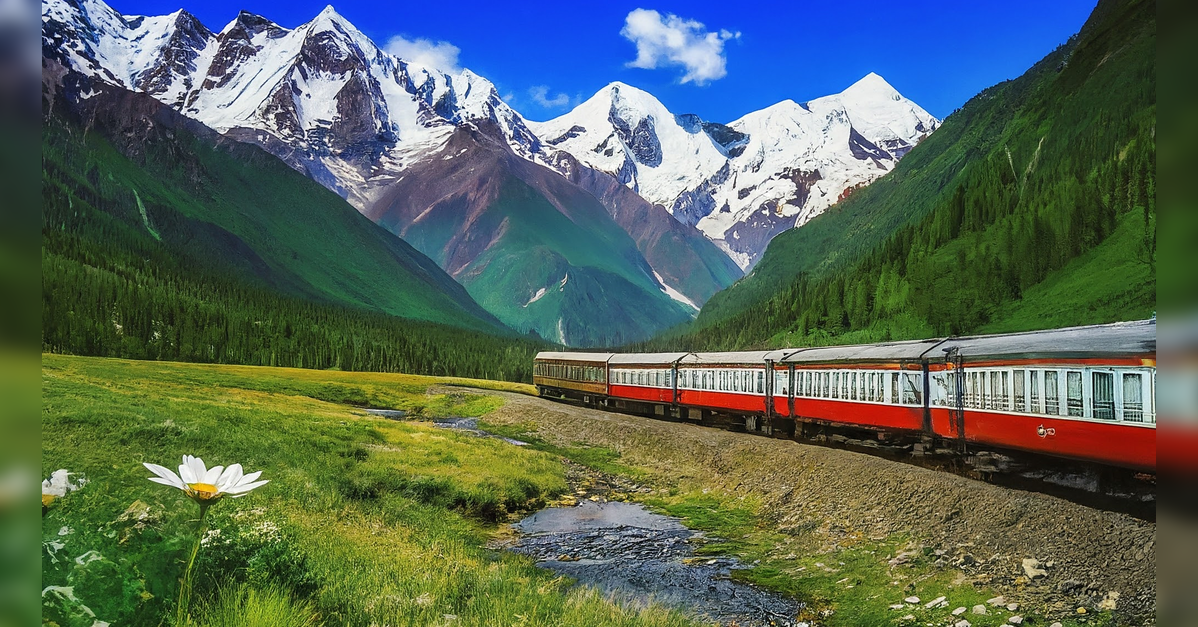
GUWAHATI – August 4, 2025 – A recent operational milestone on India’s iconic Darjeeling Himalayan Railway (DHR) points to a persistent, albeit specialized, demand for diesel fuel within the subcontinent’s vast transportation sector. The Northeast Frontier Railway (NFR) successfully completed final trial runs for a newly acquired NDM-6 Diesel-Hydraulic Locomotive (DSL) designed for this UNESCO World Heritage route, signaling continued investment in diesel-powered infrastructure for specific applications.
The successful test, conducted on the challenging downhill section from Darjeeling to Siliguri with three passenger coaches, follows earlier triumphant uphill trials. This development, while seemingly niche, provides valuable insights for oil and gas investors monitoring regional fuel consumption patterns and the strategic deployment of hydrocarbon-fueled assets in an evolving energy landscape.
Diesel’s Enduring Role in Specialized Rail Operations
The NDM-6 locomotive represents a significant upgrade for the DHR, a narrow-gauge line renowned for its intricate engineering and scenic beauty. Engineered specifically for heritage routes like the DHR, the new unit boasts enhanced safety features and promises superior performance and reliability. Its introduction aims to elevate operational efficiency, ensuring safer and more consistent travel across the picturesque, undulating terrain.
For energy market observers, the immediate takeaway is the confirmed, long-term commitment to diesel as the primary motive power for this critical tourist and heritage railway. Furthermore, the NFR has confirmed the procurement of two additional NDM-6 diesel locomotives, indicating a planned expansion and modernization of the DHR’s fleet, directly translating to a predictable increase in regional diesel consumption. These trials are standard procedure for safety and performance validation before full operational integration, underscoring a methodical approach to infrastructure investment that secures future fuel demand.
Connecting Micro-Demand to Macro-Market Trends
While a handful of locomotives might seem insignificant against India’s massive energy appetite, these micro-investments aggregate into a substantial and resilient demand base for diesel. India’s railway network, one of the largest in the world, remains a significant consumer of diesel, particularly for freight and in regions where electrification is not yet feasible or cost-effective. Heritage lines like the DHR, with their unique operational requirements and terrain, often rely on the robust torque and flexibility that diesel engines provide.
For oil and gas investors, this signifies several key points:
- Persistent Demand Pockets: Even amidst a global push for decarbonization and electrification, specific sectors and geographies will continue to rely heavily on liquid fuels. Identifying these resilient demand pockets is crucial for portfolio diversification and risk management.
- Infrastructure Investment as a Demand Driver: Modernization efforts, such as the NDM-6 procurement, represent capital expenditure that locks in future fuel consumption. Companies involved in manufacturing, operating, or maintaining such assets are indirectly supporting long-term hydrocarbon demand.
- Regional Logistics and Supply Chains: Increased diesel consumption in the Darjeeling region will necessitate robust fuel supply chains, potentially boosting demand for refined product transportation, storage, and distribution services in Northeast India. This creates opportunities for local and regional logistics providers.
Financial Implications for the Oil & Gas Sector
The NDM-6 deployment underscores the continued financial viability of diesel in specialized transportation segments. Refiners, particularly those with strong presences in Asia, can anticipate steady offtake for middle distillates. The improved reliability and efficiency of these new locomotives suggest a more consistent operational schedule, leading to more predictable fuel consumption patterns rather than erratic demand fluctuations.
Investment in modernized diesel technology also reflects a pragmatic approach to balancing heritage preservation with operational sustainability. While “sustainable travel” is often associated with electrification, in contexts like the DHR, modern diesel engines offering lower emissions per ton-mile and enhanced fuel efficiency represent a significant step forward from older, less efficient units. This “smart diesel” approach ensures operational longevity while managing environmental impact, making it a credible pathway for certain sectors.
The Broader Indian Energy Landscape
India’s energy demand continues to expand, driven by economic growth, industrialization, and a burgeoning population. While renewable energy sources are rapidly gaining traction, the sheer scale of the country’s energy needs ensures a foundational role for fossil fuels for the foreseeable future. The railway sector, a backbone of India’s economy, illustrates this duality perfectly.
As the NFR commits to preserving and modernizing heritage railway systems like the DHR, it simultaneously reinforces the operational necessity of reliable power sources. Diesel-hydraulic locomotives, with their proven track record in challenging terrains and their capacity for heavy-duty performance, remain a cost-effective and dependable solution for specific applications. The strategic choice to invest in new diesel rolling stock, rather than attempting an unfeasible electrification of a heritage narrow-gauge line, highlights a practical approach to energy policy that astute investors will recognize.
Investment Outlook: Niche Markets, Consistent Returns
For investors focused on the oil and gas sector, developments like the DHR’s locomotive upgrade serve as a reminder that demand is not monolithic. While global headlines often concentrate on the energy transition, specific, localized investments in infrastructure continue to underpin consistent demand for traditional fuels. These niche markets, characterized by stable operational requirements and long asset lifespans, can offer predictable revenue streams for companies positioned to serve them.
The NFR’s ongoing commitment to the DHR’s modernization, exemplified by the NDM-6 locomotive trials, reinforces the notion that diesel will retain its critical role in key transportation segments. This translates into a positive, albeit incremental, outlook for middle distillate demand in the region, providing a solid foundation for refining margins and fuel distribution networks. Monitoring such regional capital expenditure initiatives offers a granular perspective on the enduring strength of specific hydrocarbon markets.