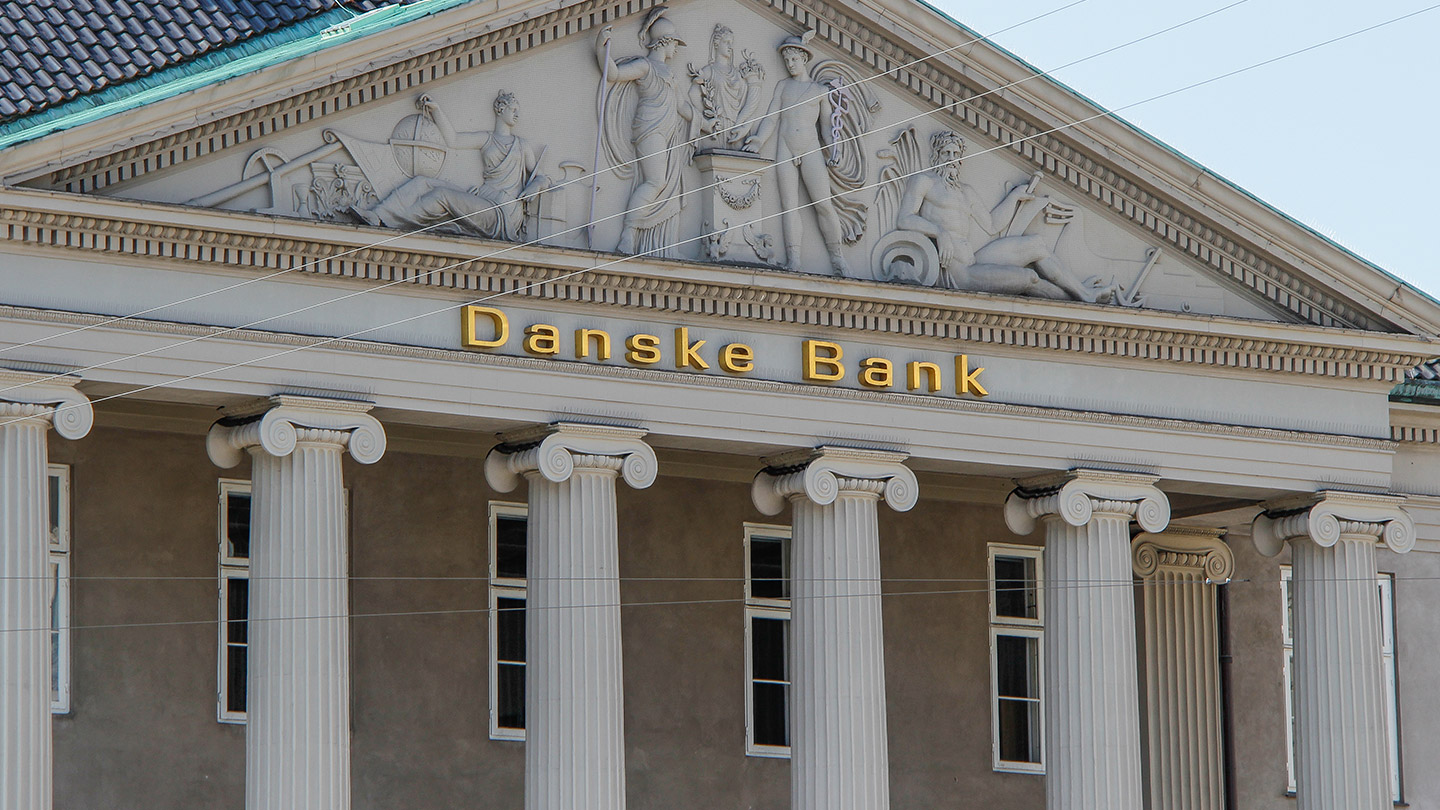
Danske Bank’s Strategic Climate Finance Overhaul: New Capital Dynamics for Energy Transition
A significant strategic pivot by Danske Bank is set to reshape how capital flows into the energy transition, particularly impacting high-emitting sectors and those critical to building low-carbon infrastructure. The Nordic financial giant has announced a fundamental reorientation of its climate finance approach, moving beyond project-specific “green” financing to embrace comprehensive, entity-level assessments of corporate transition plans. This shift, emphasizing long-term systemic impact, has profound implications for companies seeking funding in the evolving energy landscape.
Historically, sustainable finance instruments, such as use-of-proceeds green bonds or sustainability-linked loans, typically tied funding to isolated, predefined green initiatives. While valuable, this approach often overlooked the broader decarbonization journey of an entire enterprise. Danske Bank’s new framework signals a more holistic engagement, focusing on a company’s overarching climate strategy and its credible path to net-zero across its operations.
Samu Slotte, Head of Sustainable Finance at Danske Bank, articulated the rationale behind this strategic evolution. “By evaluating transition plans at the company level, we will be better equipped to support companies in high-emitting sectors with a more strategic, long-term approach to climate transition,” Slotte commented. This underscores a recognition that true decarbonization requires transforming entire business models, not just funding discrete green projects.
Entity-Level Assessment: A Deeper Dive into Decarbonization
This revamped methodology applies to a broad spectrum of industries deemed critical for climate action. This includes traditionally carbon-intensive sectors such as energy (encompassing various segments beyond upstream exploration), steel, cement, and transportation. Crucially, the bank will also extend this comprehensive financing approach to firms that are enabling the low-carbon value chain – from renewable energy developers and smart grid solutions to battery storage innovators and sustainable materials producers. Slotte further noted the “increasing need for facilitating capital to customers in these value chains to support the scaling of technologies and practices that support climate transition.” For investors, this signals a more granular and sophisticated understanding of where capital is most needed to drive meaningful change.
To operationalize this, Danske Bank has developed a new transition risk methodology that categorizes companies into four distinct tiers based on their climate alignment and progress: “transitioned,” “transitioning,” “start of transition,” and “lagging.” Only companies falling into the first three categories will be eligible for this new breed of transition financing. Eligibility will hinge on a dual assessment: the robustness of their net-zero alignment strategy and the credibility of their execution risk – essentially, whether their plans are not only ambitious but also achievable.
Navigating the Short-Term Emission Paradox for Long-Term Impact
A candid acknowledgment accompanies this strategic shift: a broader approach to transition finance may, in the short term, lead to an increase in reported carbon emissions associated with the bank’s financing activities. However, Danske Bank views this as a necessary trade-off for achieving greater systemic impact in the long run. Slotte explained, “In the longer term, we consider our new approach a significant step forward in our ability as a financial institution to support the climate transition of our customers and society.” This perspective highlights a pragmatic understanding that supporting the transformation of carbon-intensive industries might initially involve investments in processes that aren’t immediately carbon-neutral but are vital for future decarbonization. For energy investors, this signals a more realistic and less absolutist view of the energy transition’s financial demands.
This strategic evolution aligns seamlessly with Danske Bank’s established Climate Action Plan. The institution also reconfirmed its unwavering stance against financing new fossil fuel exploration and production. This position is particularly noteworthy, as Danske Bank was a trailblazer among major financial institutions in exiting that specific segment of the fossil fuel industry. This consistency underscores a clear boundary for capital allocation, continuing pressure on upstream oil and gas while potentially opening doors for diversified energy companies or those in midstream and downstream sectors demonstrating robust, verifiable transition plans.
Joachim Alpen, Head of Large Corporates & Institutions, reinforced the bank’s commitment to its clients navigating this complex journey. “When our customers commit themselves to credible, long-term transitions, we commit to support them in managing the short-term challenges,” Alpen emphasized. This statement provides reassurance to corporates, particularly those in high-emitting sectors, that the bank is prepared to be a long-term partner in their decarbonization efforts, offering more than just traditional sustainable finance instruments.
Implications for Energy Investors and Corporate Strategy
Danske Bank’s innovative shift signifies a maturing landscape for sustainable finance. It moves beyond what some critics might label as superficial greenwashing towards a more impactful, company-wide engagement model. For energy sector firms, this redefines the criteria for securing crucial capital. Companies with robust, verifiable net-zero strategies and credible execution plans, even those currently operating in high-emitting segments, may find new avenues for financing their essential transformation. This could accelerate decarbonization efforts across the Nordic corporate landscape and potentially set a new benchmark for global financial institutions, influencing how capital flows into the complex, multi-decade energy transition.
Investors focused on the energy sector should meticulously evaluate this model. The emphasis on entity-level transition plans and a nuanced risk assessment offers a more sophisticated framework for identifying truly sustainable investments. It suggests that financial institutions are increasingly willing to partner with companies committed to deep, systemic change, even if that journey is protracted and complex. This could unlock significant capital for industrial decarbonization, renewable energy integration, and other critical infrastructure projects, ultimately reshaping the financial landscape for climate-aligned investments globally.