The global energy landscape is in constant flux, driven by geopolitical tensions, technological advancements, and an accelerating shift towards sustainability. While the headlines often focus on upstream production, geopolitical supply shocks, or the latest renewable energy projects, a crucial undercurrent shaping future energy demand emanates from seemingly disparate sectors. Today, we turn our analytical lens to DANKEN, a textile manufacturer, not because it drills for oil or refines gasoline, but because its deep commitment to efficiency and low-carbon production offers a powerful microcosm of the broader demand-side pressures facing the traditional oil and gas industry. For astute investors on OilMarketCap.com, understanding these pervasive, cross-industry sustainability trends is paramount to accurately forecasting long-term energy demand and positioning portfolios for resilience.
The Pervasive Impact of Green Manufacturing on Energy Demand
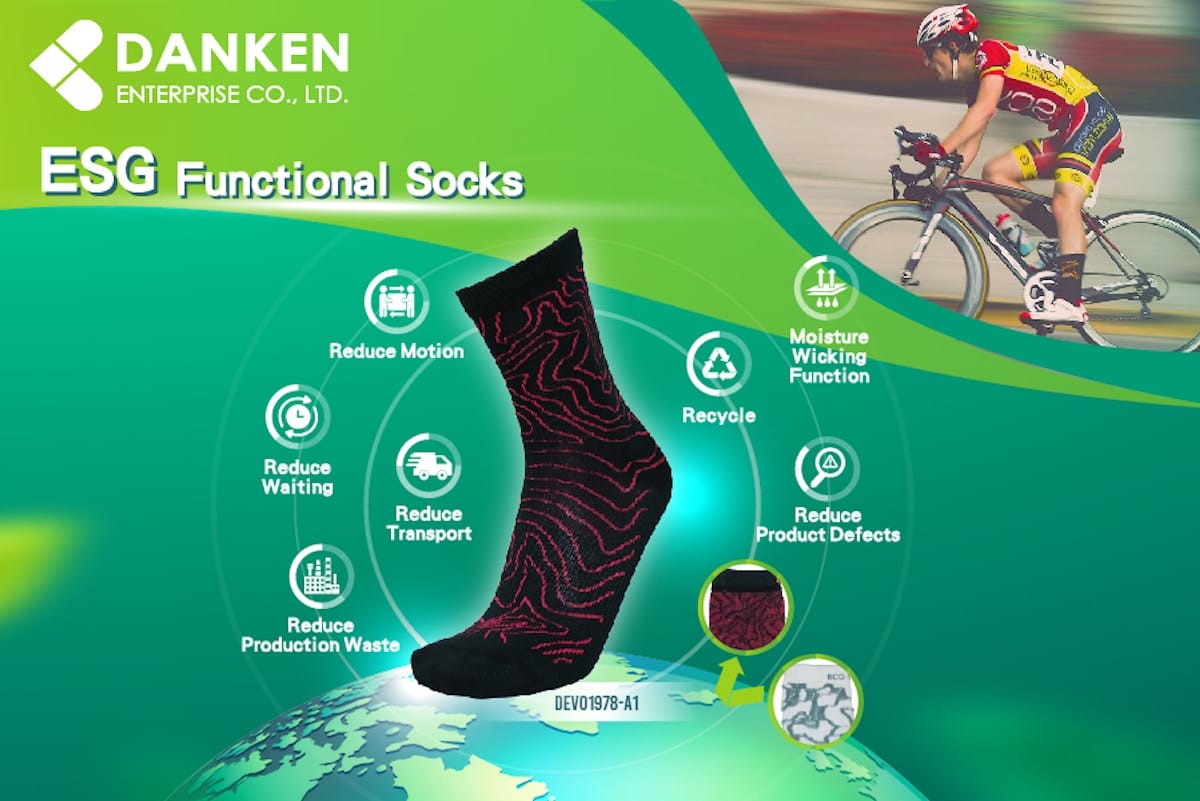
DANKEN, with its nearly 40-year history, exemplifies how innovation in manufacturing directly translates to reduced energy intensity. The company’s development of “one-piece integrated knitting” technology, supported by local supply chain partners in Changhua, has not only streamlined production by eliminating three conventional steps but has also boosted efficiency by at least 19.4%. Furthermore, optimized yarn-saving techniques significantly reduce material waste. These operational improvements are not isolated; they represent a global trend among manufacturers seeking to cut costs and enhance their environmental footprint. When aggregated, such efficiency gains across the industrial sector have a tangible, albeit incremental, impact on overall energy consumption.
Consider the immediate market context: As of today, April 21, 2026, Brent Crude trades at $95.49, having stabilized after a significant 19.8% decline from $118.35 just three weeks ago. WTI Crude mirrors this sentiment at $87.29. This volatility underscores the market’s sensitivity to both supply-side geopolitics and evolving demand narratives. While DANKEN’s innovations might seem distant from the oil patch, their drive for efficiency and reduced carbon footprint is a micro-trend that, aggregated across industries, contributes to the demand-side pressures influencing these very price movements. The adoption of 30% recycled materials in product packaging alone, leading to an over 85% reduction in carbon footprint per pair of socks, signals a broader industry move away from virgin materials, which in turn reduces energy-intensive extraction and processing. These seemingly small shifts accumulate, creating a structural headwind for demand growth in fossil fuels, a critical factor for investors closely monitoring crude prices and future market direction.
Navigating Regulatory Headwinds and the ESG Imperative
The sustainability initiatives undertaken by DANKEN are not merely good corporate citizenship; they are a strategic response to an evolving regulatory and consumer landscape. The European Union’s Eco-design for Sustainable Products Regulation (ESPR), effective July 18, 2024, and its accompanying Digital Product Passport (DPP) system, slated for implementation in 2026, are game-changers for global manufacturers. These regulations mandate transparent disclosure of product information and push for circular economy principles. DANKEN’s proactive strengthening of its capabilities to align with these international standards provides a crucial lesson for the oil and gas sector.
For energy investors, this signals a future where similar stringent regulations on carbon intensity, emissions transparency, and resource efficiency will likely expand to energy-intensive industries. The pressure for ESG (Environmental, Social, and Governance) performance is already immense within the oil and gas sector, with investors increasingly scrutinizing companies’ carbon reduction plans, methane abatement strategies, and broader sustainability commitments. DANKEN’s commitment to social welfare, sponsoring events, and donating socks, further highlights the “S” in ESG, which is gaining prominence alongside environmental concerns. Energy companies that fail to anticipate and adapt to these regulatory and societal shifts risk significant market disadvantage and capital flight, making DANKEN’s preemptive actions a valuable case study in future-proofing a business for a low-carbon economy.
Innovation and the Circular Economy in Energy’s Future
DANKEN’s investment in waste-fiber reutilization technology, transforming production offcuts into high-value recycled yarns, and its ambition for a fully circular textile economy, reflect a fundamental paradigm shift. This relentless pursuit of resource optimization, where waste becomes a resource, has profound implications for the energy sector. Achieving a truly circular economy requires innovative processes that are often energy-efficient or utilize new, lower-carbon energy sources. This mirrors the oil and gas industry’s own efforts in areas like carbon capture, utilization, and storage (CCUS), hydrogen production from various feedstocks, and advanced recycling of petrochemicals to reduce reliance on virgin fossil resources. These innovations require substantial investment but also open new markets and revenue streams for energy companies willing to adapt.
As we look ahead to upcoming energy events, such as the EIA Weekly Petroleum Status Reports on April 22nd and April 29th, and especially the EIA Short-Term Energy Outlook on May 2nd, data on industrial energy consumption will be under intense scrutiny. The cumulative effect of companies like DANKEN adopting circular economy principles – reducing virgin material inputs and optimizing energy use – subtly but consistently shifts the long-term demand curve for traditional energy sources. Investors analyzing these reports should consider how these pervasive sustainability efforts might alter industrial consumption forecasts, impacting everything from natural gas demand for industrial processes to electricity consumption for advanced recycling facilities.
Investor Outlook: Deciphering Macro Trends from Micro Cases
The DANKEN narrative, while rooted in the textile industry, offers a critical lens through which to view the broader energy transition and its implications for oil and gas investing. Many investors are keenly asking about the trajectory of WTI and Brent, pondering whether prices will rise or fall, and what the year-end 2026 outlook holds. The granular innovations seen at DANKEN provide a crucial piece of this complex puzzle. The relentless pursuit of efficiency, waste reduction, and decarbonization across global supply chains creates a structural headwind for demand growth in fossil fuels. This trend, driven by both consumer preference and regulatory mandates, will be a persistent factor influencing long-term energy demand projections.
While geopolitical factors and OPEC+ decisions (like the upcoming JMMC Meeting on April 21st) will undoubtedly dominate short-term price movements and supply stability, long-term investors must factor in the compounding effect of these industrial shifts. Companies that proactively reduce their carbon footprint and embrace circular economy models demonstrate resilience and foresight. For oil and gas portfolios, this means prioritizing companies that are not only efficient in their core operations but are also actively investing in decarbonization technologies, exploring new energy vectors, and adapting to a world where “green growth” increasingly dictates market success. The future of energy demand will be shaped as much by the manufacturing floor of a sock company as it is by the decisions made in Riyadh or Washington. Astute investors will recognize these interconnected dynamics.


