Cybertruck Window Fail Sparks EV Quality Concerns
In the high-stakes world of automotive innovation and energy transition, even the most ambitious projects can encounter unexpected hurdles. Investors closely monitoring the evolving landscape of global energy demand and supply understand that the shift towards electric vehicles (EVs) is a complex journey, fraught with engineering challenges and manufacturing complexities. A widely publicized incident during the 2019 unveiling of a highly anticipated electric pickup truck serves as a stark reminder that pioneering new technologies often comes with significant, and sometimes embarrassing, setbacks. This event, while seemingly a minor product demonstration gone awry, offers valuable insights for oil and gas investors assessing the pace and feasibility of the broader energy transition.
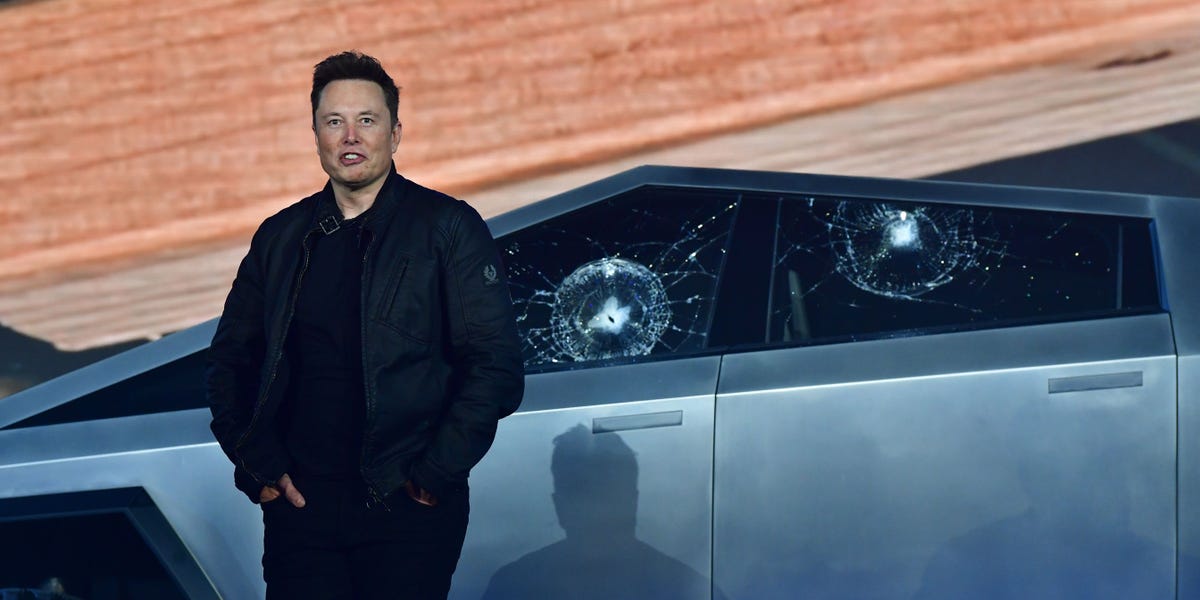
The incident unfolded dramatically on stage when the chief designer of the revolutionary vehicle, Franz von Holzhausen, attempted to showcase the durability of its armored glass windows. Standing alongside the company’s CEO, Elon Musk, von Holzhausen hurled a metal ball at the vehicle’s windows. Contrary to expectations, the windows instantly fractured, creating an awkward silence and a viral moment that reverberated across global media. This public misstep, though presented by the company as an unforeseen anomaly, highlights the inherent difficulties in scaling innovative designs from concept to reliable mass production, a factor that directly impacts the timeline for widespread EV adoption and, by extension, sustained demand for traditional hydrocarbons.
The Unveiling Debacle: A Closer Look at the Engineering Reality
The chief designer later reflected on the incident, revealing that extensive testing had been conducted prior to the live demonstration. He stated in an interview that the armored glass windows had successfully withstood similar impacts “multiple times right before we went live on the stage.” This admission suggests that the live failure was an isolated occurrence, perhaps attributable to what he termed “Murphy’s Law” – a moment when something unexpected and unfortunate happens. However, for investors, such public demonstrations, especially from companies known for pushing technological boundaries, serve as crucial indicators of product maturity and manufacturing consistency. Even a single, high-profile failure can erode consumer confidence and complicate market penetration efforts for an entire segment.
Despite the initial shock, the company, known for its unconventional marketing strategies, swiftly leveraged the incident. The designer noted it “turned into a great marketing moment,” even leading to the sale of $45 T-shirts featuring a graphic of the shattered window. While this demonstrates astute crisis management and brand resilience, it doesn’t diminish the underlying technical challenge. The CEO later offered a technical explanation via social media, clarifying that a preceding sledgehammer impact on the vehicle’s door had likely compromised the base of the glass, leading to the subsequent shattering when the metal ball was thrown. He surmised that reversing the sequence – testing the window first, then the door – would have yielded a different result. This explanation underscores the intricate interplay of material science, structural integrity, and manufacturing processes that define the cutting edge of automotive engineering.
Implications for Hydrocarbon Demand and the Energy Transition
For oil and gas investors, the Cybertruck window incident, while specific to a single EV manufacturer, offers broader insights into the pace and challenges of the energy transition. The narrative often suggests a rapid, linear shift away from fossil fuels, driven by technological leaps. However, events like this remind us that innovation is messy. The complexities of developing, manufacturing, and mass-producing vehicles with entirely new material compositions and structural designs are immense. Quality control, supply chain robustness, and manufacturing consistency remain significant hurdles for the EV sector, especially as production scales globally.
These manufacturing complexities can lead to production delays, cost overruns, and slower-than-anticipated market penetration for EVs. If even a leading innovator faces such public quality control issues, it signals potential systemic challenges for the broader EV industry. Such setbacks can temper the most aggressive timelines for the displacement of internal combustion engine (ICE) vehicles, thereby sustaining demand for petroleum products for longer than some models project. This sustained demand directly impacts the investment thesis for oil and gas companies, reinforcing the importance of continued capital allocation to conventional energy projects to meet global needs.
Capital Allocation and Investor Strategy in a Dynamic Energy Landscape
The saga surrounding the electric truck’s windows also highlights the significant capital expenditure required to bring revolutionary EV products to market and achieve scale. Manufacturing advanced materials, establishing new production lines, and ensuring consistent quality demands immense investment. When these investments face public setbacks or reveal underlying manufacturing fragility, it can influence capital flows across the entire energy sector. Investors might reassess the risk-reward profile of aggressive EV plays versus more established, cash-generative traditional energy assets.
For shrewd oil and gas investors, this incident underscores several key principles: the importance of diversified portfolios, realistic expectations regarding the speed of technological disruption, and the enduring value of assets that reliably meet existing energy demands. While the long-term trajectory towards cleaner energy sources is undeniable, the path is rarely smooth. Manufacturing prowess, supply chain resilience, and the ability to consistently deliver quality at scale are as critical as the initial innovation itself. These factors directly influence the timeline for peak oil demand and the sustained profitability of hydrocarbon exploration and production.
Ultimately, the Cybertruck window failure transcends a simple product recall; it serves as a tangible data point in the ongoing narrative of the energy transition. It reminds us that fundamental engineering and manufacturing challenges persist, even for industry pioneers. For oil and gas investors, this translates into a reinforcement of the argument for a nuanced, long-term perspective on energy markets, acknowledging that while new technologies are emerging, the established energy infrastructure will continue to play a pivotal role for the foreseeable future, underpinned by the very real complexities of global manufacturing and market adoption.