The Geopolitical Chess Match Over Venezuelan Oil: Chevron’s License Hangs in the Balance
The global oil market is bracing for a critical decision next Tuesday, April 22nd, as Chevron Corp.’s license to operate in Venezuela is set to expire. This looming deadline has ignited a fierce debate within the U.S. administration, sending conflicting signals that are reverberating through energy markets and the sovereign bond sector. The uncertainty surrounding this crucial authorization underscores the delicate balance between geopolitical leverage, energy security, and the operational realities for major international oil companies. For investors, understanding the nuances of this evolving situation is paramount, particularly as it intersects with broader market trends and upcoming supply-side catalysts.
Washington’s Internal Strife and the Impact on Market Sentiment
The past week has seen a remarkable display of internal disagreement within Washington regarding the path forward for Venezuela sanctions. U.S. Secretary of State Marco Rubio’s public assertion that the Chevron license will indeed expire next Tuesday directly contradicts earlier indications from White House special envoy Ric Grenell, who had suggested a 60-day extension was imminent. This public discord highlights a deep-seated tension between hard-line factions advocating for maximum pressure on the Maduro regime and those seeking a more transactional approach, driven by concerns over migration and preventing increased Chinese influence in the region. For investors tracking distressed assets, this uncertainty has been palpable. While Venezuelan defaulted dollar bonds saw some downward movement, sovereign notes maturing in 2031 still hover around 19 cents on the dollar, suggesting the market has not entirely abandoned hope for a future compromise. However, against a backdrop of significant market volatility, where Brent crude currently trades at $90.38, marking a sharp 9.07% decline today, and WTI follows suit at $82.59, down 9.41%, the uncertainty surrounding Venezuelan supply gains magnified importance. This recent downturn, part of a broader 18.5% drop in Brent over the past two weeks from $112.78 to $91.87, underscores how sensitive the market is to any potential supply disruption or geopolitical friction, even from relatively smaller producers.
Chevron’s Indispensable Role and Venezuela’s Production Outlook
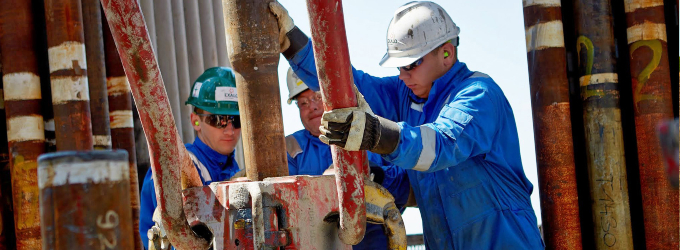
Chevron’s presence in Venezuela is not merely symbolic; it represents a critical lifeline for the nation’s struggling oil sector. The U.S. oil major has been an indispensable player, consistently contributing roughly 20% of Venezuela’s total oil production and facilitating crucial dollar inflows into the South American country. This operational footprint has made Chevron’s license a significant bargaining chip in U.S.-Venezuelan negotiations. Should the license be allowed to expire without an extension, the immediate impact on Venezuela’s already diminished output could be substantial. While Venezuela’s oil production is a fraction of its historical highs, any disruption further strains global supply, especially at a time when market participants are acutely aware of crude price sensitivity. Arguments from figures like Laura Loomer, advocating for Chevron’s continued presence to bolster U.S. energy independence and safeguard American energy jobs, reflect a growing awareness of the strategic importance of this singular operation, far beyond its direct volumetric contribution.
Investor Focus: Supply, Quotas, and Future Price Trajectories
Our proprietary reader intent data reveals a consistent focus among investors on future oil price trajectories and the dynamics of global supply management. Many are actively asking “what do you predict the price of oil per barrel will be by end of 2026?” and delving into “OPEC+ current production quotas.” The potential removal or reduction of Venezuelan barrels, however modest in the global scheme, adds another layer of complexity to these forecasts, particularly when considering the broader implications for global supply balances. Even marginal changes in supply can have disproportionate effects on price, especially in a market already navigating geopolitical tensions and economic uncertainties. While Venezuela’s current output is not a market-mover on the scale of Saudi Arabia or Russia, its disruption would tighten an already constrained market, potentially amplifying upward price pressures in the medium term. Investors are therefore keenly watching for any signs of a definitive decision, understanding that even a small shift in supply can influence overall market sentiment and the profitability outlook for integrated oil and gas companies.
The Week Ahead: Critical Catalysts for Venezuelan Oil and Global Markets
Looking ahead, the next week is fraught with critical catalysts that could redefine the Venezuelan oil landscape and, by extension, influence global energy markets. The immediate focus is on next Tuesday, April 22nd, when Chevron’s current license is slated to expire. This deadline coincides with the EIA Weekly Petroleum Status Report, which will offer a snapshot of U.S. supply and demand, setting the stage for how any Venezuelan disruption might be perceived. Even before that, this weekend’s OPEC+ Joint Ministerial Monitoring Committee (JMMC) and full Ministerial Meetings on April 18th and 19th will be closely watched. Investors are keenly interested in any rhetoric from these meetings regarding global supply management, as any decisions on production quotas could either amplify or mitigate the impact of the Venezuelan situation. Adding another layer of complexity are the Venezuelan local elections scheduled for Sunday, April 20th. These elections are widely expected to further cement President Maduro’s grip on power, potentially influencing his administration’s willingness to negotiate with the U.S. Strategists, like Ramiro Blazquez of StoneX, suggest that the recent developments highlight a willingness by the U.S. to negotiate with Maduro, implying that a compromise or an eventual renewal of the license might still be on the table despite the current hardline rhetoric. For investors, the coming days will be crucial in determining the immediate future of Chevron’s operations in Venezuela and its wider implications for the global energy investment landscape.