Petrochemical Power Play: CPChem Exits Singapore HDPE, ACEPL Eyes Regional Dominance
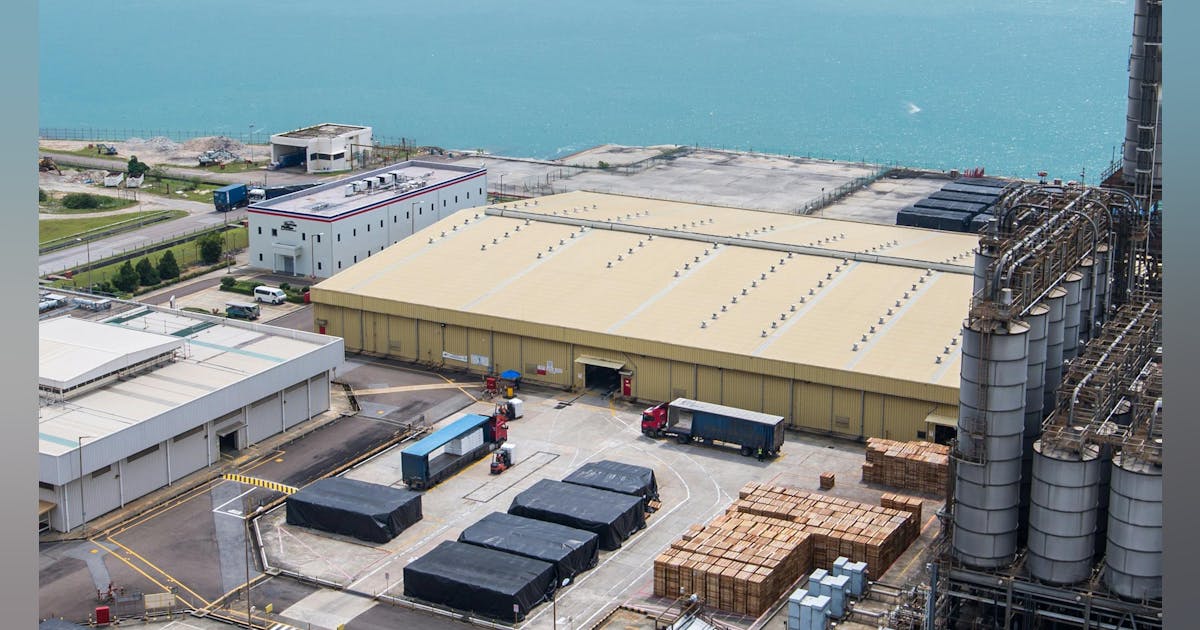
A pivotal transaction is set to redefine the petrochemical landscape across Southeast Asia, as Chevron Phillips Chemical Co. LLC (CPChem), a 50-50 joint venture between Chevron USA Inc. and Phillips 66 Co., alongside its partners EDB Investments Pte. Ltd. and Sumitomo Chemical Co. Ltd., have finalized an agreement to divest their jointly owned Chevron Phillips Singapore Chemicals Pte. Ltd. (CPSC). This significant move sees the sale of CPSC’s state-of-the-art 400,000-tonne/year (tpy) high-density polyethylene (HDPE) complex, strategically located on Singapore’s industrial hub of Jurong Island. For discerning investors closely monitoring global chemical market shifts and corporate portfolio optimization strategies, this deal unequivocally signals a calculated realignment by established industry titans and an aggressive expansion drive from burgeoning regional powerhouses. It’s a compelling narrative of capital redeployment and strategic market capture unfolding in one of the world’s most dynamic economic zones.
Aster Chemicals and Energy Fuels Ambitious Regional Growth
The sales and purchase agreement, officially signed on May 6, confirms that Aster Chemicals and Energy Pte. Ltd. (ACEPL) will assume full 100% ownership of CPSC and its integral production assets. ACEPL itself operates as a formidable joint venture, primarily controlled by Chandra Asri Capital Pte. Ltd. (80%), a subsidiary of the Indonesia-based PT Chandra Asri Pacific Tbk, with the remaining 20% stake held by Glencore Asian Holdings Pte. Ltd., a key division of global commodities giant Glencore PLC. This acquisition represents a bold and decisive maneuver by ACEPL, further consolidating its rapidly expanding footprint within the regional energy and chemicals space. For investors keenly eyeing growth trajectories in the burgeoning Asian petrochemical sector, the combined financial muscle and strategic acumen of Chandra Asri and Glencore behind ACEPL present a compelling investment thesis centered on strategic market penetration and enhanced supply chain integration. The transaction, while pending customary closing conditions, also thoughtfully ensures continuity for the existing workforce, with approximately 150 dedicated CPSC employees expected to seamlessly transition to ACEPL, underscoring a commitment to operational stability and talent retention.
CPChem’s Strategic Re-evaluation: Enhancing Global Competitiveness
For CPChem and its parent companies, Chevron and Phillips 66, this strategic divestment underscores a clear and unwavering imperative: optimizing their extensive global asset portfolio to bolster long-term competitiveness and maximize shareholder value. While this move marks their exit from the direct operation of the HDPE complex in Singapore, CPChem has been quick to emphasize its enduring commitment to the Asia Pacific region. Singapore will firmly retain its crucial role as CPChem’s regional headquarters, serving as a vital hub for orchestrating sales and marketing operations across the entire Asia Pacific landscape. This strategic recalibration empowers CPChem to intelligently reallocate capital and intensely focus on core strengths and more promising growth opportunities elsewhere, thereby ensuring its continued position as a preferred and reliable supplier to its diverse global customer base. Astute investors should interpret this as a proactive and disciplined measure by a major industry player to streamline operations, enhance capital efficiency, and sharpen its strategic focus in a perpetually dynamic and evolving global chemical market. Such moves are often precursors to unlocking greater shareholder value through a more concentrated and efficient deployment of resources.
ACEPL’s Vision: Cultivating a Leading Regional Energy and Chemicals Hub
The seamless integration of CPSC’s significant 400,000 tpy HDPE manufacturing capabilities into ACEPL’s burgeoning portfolio marks another critical and deliberate step in establishing its Aster energy and chemicals park (AECP) as a dominant and indispensable regional supplier. This strategic acquisition follows ACEPL’s broader vision of creating a vertically integrated and highly efficient petrochemical ecosystem, designed to serve the escalating demand for polymers and other vital chemical products across Southeast Asia. The synergy between Chandra Asri’s deep expertise in Indonesian petrochemicals and Glencore’s unparalleled global trading and logistics network positions ACEPL uniquely to optimize supply chains, enhance market access, and drive economies of scale. Investors should recognize this transaction not merely as an asset transfer but as a foundational building block in ACEPL’s ambitious strategy to consolidate its position as a leading regional producer, offering a robust and diversified product portfolio. The ability to control key production assets like the Jurong Island HDPE complex grants ACEPL significant leverage in meeting the growing demands of industrial and consumer markets, particularly within the fast-growing economies of ASEAN.
Broader Market Implications and Investor Outlook
This high-profile divestment and acquisition reverberates far beyond the immediate parties involved, sending clear signals across the global petrochemical investment landscape. For the broader industry, it signifies the ongoing strategic re-evaluation by multinational energy majors, often leading to divestitures of mature or non-core assets to focus on higher-growth, higher-margin opportunities, or to align with evolving energy transition mandates. Simultaneously, it highlights the aggressive ascent of regional players like Chandra Asri, empowered by strategic partnerships with global traders such as Glencore, who are keenly seizing opportunities to expand their footprint and exert greater influence over regional supply chains.
Investors holding positions in companies like Chevron and Phillips 66 might see this as a positive step towards greater capital efficiency and a more focused portfolio, potentially leading to improved returns on invested capital. For those eyeing growth in the Asian petrochemical sector, ACEPL, backed by Chandra Asri and Glencore, presents a compelling investment narrative of a rapidly expanding entity poised to capitalize on robust regional demand. The implications for HDPE supply in Southeast Asia are also significant; the transition to ACEPL suggests a continued commitment to maximizing output and optimizing distribution, potentially fostering more competitive pricing and supply security in the region. This transaction ultimately underscores the dynamic nature of the global chemical market, where strategic repositioning and assertive growth strategies are constantly reshaping the competitive terrain and creating new avenues for shareholder value creation.