Europe’s Methane Clampdown Casts Shadow Over US LNG Investment
Europe’s aggressive push to curtail methane emissions is generating significant turbulence for major natural gas importers, potentially complicating the continent’s access to vital liquefied natural gas (LNG) supplies from the United States. This escalating challenge emerges at a critical juncture, as the European Union strives to fortify its energy independence, a strategic imperative further emphasized by calls from influential figures, including former US President Donald Trump, for increased procurement of American fossil fuels.
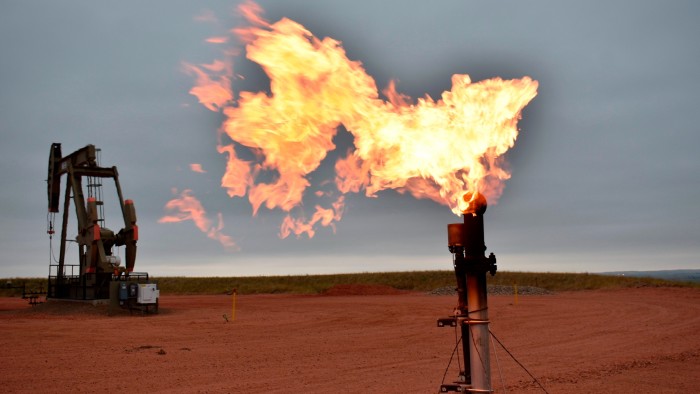
At the heart of this market disruption are stringent new EU regulations, formally adopted in 2024, meticulously designed to drastically reduce methane leaks across the gas infrastructure supply chain. Methane, a potent greenhouse gas, possesses a global warming potential approximately 80 times greater than carbon dioxide over a two-decade span, elevating its mitigation to a top-tier climate policy objective. While addressing these leaks is widely recognized as one of the most economically efficient climate actions available, the practical implementation of these mandates is proving to be a formidable hurdle for the global energy sector and, by extension, for investors.
Decoding Europe’s Stringent Methane Reporting Mandate
Under the newly enacted EU framework, all fuel importers are now legally compelled to rigorously monitor and report their methane emissions. Non-compliance with these exacting requirements carries severe financial repercussions, with potential penalties soaring up to 20 percent of a company’s annual turnover. While the regulations do offer an allowance for “equivalent” standards from exporting nations, very few countries currently operate a methane monitoring and reporting framework that rivals Europe’s strictness. This regulatory chasm leaves numerous international suppliers grappling with the intricate challenge of adapting to these new demands.
For discerning investors, this introduces a novel layer of regulatory risk and elevates compliance costs within the European gas market. Energy companies across the value chain are now preparing for their inaugural reports, which are due in May, signaling an immediate and pressing need for greater clarity and actionable guidelines from Brussels. The ambiguity surrounding these obligations creates uncertainty, directly impacting financial forecasting, operational planning, and ultimately, investor confidence in European energy ventures.
Industry Leaders Signal Looming Supply Disruptions
A consortium of prominent energy companies, including industry titans such as BP, Equinor, and Uniper, has collectively voiced profound concerns to the European Commission. In a recent communication, these firms underscored “unresolved uncertainties” embedded within the current legislation pertaining to importers’ specific reporting obligations. Their apprehensions are far from hypothetical; they assert that these ambiguities are “already disrupting contract negotiations,” a development that could directly undermine Europe’s broader energy security objectives and its efforts to diversify supply.
The industry’s message is unequivocal: without urgent and precise clarification from the Commission, these rules will “further limit Europe’s ability to attract diverse and reliable gas supply.” Such an outcome could have profound implications for the continent’s energy mix, potentially increasing reliance on a narrower set of sources or driving up import costs. For investors, this translates directly into potential volatility, reduced profitability margins, and diminished stability for investments across the energy sector, particularly those tied to gas procurement and distribution.
Geopolitical Stakes and Energy Security Imperatives
The timing of these regulatory complications could not be more critical for global energy markets and geopolitical stability. The EU is actively engaged in crafting a comprehensive strategy to define its energy landscape post-2027. This pivotal period coincides with the European Investment Bank’s (EIB) standing policy, which generally precludes financing for new fossil fuel projects beyond 2021, unless such projects demonstrably contribute to enhancing energy security and reducing reliance on Russian gas. Furthermore, the EU remains steadfast in its commitment to completely phase out Russian gas imports by 2027.
The geopolitical ramifications are significant. Since Russia’s full-scale invasion of Ukraine, US LNG exports have become an indispensable pillar of European energy security, providing a crucial alternative to Russian pipeline gas. The United States has consequently emerged as the world’s largest LNG exporter, with its export capacity projected to double by 2030. Any impediment to this supply chain, therefore, directly threatens Europe’s strategic objectives and investment stability in its energy transition.
The US LNG Role and Regulatory Disparity
The United States’ burgeoning role as a global LNG supplier is now on a collision course with Europe’s stringent methane mandates. While the US Environmental Protection Agency (EPA) has its own Methane Rule, it is generally considered less stringent than the new EU requirements. The US EPA rule targets a 70-80% reduction in methane emissions from oil and gas operations from 2005 levels, a commendable goal but one that may not fully align with the granular reporting and monitoring demanded by Brussels.
American LNG producers and infrastructure developers are keenly aware of this regulatory disparity and express considerable concern. They fear that the EU rules could place them at a competitive disadvantage, potentially diverting European capital and contracts to other, less regulated, gas-producing regions. The US industry has advocated for a “grace period” for compliance, alongside a formal recognition of the substantial efforts already undertaken to curb methane emissions within the US domestic oil and gas sector.
The implications for capital deployment are significant. US LNG projects, which require immense upfront investment, rely heavily on long-term purchase agreements to secure financing. If EU methane rules complicate or delay these critical contracts, it could slow the pace of US capacity expansion, impacting future global gas supply and pricing.
Investment Outlook and Market Dynamics
The current regulatory environment introduces tangible risks for investors holding positions in European energy utilities, gas importers, and US LNG developers. The potential for higher compliance costs, coupled with the risk of supply disruptions and increased reliance on potentially fewer sources, could translate into higher prices for European consumers. This, in turn, could impact demand and profitability for downstream energy companies.
Conversely, for US LNG producers, the lack of clarity could lead to deferred investment decisions and a slowdown in securing the long-term contracts essential for project financing. This creates a challenging landscape where climate ambitions and energy security collide, demanding urgent and pragmatic solutions. Investors must closely monitor the ongoing dialogue between the EU Commission and industry stakeholders, as the outcome will significantly shape the future of trans-Atlantic energy trade and the financial viability of associated infrastructure projects.
Ultimately, the challenge for Europe lies in harmonizing its ambitious climate goals with the imperative of securing diverse and reliable energy supplies. For the global oil and gas investment community, understanding and navigating this complex regulatory terrain will be crucial for managing risk and identifying opportunities in a rapidly evolving energy market.