COP30: The ‘Just Transition’ Narrative and Its Tangible Threat to Oil & Gas Assets
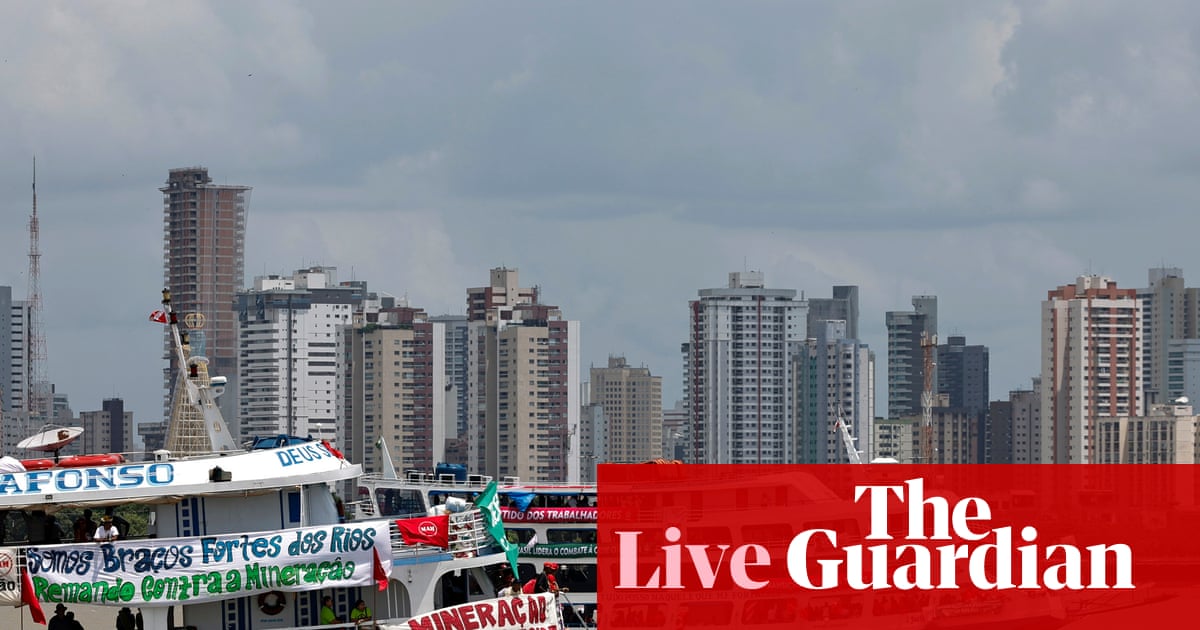
The global energy landscape is undergoing a profound transformation, driven not only by market fundamentals but increasingly by an accelerating climate agenda. The recent COP30 summit in Belém, Brazil, particularly the parallel People’s Summit held from November 12 to 16, served as a potent reminder of the escalating pressures on the oil and gas sector. While official negotiations often focus on national commitments, the People’s Summit, deeply rooted in the Amazon, amplified the voices of indigenous communities advocating for forest protection and against resource extraction. This grassroots activism, underscored by protests and demands for greater inclusion, is a critical component of the ‘just transition’ narrative – a framework that now poses tangible and growing risks to the valuation and operational freedom of oil and gas assets globally, especially in environmentally sensitive regions.
Market Volatility Amidst Deepening ESG Scrutiny
The immediate gyrations of the crude market often overshadow these long-term structural shifts, yet they are increasingly intertwined. As of today, Brent crude trades at $90.38 per barrel, marking a significant 9.07% decline within the day’s trading range of $86.08 to $98.97. WTI crude similarly reflects this bearish sentiment, priced at $82.59, down 9.41% from its open, moving between $78.97 and $90.34. This intraday volatility follows a more concerning trend for investors, with Brent having plummeted nearly 20% over the past 14 days, from $112.78 on March 30 to its current level. While immediate factors like shifting geopolitical supply dynamics or demand concerns typically drive such sharp movements, the underlying sentiment is undoubtedly influenced by the growing ESG framework and the amplified calls for a ‘just transition’ emanating from events like COP30. Companies with significant exploration or production exposure in areas deemed critical for biodiversity, such as the Amazon, will face increasingly stringent capital allocation hurdles and heightened social license risks, impacting their long-term growth prospects regardless of short-term price swings.
Investor Sentiment: Navigating Future Price Trajectories and Policy Risks
Our proprietary reader intent data from OilMarketCap.com underscores the market’s acute focus on future price discovery and the tools needed to navigate such uncertainty. Investors are actively seeking clarity on fundamental questions like ‘is WTI going up or down’ and ‘what do you predict the price of oil per barrel will be by end of 2026?’. These inquiries highlight a deep concern about market directionality, further complicated by the long-term implications of climate policy. The People’s Summit, with its drafting of a letter to COP30 President André Corrêa do Lago and its global march, directly influences the policy landscape by strengthening the hand of regulators and activists pushing for accelerated decarbonization and restrictions on new fossil fuel projects. For companies like Repsol, which some investors are scrutinizing with questions like ‘How well do you think Repsol will end in April 2026’, the ability to demonstrate a credible transition strategy and responsible operational practices in sensitive areas becomes paramount for investor confidence and capital attraction. The era of pure production growth is being supplanted by a mandate for sustainable and socially acceptable growth, making data sources and analytical frameworks that incorporate these evolving risks essential for informed investment decisions.
Upcoming Events: Short-Term Catalysts vs. Long-Term Policy Headwinds
While the long-term policy shifts driven by climate summits gain momentum, the oil and gas market remains acutely sensitive to near-term supply-demand catalysts. The upcoming OPEC+ Joint Ministerial Monitoring Committee (JMMC) Meeting on April 19, followed by the full OPEC+ Ministerial Meeting on April 20, will be critical for determining near-term supply strategy, potentially influencing prices significantly. In rapid succession, the API Weekly Crude Inventory (April 21, April 28) and EIA Weekly Petroleum Status Report (April 22, April 29) will offer crucial insights into U.S. inventory levels, impacting domestic and international benchmarks. Furthermore, the Baker Hughes Rig Count reports on April 24 and May 1 will provide a gauge of future production trajectories. These events offer tactical trading opportunities and immediate market signals. However, investors must not lose sight of the strategic headwinds. The foundational shifts advocated at COP30, especially the indigenous communities’ demands for forest protection and a truly ‘just transition’ that restricts new fossil fuel developments in pristine environments, represent structural challenges that will increasingly influence capital allocation, project approvals, and ultimately, the long-term viability of certain oil and gas assets, irrespective of weekly inventory builds or OPEC+ quotas. The Global March for Climate, planned as the culmination of the People’s Summit, serves as a powerful symbol of this enduring pressure.
Strategic Implications for Oil & Gas Investment
For discerning investors, the message from COP30 and its parallel People’s Summit is clear: environmental and social considerations are no longer ancillary to financial performance; they are integral. Companies that proactively integrate ‘just transition’ principles into their strategies, prioritizing local community engagement, environmental stewardship, and a credible path to lower-carbon operations, will be better positioned to attract capital and maintain their social license. This means scrutinizing new exploration projects, especially those in highly biodiverse or indigenous-held territories, for their long-term viability against an intensifying regulatory and activist backdrop. Conversely, opportunities may arise in companies demonstrating leadership in carbon capture, methane abatement, or diversification into renewable energy, offering a hedge against the inevitable shifts. The current market volatility, while demanding attention to immediate events, also provides a window for investors to reassess portfolios against the backdrop of these powerful, long-term structural changes.