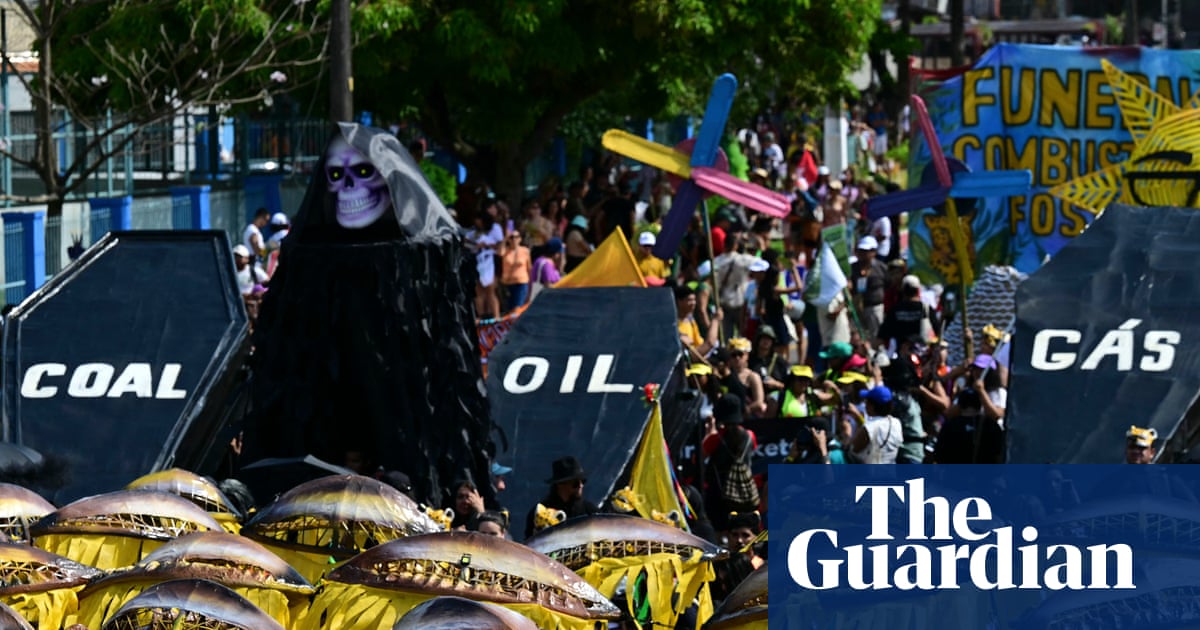
The global energy landscape is perpetually in flux, but few events exert as much long-term influence on the investment horizon as the United Nations Climate Change Conferences. With COP30 now firmly on the agenda, the contentious “fossil fuel phase-out” discussion is set to once again dominate headlines and investor strategies. For hydrocarbon-focused portfolios, this isn’t merely an environmental debate; it’s a critical stress test of future asset valuations, regulatory risk, and strategic pivots. This analysis delves into the historical context, current market realities, and forward-looking implications for oil and gas investors as the world grapples with the energy transition.
The Enduring Elephant: COP’s Uneasy Relationship with Hydrocarbons
For over three decades, the direct discussion of fossil fuels at UN climate conferences has been the proverbial “elephant in the room.” The foundational UN Framework Convention on Climate Change (UNFCCC), designed for universality, inherently granted significant leverage to petrostates like Saudi Arabia, Qatar, and Russia. This power dynamic historically stifled any explicit mention of phasing out oil, gas, or coal, instead diverting focus to broader “greenhouse gas emissions” – a narrative that diluted the direct accountability of hydrocarbon production. This historical resistance has long complicated long-term capital allocation in the energy sector, creating a persistent regulatory overhang that investors have had to navigate.
The breakthrough at COP28 in Dubai, where nations agreed for the first time to “transition away from fossil fuels,” represented a significant, albeit nuanced, shift. Buried in paragraph 28 of the “global stocktake,” this pledge surprised many, particularly given the conference was hosted by a major oil producer, the UAE, and presided over by Sultan Al Jaber, CEO of its national oil company. This unlikely achievement, often attributed to Al Jaber’s unique position, underscores the complex political maneuvering inherent in these negotiations. For investors, it signaled that the conversation has moved beyond mere emissions to the very source of those emissions, compelling a re-evaluation of the sector’s long-term viability, even if the practical implementation remains fiercely contested.
Market Volatility and the Reality of Transition Costs
The backdrop to these high-stakes policy discussions is a market characterized by significant volatility, directly impacting investor sentiment and the financial viability of transition efforts. As of today, Brent crude trades at $89.11, marking a sharp 10.34% decline from yesterday’s close, with WTI crude mirroring this trend at $81.73, down 10.35%. This dramatic daily swing, following a broader trend where Brent has shed approximately $14, or 12.4%, from $112.57 just two weeks ago, highlights the acute sensitivity of oil prices to macroeconomic signals and geopolitical developments.
Such price dynamics are critical for investors assessing the future of the energy sector. When OilMarketCap.com readers ask, “what do you predict the price of oil per barrel will be by end of 2026?”, the answer is inextricably linked to this interplay of market fundamentals and policy uncertainty. Lower prices, while potentially dampening enthusiasm for high-cost new oil and gas projects, also present challenges for the economic competitiveness of renewable energy alternatives, which often require stable long-term energy prices to justify upfront capital expenditure. The volatility further complicates cash flow projections for established players and new entrants alike, making capital allocation decisions more complex against the backdrop of COP30’s phase-out discussions.
Upcoming Calendar Events: Navigating Policy and Supply Dynamics
The immediate horizon for oil and gas investors is packed with events that will shape near-term market sentiment and provide crucial insights into supply-side dynamics ahead of COP30. This week, the OPEC+ Joint Ministerial Monitoring Committee (JMMC) convenes on April 17th, followed by the full Ministerial Meeting on April 18th. These meetings are paramount for understanding global crude supply strategies. Our readers frequently inquire, “What are OPEC+ current production quotas?”, underscoring the market’s focus on how these producers will manage output amidst global demand fluctuations and the evolving energy transition narrative. Any adjustments to quotas or production discipline will directly impact price stability and profitability for the wider sector.
Beyond OPEC+, the market will closely watch the API Weekly Crude Inventory reports on April 21st and 28th, followed by the EIA Weekly Petroleum Status Reports on April 22nd and 29th. These data points offer vital signals on demand health and inventory levels in the world’s largest consumer market. Concurrently, the Baker Hughes Rig Count on April 24th and May 1st will provide a forward-looking indicator of drilling activity and future supply potential, particularly in North America. These regular market pulses, occurring as the world gears up for COP30, will serve as real-time barometers of the physical market’s reaction to economic conditions and the mounting pressure for energy transition, creating a complex decision matrix for investors positioning their portfolios for the remainder of 2026 and beyond.
The Unpicked Deal: A Precedent for Future Resistance
The ink was barely dry on the COP28 agreement before some countries, notably Saudi Arabia, began attempts to “unpick” the deal, claiming the “transition away from fossil fuels” was not a binding commitment. This immediate pushback offers a crucial precedent for investors as they look towards COP30. It reveals that securing a consensus statement, even a historic one, is merely the first hurdle; implementing and enforcing such a mandate is an entirely different, and far more challenging, proposition. For companies like Repsol, which one of our readers asked about regarding their performance in April 2026, this environment of policy ambiguity translates directly into operational and strategic uncertainty. While the long-term direction points towards decarbonization, the short-to-medium term remains mired in political negotiation and economic realities.
The ability of major producers to resist or reinterpret climate pledges means that capital expenditure for oil and gas will likely continue, albeit with increased scrutiny and a higher cost of capital. Investors must therefore anticipate that COP30 will not be a rubber stamp for a swift phase-out, but rather a fierce battleground where national interests, energy security concerns, and economic dependencies will clash with climate ambitions. Understanding the inherent fragility of these agreements is key to discerning which companies are truly prepared for a protracted transition versus those merely paying lip service, and how this will affect their respective valuations in a volatile market.


