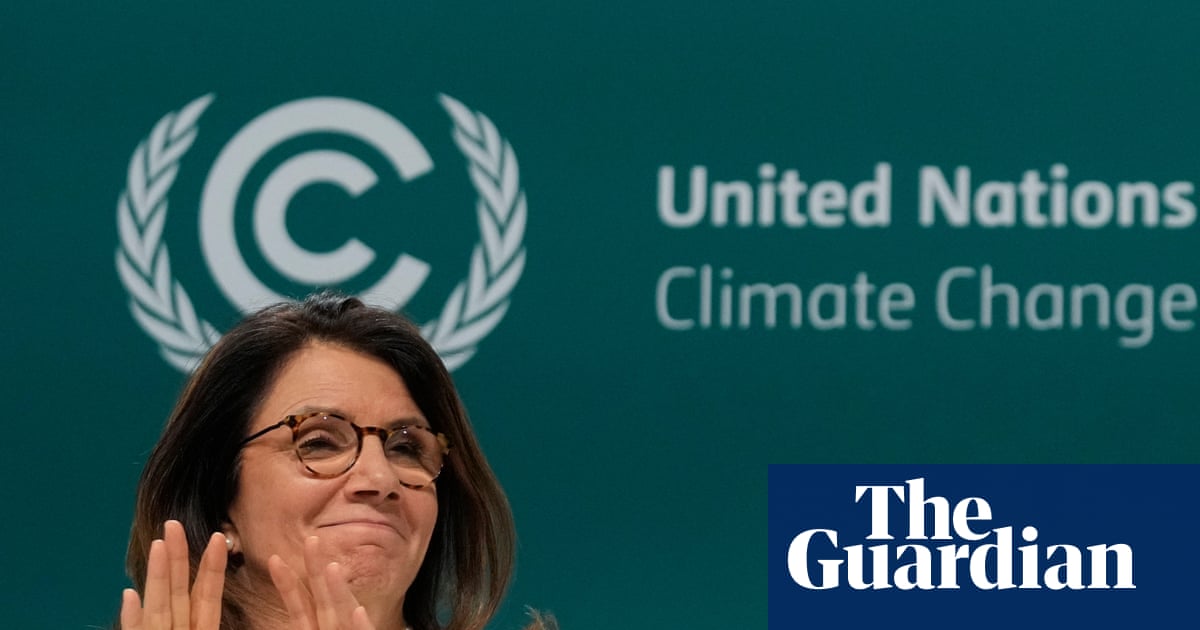
The global energy landscape is a complex tapestry woven with threads of climate ambition, geopolitical tension, and raw market economics. As investors navigate this intricate environment, a recent stark assessment from Ana Toni, the chief executive of COP30 – the upcoming UN climate summit in Brazil – resonates deeply. Toni’s assertion that “climate is our biggest war” underscores the perceived urgency of environmental action, but for oil and gas investors, this declaration prompts a critical re-evaluation of how such long-term climate narratives intersect with immediate market realities and investment strategies. The crucial question is not if climate change is happening, but how the world’s response, or lack thereof, shapes the outlook for fossil fuel demand and the profitability of energy investments.
The Divergence: Climate Rhetoric vs. Energy Reality
The COP30 CEO’s concern highlights a significant divergence: while climate rhetoric intensifies, practical global action appears to be lagging. With only a fraction of nations having submitted their updated climate plans, and global temperatures already breaching the 1.5°C threshold, the urgency is undeniable. However, this environmental imperative is increasingly competing with a myriad of geopolitical and economic distractions. Reports of major economies like the U.S. shifting towards fossil fuel expansion, alongside internal European Union disputes and rumors of weaker targets from China, paint a picture of fractured global commitment. Simultaneously, ongoing conflicts in the Middle East, widespread cost-of-living crises, and the rise of populist movements are diverting political attention and resources away from green initiatives. For the oil and gas sector, this translates into an extended runway for traditional energy sources, as the practicalities of energy security and economic stability often trump ambitious decarbonization timelines in the short to medium term. The emphasis on military spending over climate investment, as observed by representatives from vulnerable nations, further reinforces this trend, suggesting that capital flows may continue to favor established energy infrastructure for longer than climate advocates might wish.
Market Dynamics Amidst Global Crosscurrents
The current market data starkly illustrates the dominance of immediate supply-demand fundamentals over long-term climate narratives. As of today, Brent crude trades at $95.19, reflecting a modest daily uptick of 0.42% within a range of $91 to $96.89. WTI crude similarly saw a 0.5% gain, reaching $91.74. This short-term resilience, however, contrasts with a noticeable downtrend over the past two weeks, where Brent shed nearly 8.8%, dropping from $102.22 to $93.22. Gasoline prices, currently at $3.00, also registered a daily increase of 1.01%. This volatility underscores how geopolitical events, inventory fluctuations, and economic sentiment typically exert more immediate pressure on prices than the long-term, abstract threat of climate change. While the COP30 CEO warns of a century-long climate battle, the daily and weekly price action in crude and refined products is driven by factors such as Middle East stability, refinery throughput, and consumer demand. Investors must therefore balance the strategic long-term risks posed by climate policy with the tactical, often more impactful, short-term opportunities and risks presented by these traditional market drivers.
Investor Focus: Navigating Uncertainty and Forecasting Demand
In this environment of conflicting signals, investors are actively seeking clarity on the road ahead. A dominant theme among our readers this week revolves around building a robust base-case Brent price forecast for the next quarter and understanding the consensus 2026 Brent outlook. This intense focus on price reflects the deep uncertainty stemming from the very dynamics the COP30 chief executive highlights: will global attention truly shift to climate action, or will “other wars” continue to dictate energy policy? The current geopolitical backdrop, including ongoing conflicts and trade tensions, suggests a continued demand for resilient and readily available energy sources, often favoring fossil fuels. While the long-term transition is inevitable, the pace is heavily influenced by these macro-level diversions. The persistent questions about Chinese “teapot” refinery activity and Asian LNG spot prices further indicate that investors are closely monitoring regional demand centers and their immediate energy needs, which are less susceptible to distant climate summit rhetoric and more aligned with economic growth and industrial activity.
Upcoming Catalysts and the Forward Outlook
The immediate investment horizon will be significantly shaped by a series of critical industry events, offering tangible data points for assessing market direction. The upcoming OPEC+ meetings, with the Joint Ministerial Monitoring Committee (JMMC) convening on April 18th and the full Ministerial meeting following on April 20th, are paramount. These gatherings will determine production quotas, directly impacting global supply and, consequently, crude prices. Any unexpected shifts in policy could inject significant volatility into the market. Furthermore, the regular cadence of inventory reports, including the API Weekly Crude Inventory on April 21st and 28th, and the EIA Weekly Petroleum Status Report on April 22nd and 29th, will provide crucial insights into U.S. supply-demand balances. These reports often serve as a proxy for broader market health and can influence price movements in the short term. The Baker Hughes Rig Count, scheduled for April 17th and 24th, offers an early indicator of future production trends in North America. When viewed through the lens of the COP30 chief executive’s concerns, these events will demonstrate whether the immediate push for energy security and economic stability continues to drive investment and production decisions, potentially overshadowing the urgent calls for climate action in the near term.
Conclusion
The pronouncements from the COP30 CEO serve as a powerful reminder of the long-term trajectory towards a decarbonized world. However, for investors in the oil and gas sector, the path to that future is far from linear. The current market environment is characterized by a persistent tension between ambitious climate targets and the practical realities of geopolitical instability, economic pressures, and unwavering energy demand. While the strategic imperative to address climate change grows stronger, the tactical decisions of governments and the immediate needs of economies continue to support traditional energy sources. Investors must therefore maintain a dual perspective: acknowledging the long-term systemic risks and opportunities presented by climate change, while simultaneously focusing on the near-term catalysts, market fundamentals, and geopolitical shifts that will dictate profitability in the coming quarters. The “climate war” may be a long one, but the immediate battles for market share and price stability are fought daily, driven by the very human needs that currently rely heavily on fossil fuels.


