Comau, Intecells Battery Deal Signals EV Push
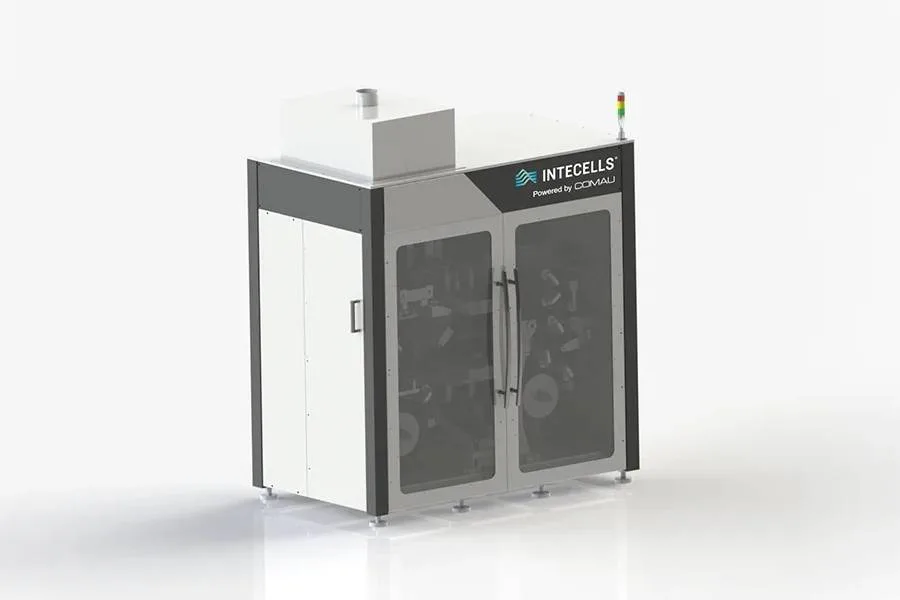
The recent collaboration between industrial automation giant Comau and battery innovator Intecells marks a significant stride in electric vehicle (EV) battery manufacturing, a development with profound implications for the oil and gas investment landscape. This partnership, focused on optimizing cold plasma technology for industrial battery cell production, promises to streamline processes, reduce costs, and enhance battery performance. For oil and gas investors, this isn’t merely a technical advancement; it’s a potent signal of accelerating efficiency in a competing energy sector. As battery technology becomes cheaper and more effective, the long-term outlook for petroleum demand, particularly gasoline, faces increased pressure, necessitating a re-evaluation of traditional investment theses and forward-looking strategies within the hydrocarbon space.
Technological Breakthroughs and Their Demand Impact
The core of the Comau-Intecells cooperation lies in leveraging patented cold plasma technology to eliminate the need for solvents and binders in battery cell manufacturing. This innovation is poised to shorten cycle times, drastically reduce energy consumption during crucial soaking and drying phases, and ultimately improve cell capacity, cycle stability, and overall production quality across various battery types. For the oil and gas sector, these aren’t abstract gains; they represent tangible steps towards more affordable, higher-performing electric vehicles. As of today, Brent crude trades at $94.84, showing a marginal daily gain of 0.05% within a range of $91 to $96.89. WTI crude similarly hovers at $91.22, down 0.07%. More critically, gasoline prices stand at $2.96 per gallon, marking a 0.34% decrease today. This current market snapshot for refined products, especially gasoline, stands in stark contrast to the efficiency gains announced in EV battery production. While the immediate market drivers for crude and gasoline are complex, the relentless march of battery innovation, exemplified by the Comau-Intecells deal, points to structural shifts that will increasingly challenge gasoline demand in the coming years. Investors must recognize that advancements making EVs more competitive directly translate to potential headwinds for the downstream oil sector and, consequently, the entire petroleum value chain.
Investment Reassessment in a Shifting Landscape
The Comau-Intecells deal serves as a tangible data point for investors grappling with the pace of the energy transition. Our proprietary reader intent data highlights this very uncertainty, with a significant volume of inquiries focused on projecting base-case Brent prices for the next quarter and understanding the consensus 2026 Brent forecast. Innovations like the cold plasma process directly influence the long-term demand curve for crude, making these forecasts increasingly complex. Comau’s active role in other battery initiatives, such as the Reinforce recycling project and the EU battery project FASTEST, along with its recent presentation of a new cell forming platform, underscores a strategic pivot towards electrification. Even with Stellantis’s divestment in January, Comau’s continued deep engagement in battery technology signals a broader industrial commitment to the EV future. For oil and gas portfolios, this translates to a heightened need for diversification, a critical assessment of companies’ net-zero strategies, and a careful re-weighting towards firms with robust carbon capture, hydrogen, or renewable energy ventures. The capital allocated to oil and gas will increasingly scrutinize long-term viability against an accelerating backdrop of technological disruption in competing energy sectors.
Upcoming Events and Strategic Responses to Demand Pressure
The implications of accelerated EV battery development, driven by innovations like the Comau-Intecells partnership, extend beyond immediate market prices to influence strategic decisions at the highest levels of the energy industry. Looking ahead, the upcoming OPEC+ Ministerial Meeting on April 20th, preceded by the JMMC on April 18th, will be a critical juncture. While these meetings primarily address short-to-medium term supply-demand balances, the underlying trend of improving EV technology will undoubtedly color long-term discussions among producers. If battery manufacturing becomes significantly more efficient and cost-effective, the assumption of steadily growing oil demand, especially for transportation fuels, becomes increasingly tenuous over time. Furthermore, the Baker Hughes Rig Count reports on April 17th and 24th will offer insights into upstream producers’ confidence in future oil demand. A sustained decrease in rig activity could signal a more cautious long-term outlook, partially influenced by the accelerating energy transition narrative. Similarly, the API and EIA Weekly Crude Inventory reports, scheduled for April 21st, 22nd, 28th, and 29th, provide crucial short-term demand signals. Investors should monitor these reports not just for their immediate impact, but for any emerging patterns that might reflect a gradual but persistent softening of demand due to growing EV adoption, bolstered by technological leaps like those achieved by Comau and Intecells. The collective response from oil-producing nations and integrated energy majors to these shifting demand fundamentals will be a defining characteristic of the next decade.
Refining Sector Resilience Under EV Headwinds
The Comau-Intecells deal’s promise of cheaper, more efficient battery production directly impacts the refining sector, particularly those heavily invested in gasoline output. As EV adoption accelerates, driven by technological advancements that reduce vehicle cost and improve performance, the demand for gasoline will inevitably decline. Refiners face the strategic challenge of adapting their product mix and potentially reconfiguring assets to produce more petrochemical feedstocks or sustainable aviation fuels, areas less directly threatened by electrification. The recent 14-day Brent trend, which saw prices fall from $102.22 on March 25th to $93.22 on April 14th — an 8.8% decline — hints at broader market anxieties concerning future demand, even if not solely attributable to EV progress. However, the consistent drumbeat of battery innovation, with Comau and Intecells now contributing a significant new chapter, strengthens the long-term case for peak gasoline demand. Oil and gas investors with significant exposure to refining assets must therefore assess the agility and investment plans of these companies to transition away from traditional transportation fuels, or risk facing declining margins and stranded asset risks in an increasingly electrified world.