Colorado River’s Deepening Water Crisis: A Mounting Financial Headwind for Energy Investors
The Colorado River basin, a vital artery for the American Southwest, confronts an escalating hydrological crisis, one that demands immediate attention from investors with stakes in the region’s energy sector. Recent scientific analysis, leveraging sophisticated NASA satellite imagery across the vast southwestern landscape, reveals an alarming depletion of groundwater resources. Over the past two decades, the basin has shed an astonishing 27.8 million acre-feet (MAF) of subsurface water, a volume nearly equivalent to the entire storage capacity of Lake Mead, the nation’s largest reservoir. This profound reduction in the region’s water endowment signals potential operational and financial headwinds for oil and gas companies operating within this increasingly parched territory.
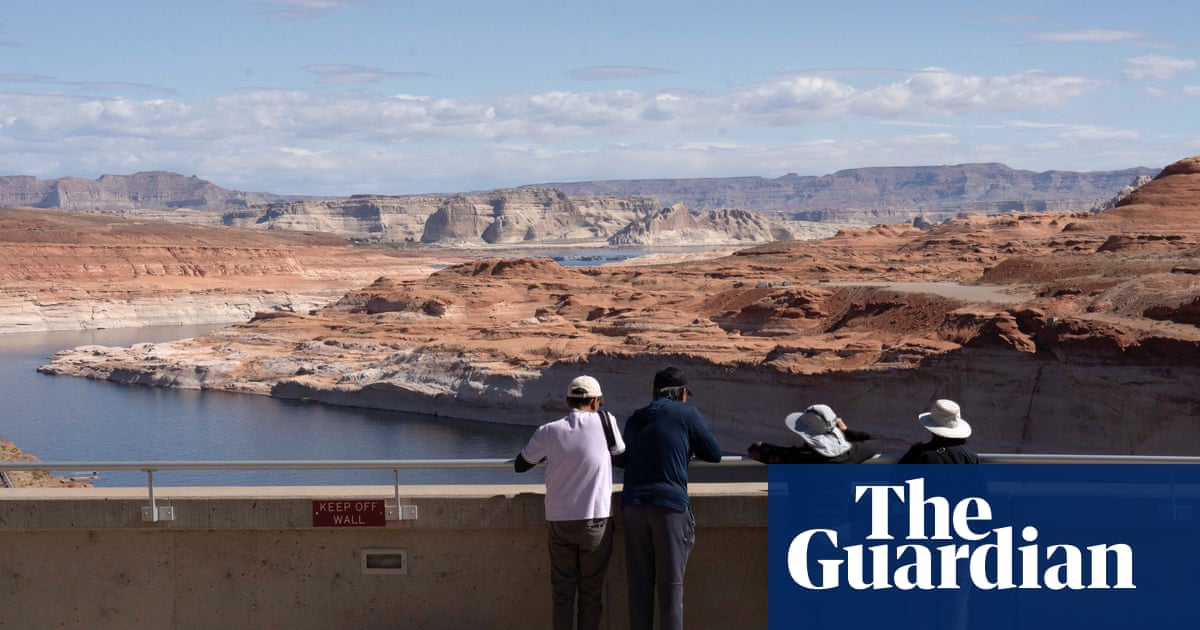
The research underscores a critical imbalance: groundwater is vanishing at a rate 2.4 times faster than surface water bodies. While the shrinking “bathtub rings” of iconic reservoirs like Lake Powell and Lake Mead offer stark visual evidence of surface water distress – with the Colorado River’s flow decreasing approximately 20% over the last century – the hidden nature of groundwater makes its rapid decline less immediately perceptible to the public. This invisibility, as experts like Arizona State University hydrologist Jay Famiglietti point out, contributes to a collective misunderstanding of the severity and scale of the problem.
Accelerated Depletion Rates Signal Intensifying Stress
The pace of water storage depletion within the Colorado River basin has accelerated dramatically in recent years, a trend that should concern any investor monitoring long-term regional stability. Since 2015, the basin has experienced an average annual freshwater loss of 3.8 MAF. This rate represents a significant acceleration, registering 2.5 times faster than the average annual loss of 1.5 MAF recorded between 2003 and 2014. Such figures illustrate a rapidly deteriorating situation, implying increased competition for resources and potentially higher operational costs for industrial users, including the oil and gas industry, in the years ahead.
The bulk of these groundwater losses since 2003 have concentrated in the lower Colorado River basin, encompassing economically significant states like Arizona, Nevada, and California. This geographical focus means energy assets situated in these areas could face disproportionate exposure to water-related risks, impacting everything from drilling and hydraulic fracturing operations to cooling systems for processing facilities.
Regulatory Gaps and “Overpumping” Intensify Risks
A significant contributing factor to this unsustainable depletion is the historical lack of robust groundwater regulation. For decades, the extraction of subsurface water largely remained outside stringent governmental oversight. California, for instance, only implemented statewide groundwater management in 2014, leaving generations of pumping largely unchecked. Arizona, despite experiencing substantial groundwater declines, continues to operate without comprehensive regulation across the majority of its territory. This allows many property owners to pump as much groundwater as desired, a practice Famiglietti identifies as the primary driver behind the “overpumping” responsible for the past two decades’ losses. While not illegal, this unregulated extraction is creating an unprotected and dwindling common resource.
The lion’s share of water consumption in the Southwest belongs to agriculture. The expansion of large-scale industrial farming, particularly in Arizona, has fueled the proliferation of deeper and larger wells designed to extract ever-greater volumes of groundwater. A notable example includes the cultivation of alfalfa, a water-intensive crop used as hay for cattle. Furthermore, while representing a smaller overall demand, the burgeoning data center industry in the region also constitutes a growing consumer of water, adding another layer of competition for this precious commodity. This multi-sectoral demand, set against a backdrop of declining reserves and fragmented regulation, creates a highly competitive and volatile environment for water acquisition, directly impacting the operational stability and cost structures of oil and gas enterprises.
Direct Implications for Oil and Gas Profitability
For the oil and gas sector, water scarcity in the Colorado River basin translates directly into tangible operational and financial risks. Drilling operations, hydraulic fracturing, and various midstream and downstream processes – including cooling for refineries and gas processing plants – are all water-intensive. As surface and groundwater supplies dwindle, operators face increased challenges in securing the necessary volumes of water. This could manifest as:
- Higher Acquisition Costs: Greater competition from agriculture, municipalities, and other industries will inevitably drive up the price of water rights and purchased water.
- Permitting Delays and Denials: Stricter environmental regulations and increased public scrutiny over water use could lead to prolonged permitting processes or even outright denials for projects requiring significant water volumes.
- Operational Interruptions: Drought conditions or imposed water restrictions could force companies to reduce or halt operations, impacting production targets and revenue streams.
- Increased Treatment and Recycling Costs: To mitigate reliance on fresh water, companies may be compelled to invest more heavily in water recycling and treatment technologies, adding to capital and operational expenditures.
- Reputational and ESG Risks: Companies perceived as significant water consumers in a water-stressed region could face negative public sentiment, affecting their social license to operate and potentially impacting investor confidence, particularly from ESG-focused funds.
Navigating the Hydrological Headwinds: An Investor’s Perspective
Investors in oil and gas companies with significant asset footprints in the Colorado River basin must critically assess how these firms are preparing for and mitigating intensifying water scarcity. Robust water management strategies are no longer merely an environmental consideration; they are fundamental to sustained operational resilience and long-term financial performance. Key areas for investor scrutiny include:
- Water Intensity Metrics: Understanding a company’s water footprint per barrel of oil equivalent produced.
- Recycling and Reuse Rates: Evaluating investments in and effectiveness of water recycling and reuse programs, particularly for hydraulic fracturing.
- Alternative Water Sources: Assessing strategies for utilizing non-freshwater sources, such as brackish water or treated municipal wastewater.
- Regulatory Engagement: Examining how companies are engaging with local and state regulators to secure water access and influence responsible water policy.
- Regional Diversification: Analyzing the geographical distribution of assets to understand exposure to the most water-stressed sub-basins.
The Colorado River’s profound water deficit is not a transient issue but a deepening structural challenge. For oil and gas investors, understanding this evolving crisis and the proactive measures companies are taking to address it will be paramount in identifying resilient assets and protecting portfolio value in the years to come. The invisible depletion of groundwater is rapidly becoming a visible risk on the balance sheets of energy companies in the American Southwest.


