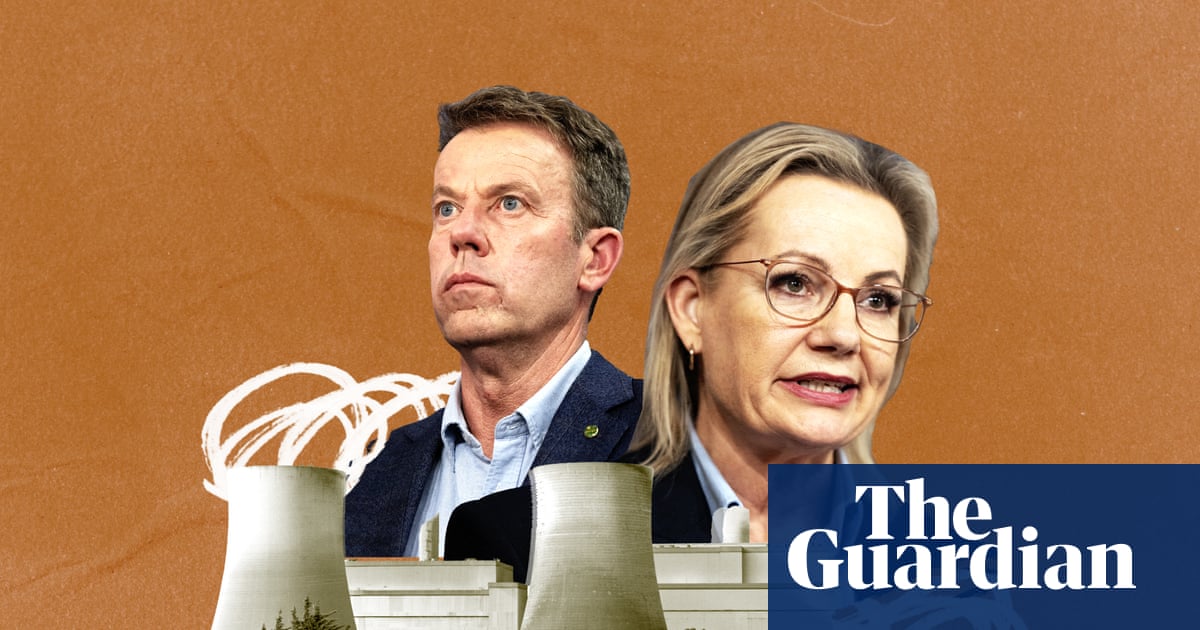
The global energy landscape is perpetually shifting, driven by a complex interplay of geopolitics, economic imperatives, and evolving climate policy. A recent development demanding investor attention is the potential move by a major economy’s opposition coalition to abandon its net-zero emissions target while aiming to remain within the Paris Agreement. This proposed policy shift, framed internally as “entirely consistent” with international obligations despite internal concerns about potential conflicts, introduces a new layer of uncertainty for energy market participants and underscores the growing tension between climate ambition and energy affordability. For oil and gas investors, understanding the nuances of such policy reversals is critical, as they can signal broader trends that impact long-term asset valuations, regulatory risks, and the trajectory of global energy demand and supply.
Geopolitical Headwinds and Climate Policy Stability
The internal debate within the coalition regarding its energy and emissions strategy highlights a significant ideological schism that could reverberate beyond national borders. The political messaging emphasizes “national choice” and the need to keep power affordable, positioning the proposed exit from a net-zero 2050 target and the rescinding of 2030/2035 goals as pragmatic decisions. While the Paris Agreement does not explicitly mandate net-zero targets for individual countries, it does require signatories to progressively increase their emissions reduction goals to reflect their “highest possible ambitions.” A downgrade of existing commitments, therefore, presents a challenge to the spirit, if not the letter, of the accord. For energy investors, this situation raises critical questions about policy stability. A government’s willingness to re-evaluate or even retract climate commitments can create significant uncertainty around green investments, carbon pricing mechanisms, and the long-term viability of renewable energy projects. Conversely, it might be interpreted as a signal of renewed support for traditional fossil fuel industries, particularly if the rationale is centered on energy security and affordability. The focus on economic pressures, a common theme across many nations, suggests that similar policy re-evaluations could emerge elsewhere, adding complexity to the global energy transition narrative.
Market Volatility and Crude Price Dynamics
Against this backdrop of policy uncertainty, crude oil markets continue to exhibit considerable volatility. As of today, Brent Crude trades at $94.68 per barrel, reflecting a modest daily decline of 0.84% within a day range of $93.87 to $95.69. Similarly, WTI Crude stands at $86.34, down 1.24%, moving between $85.5 and $86.78. This daily fluctuation is indicative of broader market jitters. Notably, our proprietary data shows a significant 14-day Brent trend, dropping from $118.35 on March 31st to $94.86 on April 20th, a substantial decrease of nearly 20%. This sharp correction underscores how quickly market sentiment can shift in response to supply-demand imbalances, geopolitical tensions, and, increasingly, the evolving landscape of global energy policy. The potential for a major economy to scale back its climate ambitions, even if framed as a domestic policy choice, introduces an additional layer of unpredictability. Investors must now weigh how such decisions might influence long-term demand projections for crude oil and natural gas, especially if other nations facing similar economic pressures consider comparable policy adjustments. The market’s reaction to this political maneuvering will be crucial in determining short to medium-term price trajectories.
Investor Sentiment and Forward-Looking Catalysts
Our first-party reader intent data reveals that investors are keenly focused on market direction and future price predictions. Common questions include “is wti going up or down” and “what do you predict the price of oil per barrel will be by end of 2026?” These inquiries underscore the intense desire for clarity in a volatile market. The proposed policy shift regarding net-zero targets adds another significant variable to these complex forecasts. On the supply side, the upcoming OPEC+ JMMC Meeting on April 21st will be a critical event. Any signals regarding production quotas or supply management strategies will directly impact market balances and investor expectations. Furthermore, the EIA Weekly Petroleum Status Reports on April 22nd and April 29th, alongside the API Weekly Crude Inventory updates on April 28th and May 5th, will offer crucial insights into U.S. inventory levels and demand trends. Perhaps most significantly for forward-looking analysis, the EIA Short-Term Energy Outlook on May 2nd will provide updated projections for global supply, demand, and prices, incorporating the latest market dynamics and policy considerations. Investors will be scrutinizing these reports for any indications of how policy changes, like the one discussed, are being factored into official energy outlooks, guiding their decisions amidst the prevailing uncertainty.
The Investment Horizon: Navigating Risk and Opportunity
For oil and gas investors, the prospect of a nation reconsidering its net-zero commitments presents both risks and potential opportunities. On one hand, it highlights the fragility of long-term climate targets when confronted with immediate economic and energy security concerns. This could lead to a reassessment of investment in decarbonization technologies if the perceived regulatory tailwinds diminish. Companies heavily reliant on aggressive carbon transition timelines may face increased uncertainty. On the other hand, a slower, more pragmatic approach to the energy transition could provide a longer runway for traditional fossil fuel assets. Investment in oil and gas production, particularly in regions with stable regulatory environments and competitive costs, might see renewed interest if the global push for rapid decarbonization falters. The internal political discourse, which emphasizes balancing emissions reduction with affordable energy and job protection, reflects a broader global challenge. Investors must therefore closely monitor not only the final policy outcomes but also the underlying political and economic drivers. The ability of a future government to successfully argue that its approach is “entirely consistent” with the Paris Agreement, despite internal contradictions, will be a test case for how other nations might reconcile climate ambitions with domestic realities. Understanding these dynamics is paramount for positioning portfolios strategically in an evolving energy market.


