CNH Brazil: Sustainable Ag Boosts Green Fuel Outlook
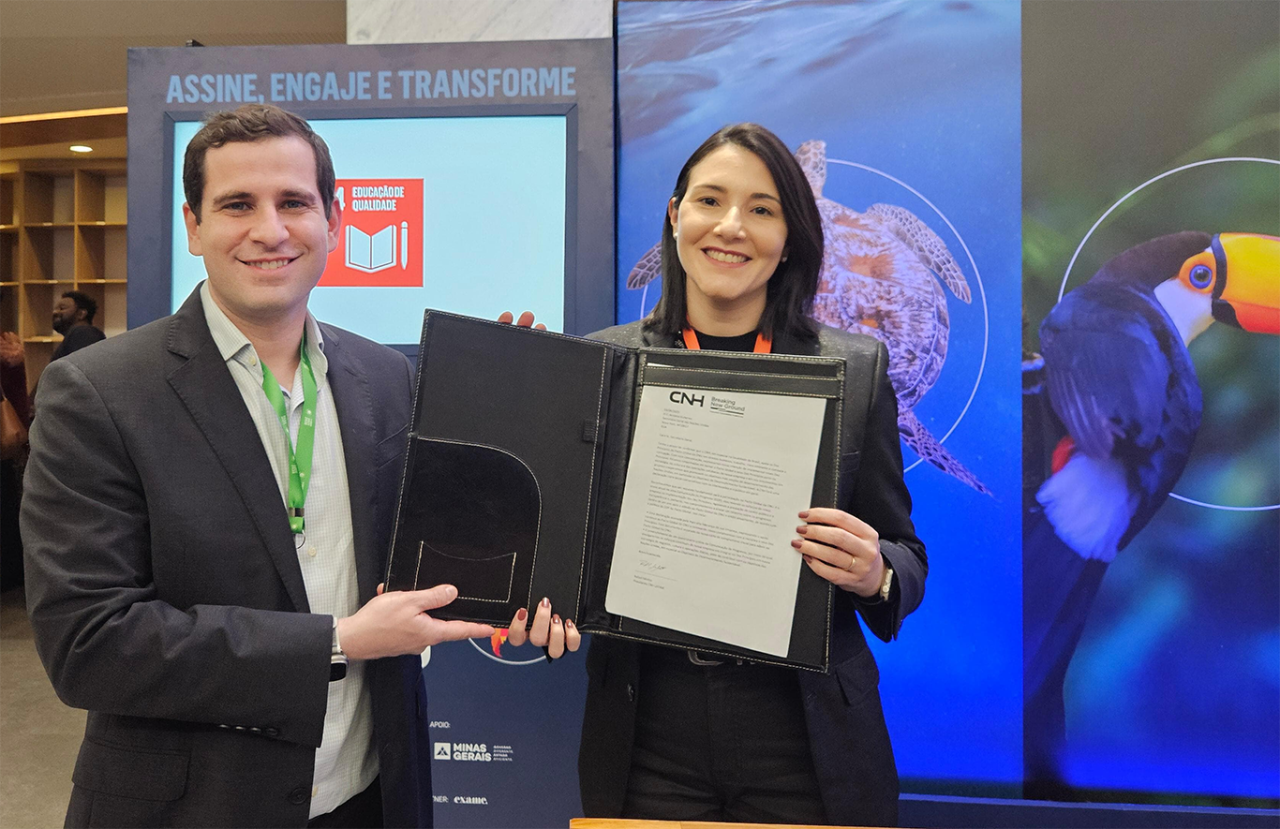
The global energy landscape is undergoing a profound transformation, driven not only by geopolitical shifts and demand fluctuations but also by an accelerating push towards sustainability. A recent development highlighting this transition comes from CNH, a titan in agricultural machinery, which has deepened its commitment to sustainable development by joining the UN Global Compact Brazil Network. While seemingly focused on agriculture, this move sends a powerful signal to oil and gas investors: the future of energy is increasingly intertwined with sustainable practices across all sectors, including the vital agricultural supply chain. For investors keenly watching the evolution of green fuels, CNH’s initiative, particularly its alignment with the Platform for Sustainable Agriculture and UN Sustainable Development Goals (SDGs) like Zero Hunger, Responsible Consumption, and Climate Action, underscores a growing, investable trend. Brazil, a powerhouse in agribusiness and a global leader in biofuels, serves as a crucial proving ground for these integrated sustainability strategies, making CNH’s local engagement particularly significant for those tracking the next wave of energy innovation.
The Agricultural Front in the Green Fuel Revolution
CNH’s enhanced engagement in Brazil through the UN Global Compact is more than a corporate social responsibility initiative; it’s a strategic move that aligns agriculture directly with the green energy transition. By supporting SDGs focused on sustainable agriculture (SDG 2), responsible production (SDG 12), and climate action (SDG 13), CNH is positioning itself at the nexus of food production and renewable energy generation. Brazil’s robust biofuel industry, predominantly ethanol derived from sugarcane, demonstrates agriculture’s direct role in displacing fossil fuels. CNH, through its brands like Case IH and New Holland, provides the very machinery that makes large-scale sustainable agriculture possible, from optimized planting and harvesting to precision farming techniques that reduce resource consumption and emissions. This commitment extends beyond primary production; CNH’s broader ESG leadership, recognized globally by S&P Global Sustainability Yearbook and leadership scores from CDP, indicates a holistic approach to minimizing environmental footprint and maximizing resource efficiency. For oil and gas investors, this signifies not merely a shift away from traditional fuels but the emergence of a new, technologically advanced supply chain for bioenergy, where efficiency gains in agriculture directly translate into more competitive and sustainable green fuel outputs.
Navigating Market Volatility Amidst Long-Term Green Shifts
While the long-term trajectory toward sustainable fuels gains momentum, the immediate energy market continues to be defined by its characteristic volatility, a stark reminder for investors balancing short-term plays with long-term strategy. As of today, Brent crude trades at $98.69, marking a significant 3.96% increase within the day, with WTI following suit at $90.55. This upward swing, however, comes after a notable 14-day trend where Brent shed over 12% of its value, dropping from $108.01 on March 26th to $94.58 just yesterday. Gasoline prices are also experiencing an uptick today, reaching $3.08. This dynamic environment, where traditional crude markets can swing wildly on geopolitical news or supply-demand sentiment, exists in parallel with the steady, structural growth of sustainable sectors like green agriculture. For investors, CNH’s strategic pivot highlights the need to consider diversification beyond conventional oil and gas. High crude prices, like those witnessed today, can paradoxically accelerate the economic viability and investment appeal of alternative fuels derived from agricultural feedstocks, making the green agriculture value chain an increasingly attractive proposition against the backdrop of an often unpredictable hydrocarbon market.
Upcoming Catalysts and the Bioenergy Outlook
The interplay between traditional energy market drivers and the burgeoning green sector will be particularly evident in the coming weeks, as a series of critical events unfold. The energy market is bracing for significant announcements from the OPEC+ Joint Ministerial Monitoring Committee (JMMC) meeting on April 18th, followed by the full Ministerial meeting on April 20th. Any signals regarding production quotas or supply adjustments will immediately impact crude benchmarks. Similarly, the recurring Baker Hughes Rig Count reports on April 17th and 24th, along with the API and EIA weekly inventory reports throughout the end of April, will provide crucial snapshots of supply and demand dynamics in the conventional oil and gas sector. While these events directly influence the short-term outlook for crude prices, they also indirectly shape the investment landscape for green fuels. Higher sustained crude prices, potentially catalyzed by OPEC+ decisions or tightening supply, enhance the competitiveness of biofuels and other bioenergy solutions emerging from sustainable agriculture initiatives like CNH’s. Investors should monitor these traditional market catalysts not just for their direct impact on oil and gas portfolios, but also for the ripple effects they create across the broader energy transition, potentially accelerating capital allocation into sustainable agricultural technologies and green fuel infrastructure.
Investor Focus: Decoding the Green-Energy Crosscurrents
Our proprietary reader intent data reveals a consistent theme among investors: a desire to build a base-case Brent price forecast for the next quarter, alongside understanding the consensus 2026 Brent forecast. While immediate concerns often revolve around market fundamentals like Chinese tea-pot refinery runs or Asian LNG spot prices, the CNH announcement underscores a deeper, structural question many investors are grappling with: how do we integrate ESG factors and the transition to a lower-carbon economy into our traditional energy investment theses? CNH’s move into the UN Global Compact Brazil Network and its focus on sustainable agriculture provide a compelling answer. It demonstrates that the path to a lower-carbon future isn’t solely through wind turbines and solar panels, but also through optimizing and greening foundational industries like agriculture. For investors, this means considering the long-term demand implications for traditional fuels as sustainable bioenergy solutions become more prevalent. Companies like CNH, which are enabling the infrastructure for this transition, represent a critical investment avenue. Evaluating these opportunities requires looking beyond the daily price swings of crude and embracing a holistic view that recognizes agriculture as a significant, and increasingly sustainable, energy producer. The growing interest in ESG leadership and sustainable development goals, as exemplified by CNH, is not just a trend but a fundamental reorientation of capital toward resilient, future-proof energy solutions.


