India’s Biogas Revolution: A $32.2 Million Catalyst for Energy Security and Decarbonization
The global energy landscape is undergoing a profound transformation, with strategic investments in renewable energy infrastructure gaining significant traction. A prime example of this shift is the recent $32.2 million commitment by Climate Fund Managers, backed by the EU-supported Climate Investor Two Construction Equity Fund, towards a commercial waste-to-biogas facility in Uttar Pradesh, India. This substantial capital injection into Akaia Green Fuels underscores a growing investor appetite for projects that tackle energy security, environmental challenges, and industrial decarbonization simultaneously. For oil and gas investors, this development signals a critical pivot point, highlighting the expanding role of bioenergy in national energy strategies and offering new avenues for portfolio diversification in a market increasingly sensitive to sustainability metrics.
Shifting Sands: India’s Strategic Embrace of Domestic Bioenergy
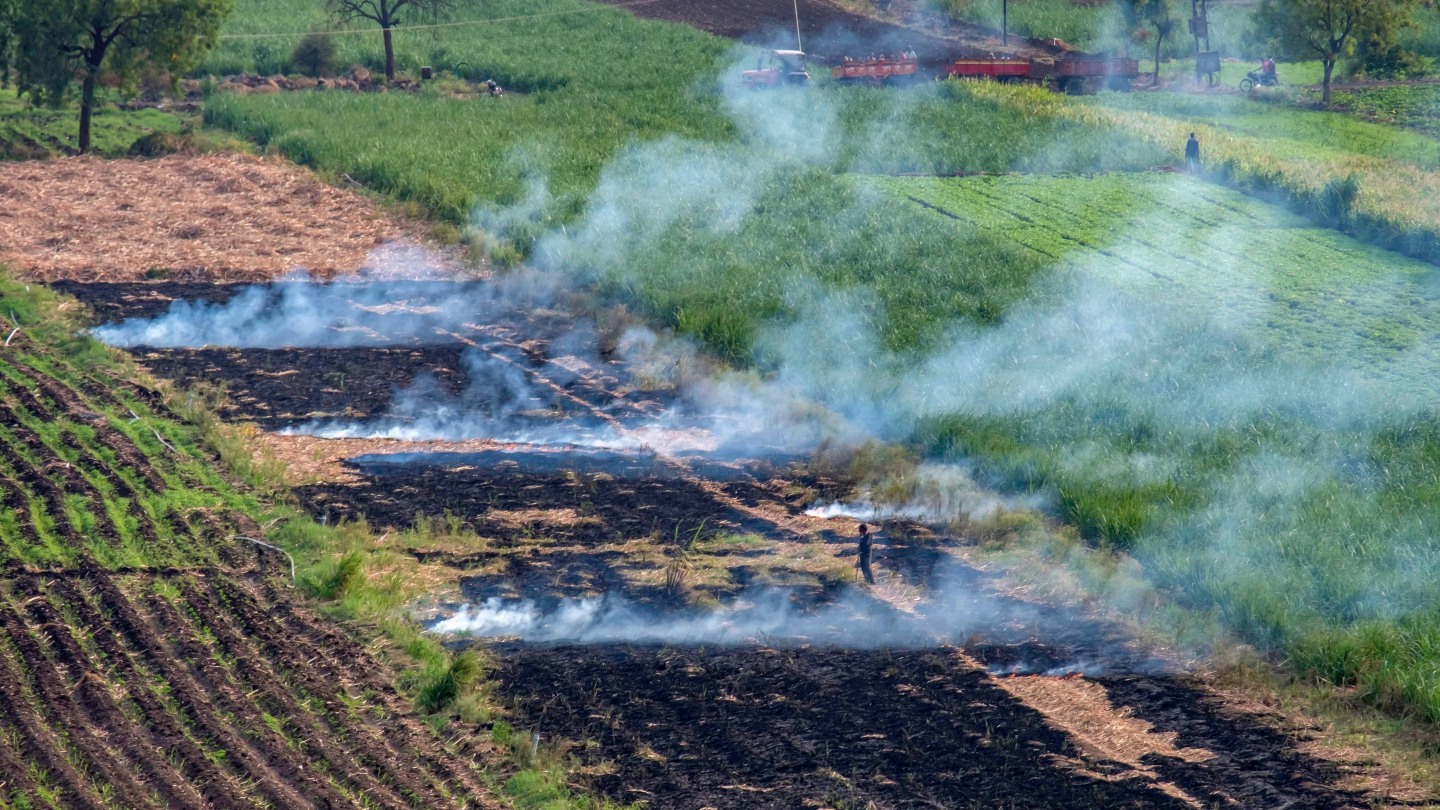
India, a nation with burgeoning energy demands and a significant agricultural footprint, faces the dual challenge of securing its energy future and mitigating severe environmental concerns, particularly agricultural residue burning. This new facility directly addresses these issues by converting an impressive 94,000 tonnes of agricultural and organic waste annually, including paddy straw and livestock manure, into compressed biogas and organic fertilizer. This innovative approach, utilizing anaerobic digestion technology, is projected to prevent over 100,000 tonnes of carbon dioxide equivalent emissions each year, while dramatically improving air quality for more than 700,000 residents across 640 villages. The biogas produced will directly feed into India’s city gas distribution network through long-term offtake agreements with industry giants GAIL India and Hindustan Petroleum Corporation Limited. For investors, these long-term contracts with state-backed entities provide a robust revenue foundation, de-risking the project and enhancing its appeal as a stable, domestically-focused energy asset.
Navigating Crude Volatility: The Imperative for Diversified Energy Investments
The strategic value of domestic renewable energy sources becomes even clearer when viewed against the backdrop of fluctuating global crude markets. As of today, Brent crude trades at $92.76, reflecting a 0.51% dip, with a daily range between $92.57 and $94.21. Similarly, WTI crude stands at $89.24, down 0.48%, fluctuating between $88.76 and $90.71. This follows a broader trend where Brent has seen a notable decline of $7.07, or 7%, over the past 14 days, moving from $101.16 on April 1st to $94.09 on April 21st. Such price volatility, coupled with geopolitical uncertainties, underscores the inherent risks in over-reliance on imported fossil fuels. For investors, the Indian biogas project represents a compelling opportunity to invest in an asset class that hedges against these external market forces. By supplying domestically produced renewable gas, it fortifies India’s energy independence and provides a more predictable revenue stream, distinct from the daily gyrations of the crude market.
Investor Sentiment and the Emerging Bioenergy Frontier
Our proprietary reader intent data reveals a consistent investor focus on market direction, with questions ranging from “is WTI going up or down?” to predicting the “price of oil per barrel by end of 2026.” While these inquiries highlight ongoing uncertainty in traditional oil markets, they also signal a growing appetite for understanding where to find stable returns and growth in a transitioning energy economy. This Indian biogas investment offers a tangible answer to such concerns. Instead of chasing short-term commodity price swings, investors can participate in projects with long-term structural tailwinds: robust government support for decarbonization, escalating local energy demand, and a clear environmental mandate. The predictability of long-term offtake agreements with major utilities provides a stark contrast to the speculative nature of crude price forecasts, positioning bioenergy as an attractive component of a diversified investment strategy for those looking beyond conventional oil and gas plays.
Upcoming Catalysts: Macro Trends and Micro Opportunities
The broader energy market will continue to be shaped by a series of upcoming events, offering crucial data points for investors. Over the next two weeks, the EIA Weekly Petroleum Status Reports (scheduled for April 22nd, April 29th, and May 6th) will provide critical insights into US crude inventories and demand. The Baker Hughes Rig Count, due on April 24th and May 1st, will signal future production trends, while the API Weekly Crude Inventory reports (April 28th and May 5th) will offer early indicators of market health. Perhaps most significant for forward-looking analysis will be the EIA Short-Term Energy Outlook on May 2nd, which will provide updated forecasts for global supply and demand. While these events primarily influence the fossil fuel complex, their outcomes indirectly reinforce the strategic value of investments like the Akaia Green Fuels project. As the global energy dialogue increasingly shifts towards decarbonization and energy independence, macro-level volatility in traditional markets only amplifies the appeal of resilient, localized, and sustainable energy solutions like India’s burgeoning biogas sector.


