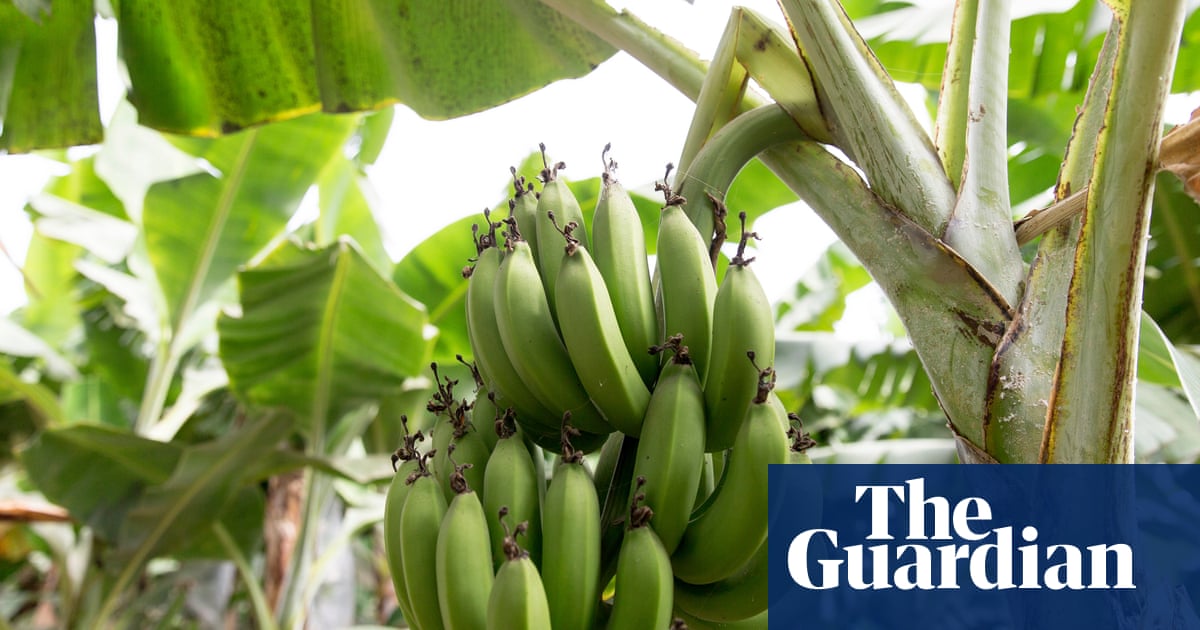
Global Food System Under Pressure: Banana Crisis Signals Deeper Economic Volatility
The intricate web of global commerce and the stability of supply chains face an escalating threat, as new research highlights the precarious future of one of the world’s most widely consumed fruits. Projections indicate that by 2080, an alarming two-thirds of the current banana cultivation areas across Latin America and the Caribbean may become unsuitable for growing the fruit. This forecast is not merely an agricultural concern; it represents a significant bellwether for wider economic stability, commodity price volatility, and the long-term investment landscape.
Factors such as escalating temperatures, increasingly frequent extreme weather events, and the proliferation of climate-related pests are already taking a severe toll on key banana-producing nations like Guatemala, Costa Rica, and Colombia. The resultant decline in yields is not only impacting rural communities that depend heavily on this crop but also sending ripples through international food markets. Such disruptions in fundamental commodity supplies can have profound implications for inflation, consumer purchasing power, and ultimately, the demand dynamics within the energy sector as economies adjust to new realities.
The Banana’s Central Role in the Global Food Economy
Bananas hold a surprisingly critical position in the global food matrix. Beyond being the planet’s most consumed fruit, they rank as the fourth most important food crop worldwide, trailing only wheat, rice, and maize. This underscores their fundamental role in global nutrition and food security. Approximately 80% of all bananas cultivated globally are destined for local consumption, serving as a dietary cornerstone for over 400 million people who rely on the fruit for a substantial 15% to 27% of their daily caloric intake.
Furthermore, the international trade in bananas is heavily concentrated. An estimated 80% of all bananas exported to supermarkets globally originate from the Latin American and Caribbean region. This area is notoriously vulnerable to the dual pressures of extreme weather phenomena and the insidious, slow-onset impacts of climate change. The concentration of supply in such a susceptible region introduces a significant single-point-of-failure risk into the global food system, a risk that investors tracking macroeconomic indicators and commodity trends must consider carefully.
Climate Change: A Direct Threat to Agricultural Productivity
The human-induced climate crisis directly undermines the optimal growing conditions required for bananas. The Cavendish variety, which constitutes the vast majority of global exports due to its favorable taste, transport resilience, and high yield, is particularly sensitive. These plants thrive within a narrow temperature band of 15°C to 35°C (59°F to 95°F) and demand precise hydration levels – not too much, not too little. They are also highly susceptible to severe storms, which can shred their broad leaves, drastically impeding their ability to photosynthesize and grow.
This inherent lack of genetic diversity within the dominant Cavendish strain makes the global banana supply chain exceptionally vulnerable to rapid environmental shifts. While hundreds of banana varieties exist, the industry’s reliance on a single cultivar for international trade amplifies the potential for widespread crop failure when faced with evolving threats. This situation serves as a stark reminder of the systemic risks embedded in highly optimized, yet genetically homogenous, agricultural supply chains.
Fungal Pathogens and Environmental Amplification
Beyond direct climatic impacts, the changing global climate actively contributes to the proliferation of devastating fungal diseases that are already decimating plantations and eroding farmer livelihoods. Black leaf fungus, for instance, can reduce a banana plant’s photosynthetic capacity by up to 80%. This pathogen thrives in moist conditions, making banana crops increasingly susceptible as rainfall patterns become more erratic and localized flooding intensifies.
An even more insidious threat is Fusarium Tropical Race 4 (TR4), a soil-borne microbe that is laying waste to entire Cavendish plantations across the globe. Rising temperatures and altered precipitation patterns are exacerbating the spread and virulence of this fungus, presenting an existential challenge to the industry. The combined assault from direct climatic stress and climate-amplified pathogens paints a grim picture for future yields and underscores the urgent need for innovative agricultural solutions and enhanced resilience strategies.
The human dimension of this crisis is palpable. As Aurelia Pop Xo, a 53-year-old banana grower from Guatemala, somberly recounted, “Climate change has been destroying our crops. This means no income, nothing to sell. My plantation has been dying. What we are witnessing is death.” Such personal accounts underscore the severe socio-economic disruption already underway in producing regions, which can lead to migration, instability, and broader economic distress, factors that ultimately influence global investment climates and energy demand patterns.
Broader Economic Ripples and Investment Implications
The potential collapse of a major global food commodity like bananas carries significant macroeconomic implications that extend far beyond agricultural markets. A substantial reduction in banana supply would inevitably lead to price spikes, contributing to food inflation and eroding consumer purchasing power, particularly in economies heavily reliant on imported produce. This inflationary pressure could necessitate central bank interventions, impacting interest rates and capital flows.
For investors focused on the energy sector, such widespread agricultural distress signals broader global economic instability. Reduced consumer spending, potential social unrest in affected regions, and shifts in international trade dynamics can all influence industrial activity and overall energy demand. Companies operating across the oil and gas value chain must increasingly factor in these complex, interconnected risks when evaluating long-term market forecasts and investment strategies. The resilience of global supply chains, whether for food or fuel, is now a critical metric.
Moreover, the crisis in banana production highlights the increasing importance of climate risk assessment in all investment decisions. While the direct link to oil and gas might seem distant, the systemic nature of climate change means that disruptions in one sector invariably ripple through others. Understanding the vulnerabilities in global food systems provides crucial insights into the broader health of the world economy and the potential for shifts in policy, technology, and consumer behavior that could impact energy transitions and market valuations.
Ultimately, the banana crisis serves as a potent reminder that the stability of global markets, including energy markets, is inextricably linked to environmental health and agricultural productivity. Diversifying investment portfolios, assessing climate resilience across all asset classes, and supporting innovation in sustainable agriculture and energy solutions are becoming paramount for navigating an increasingly volatile global economic landscape. The threats to a seemingly simple fruit underscore complex, interconnected challenges demanding comprehensive strategic responses from investors and policymakers alike.