The intensifying drumbeat for climate action in the United Kingdom is signaling a significant escalation in policy risk for the global oil and gas sector. Recent events in Westminster, marked by one of the largest climate lobbies in memory, underscore a growing public mandate for accelerated decarbonization that investors cannot afford to ignore.
Westminster Lobby Signals Mounting Policy Pressure
More than 5,000 individuals from across the UK converged on Westminster this past Wednesday, directly engaging their Members of Parliament to demand urgent action on climate change. This unprecedented mass lobby saw constituents – a diverse group including parents, pensioners, medical professionals, educators, farmers, and youth advocates – target an impressive 500 MPs, representing approximately 80% of the total parliamentary body. This direct, widespread engagement serves as a potent indicator of an evolving political landscape, where public sentiment translates swiftly into legislative pressure.
The scale and composition of this gathering are critical for financial analysts tracking energy policy. It highlights a deeply embedded concern across all demographics, moving beyond traditional environmental advocacy groups into the mainstream electorate. For oil and gas companies, this translates into a heightened probability of more stringent environmental regulations, accelerated timelines for emissions reductions, and potentially restrictive policies impacting future upstream investments.
The Awakening of the “Climate Silent Majority”
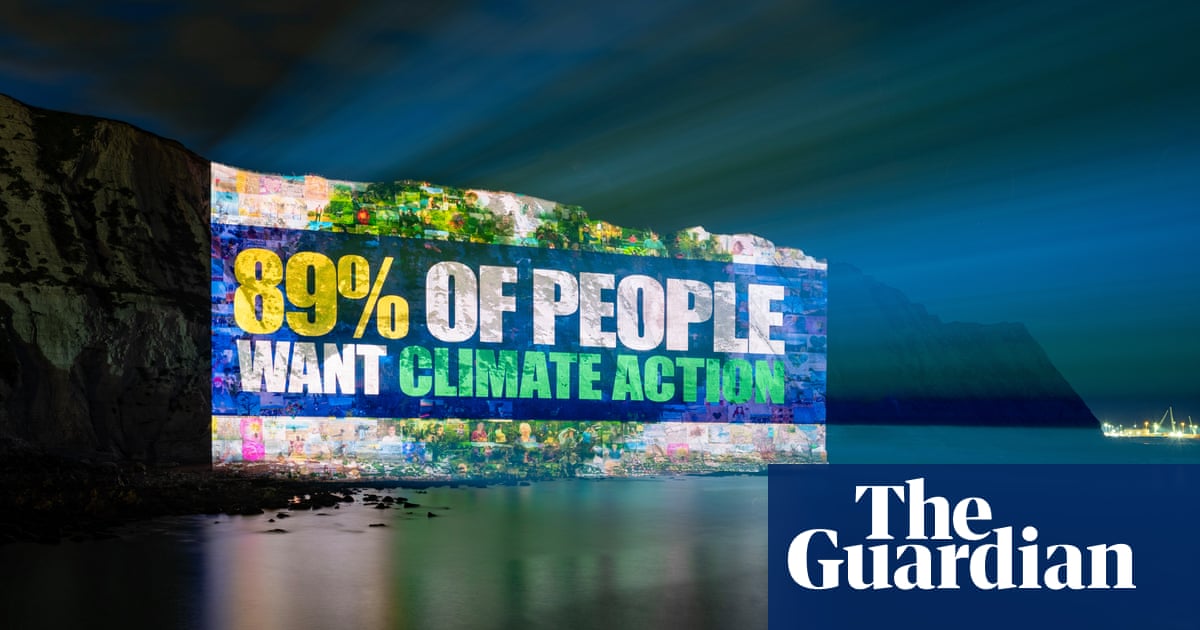
Adding weight to the physical demonstration, a striking image was projected onto the iconic white cliffs of Dover, declaring, “89% of people want climate action.” This visual stunt served to amplify a key finding reported earlier this year: a global “silent majority” – an estimated 89% of the populace – desires more robust climate action but mistakenly believes their views are isolated. New polling data shared in the UK further corroborates this phenomenon, revealing that while many British citizens support net-zero objectives, only one in ten regularly voice their environmental concerns.
This data point is particularly salient for investors. It suggests that while public discourse on climate action might sometimes appear niche or polarized, the underlying consensus for change is overwhelmingly strong. As this “silent majority” finds its voice, either through direct action or via organized campaigns, the political will for aggressive climate policies becomes increasingly solidified. This shift directly impacts the long-term viability and valuation of fossil fuel assets, posing a material risk to companies that fail to adapt their strategies.
The Dover projection itself was a mosaic, a vibrant green heart assembled from 1,500 photographs contributed by individuals showcasing what they cherish and wish to protect. These images ranged from a writer’s beloved tree felled by a storm, symbolizing the impact of climate change, to a parks manager’s natural sanctuary and an academic’s cherished family memories by the seafront. Such deeply personal connections underscore the emotional resonance and broad appeal of the climate movement, making it a force that political leaders will find increasingly difficult to resist.
Organized Power and Policy Demands
Behind the impressive turnout and striking imagery stands the Climate Coalition, a formidable network encompassing over 120 UK organizations and representing a staggering 22 million people. This alliance includes influential entities like the National Trust, the RSPB, and the Women’s Institute, signifying a broad-based, institutionalized push for change. This level of organization signals sustained advocacy, not a fleeting protest.
The demands presented to MPs are comprehensive and far-reaching: securing a “green future” to mitigate energy costs, stimulate job creation in sustainable industries, restore natural ecosystems, and provide aid to communities most vulnerable to climate change, both domestically and internationally. These are not merely environmental aspirations; they are economic and social policy prescriptions that, if adopted, would profoundly reshape the UK’s energy mix and industrial strategy. For oil and gas companies, this translates to potential policy frameworks favoring renewable energy development, stricter carbon pricing mechanisms, and potentially accelerated phasing out of fossil fuel subsidies or new licensing rounds.
Prominent figures, including broadcasters Konnie Huq and Stephen Fry, actors Brian Cox, David Harewood, and Bonnie Wright, and writers Ben Okri and Mark Haddon, lent their support to the lobby, further amplifying its message. Their involvement lends credibility and visibility, ensuring that the movement’s demands resonate across various media platforms and public spheres.
Executive Voices Echo the Imperative
Statements from key leaders further emphasize the urgency and mainstream acceptance of these demands. Helen Meech, Executive Director of the Climate Coalition, underscored the breadth of public concern, stating, “Right across the UK, people are stepping up to protect the things they love, from clean air and green spaces to secure jobs and warm homes. This is one of the biggest democratic moments for climate and nature in years and a chance to show that acting for our future is not just popular, it’s essential.” This sentiment signals that climate action is increasingly viewed not as a niche environmental issue, but as a central pillar of economic stability and public welfare.
Charlotte Howell, Co-Director of Parents for Future, articulated the intergenerational imperative, asserting, “As parents, our greatest priority is to keep our children safe and healthy, right now and in the future. We are making it clear to MPs that climate action isn’t optional, it’s critical.” This perspective highlights the long-term societal pressure for energy transition, framing it as a moral obligation that will continue to shape policy for decades.
Tanya Steele, WWF Chief Executive, framed the event as a pivotal moment for leadership: “Today’s mass lobby of MPs must be a turning point, a moment to show our leaders that we, their constituents, want to live in a country where people and nature can thrive together.” Such calls to action from influential NGOs indicate a sustained and strategic effort to drive policy change.
Investment Implications for Oil and Gas
For investors in the oil and gas sector, these developments are not merely headlines but direct indicators of rising policy risk. The sheer scale of public engagement, coupled with the organized power of the Climate Coalition and the broad support across society, suggests that the UK government will face increasing pressure to accelerate its net-zero commitments and implement more aggressive climate policies. This could manifest in several ways:
- **Accelerated Regulatory Scrutiny:** Increased pressure on new oil and gas exploration and production licenses, potentially leading to delays, stricter environmental conditions, or outright moratoriums.
- **Carbon Pricing Expansion:** A stronger push for higher carbon taxes or expanded emissions trading schemes, directly impacting the profitability of carbon-intensive operations.
- **Investment Diversion:** Government incentives and public funds are likely to be increasingly directed towards renewable energy, energy efficiency, and other green technologies, potentially reducing capital availability for fossil fuel projects.
- **Stranded Asset Risk:** The long-term value of existing oil and gas infrastructure and reserves faces greater uncertainty as the policy landscape shifts towards a decarbonized economy. Companies with high exposure to upstream assets and limited diversification will be particularly vulnerable.
- **Reputational and Social License Risk:** Continued public pressure could erode the social license to operate for companies perceived as laggards in the energy transition, impacting investor sentiment and access to capital markets.
The message from Westminster is clear: the demand for climate action is no longer a fringe movement but a powerful, mainstream force. Oil and gas companies and their investors must actively integrate these evolving political and social dynamics into their risk assessments and strategic planning. Proactive engagement with the energy transition, diversification into lower-carbon solutions, and robust decarbonization strategies are becoming not just prudent, but essential for long-term financial resilience in this rapidly changing global energy market.


