The Panama Canal: A High-Stakes Geopolitical Battleground for Energy Investors
The Panama Canal, an indispensable conduit for global maritime commerce, stands as a critical chokepoint for international energy shipments. For oil and gas investors, understanding the evolving political dynamics surrounding this strategic waterway is no longer optional; it is paramount. Shifting influence over the canal directly impacts shipping costs, supply chain resilience, and the broader landscape of global energy security, creating both risks and opportunities that demand close attention.
Recent developments underscore an escalating geopolitical struggle involving two global powerhouses: China and the United States. This strategic contest for influence over the Central American artery has significant implications for energy markets, particularly given the canal’s role in facilitating liquefied natural gas (LNG) and crude oil transit between oceans. Investors must recognize the heightened volatility this struggle introduces into the fundamental equations of energy supply and demand.
Major Shift: Key Ports Change Hands Amidst Rising Tensions
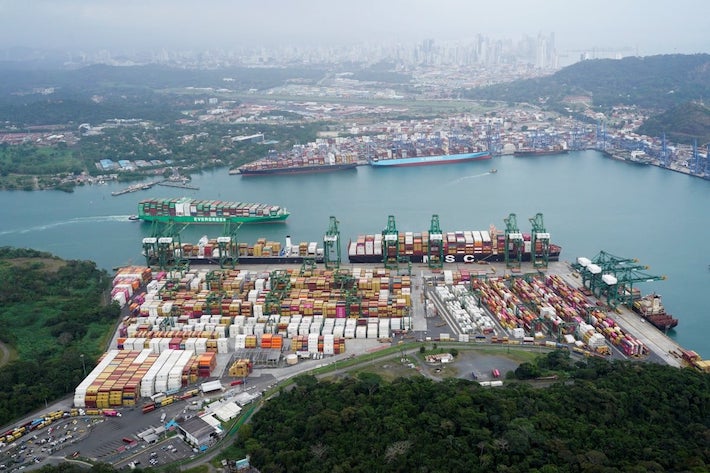
A pivotal shift in the operational control of vital Panamanian port infrastructure has recently unfolded, sparking international debate. Hong Kong-based conglomerate CK Hutchison concluded a massive $23 billion agreement to divest 43 ports globally, a deal that included two crucial facilities within Panama. The buyer, U.S. investment behemoth BlackRock, now assumes control, marking a significant rebalancing of influence in the region.
This transaction follows a period of aggressive efforts by the former U.S. administration, led by President Trump, to assert greater American influence over the canal’s surrounding infrastructure. The timing and nature of this divestment are clearly not coincidental. In response, a high-level Chinese delegation has reportedly arrived in Panama, signaling Beijing’s intent to closely scrutinize the situation and its potential ramifications for their strategic interests.
Beijing’s Strategic Concerns and BRI Repercussions
Beijing has made no secret of its displeasure regarding the CK Hutchison-BlackRock transaction. Chinese state media outlets swiftly launched a scathing campaign, characterizing the deal as a direct challenge to China’s strategic interests and its expanding global footprint. Reports suggest China aims to gain a comprehensive understanding of the situation on the ground and potentially influence a reversal of Panama’s recent decision to withdraw from its ambitious Belt and Road Initiative (BRI).
For China, maintaining control or significant influence over these Panamanian ports remains a critical objective. These facilities play an outsized role in global maritime trade, serving as vital nodes in China’s broader global infrastructure and energy supply chain strategy. Any perceived reduction in this influence could compel Beijing to re-evaluate its long-term trade routes and energy security provisions, potentially affecting shipping patterns and commodity flows for oil and gas across the Pacific.
Washington’s Firm Stance: Protecting a Vital American Interest
Despite China’s clear intent to counter these developments, any efforts to undo the BlackRock deal face considerable headwinds. The previous U.S. administration demonstrated an unwavering resolve, with President Trump reportedly directing the U.S. military to explore all available avenues, including potential force or legal challenges, to diminish China’s existing footprint in the crucial Central American waterway. This assertive stance underscores Washington’s determination to prevent any perceived foreign adversary from controlling infrastructure vital to American economic and national security.
From an investor’s perspective, this robust American posture introduces a layer of stability regarding Western supply chain security, particularly for energy moving through the canal. However, it also signifies the potential for heightened diplomatic, and even confrontational, tensions if China continues to press its agenda. The U.S. views control of these critical choke points as non-negotiable, given their foundational role in global trade and American military logistics.
International Repercussions and “Bullying” Allegations
The political fallout from this strategic jostling extends far beyond Washington and Beijing. Hong Kong’s leader, John Lee, publicly voiced strong opposition to what he termed “bullying” by foreign governments, specifically addressing the CK Hutchison port deal. Lee emphasized the Hong Kong government’s expectation for a “fair and just environment for enterprises” and condemned what he described as “abusive use of coercion or bullying tactics in international economic and trade relations.”
This political rhetoric gained significant traction, particularly after the former U.S. President lauded the deal as a success, having previously advocated for the Panama Canal’s removal from what he characterized as “Chinese control.” Other American politicians have consistently raised alarms, citing CK Hutchison’s previous operation of the ports as a significant security risk to the U.S. and its allies. For oil and gas investors, these accusations and counter-accusations highlight the politicization of critical infrastructure, adding layers of sovereign risk to investment decisions and supply chain planning.
Investor Outlook: Navigating Panama’s Geopolitical Currents
For oil and gas investors, the ongoing geopolitical contest over the Panama Canal demands continuous vigilance. This waterway is a vital transit point for LNG tankers from the U.S. Gulf Coast heading to Asian markets, and for various refined products and crude oil shipments. Disruptions or escalating tensions could lead to increased shipping costs due to higher insurance premiums, longer transit times if alternative routes are considered, or even significant market volatility if supply chains are perceived to be at risk.
The strategic re-alignment of port ownership towards a U.S. entity like BlackRock may offer a degree of comfort regarding the reliability of Western-aligned energy supply routes. However, China’s strong reaction indicates that this issue is far from settled. Investors should closely monitor diplomatic engagements, trade policy shifts, and any further infrastructure developments in the region. The Panama Canal remains a critical barometer for geopolitical risk in the energy sector, and discerning investors will factor its evolving status into their portfolio strategies and risk assessments for the foreseeable future.