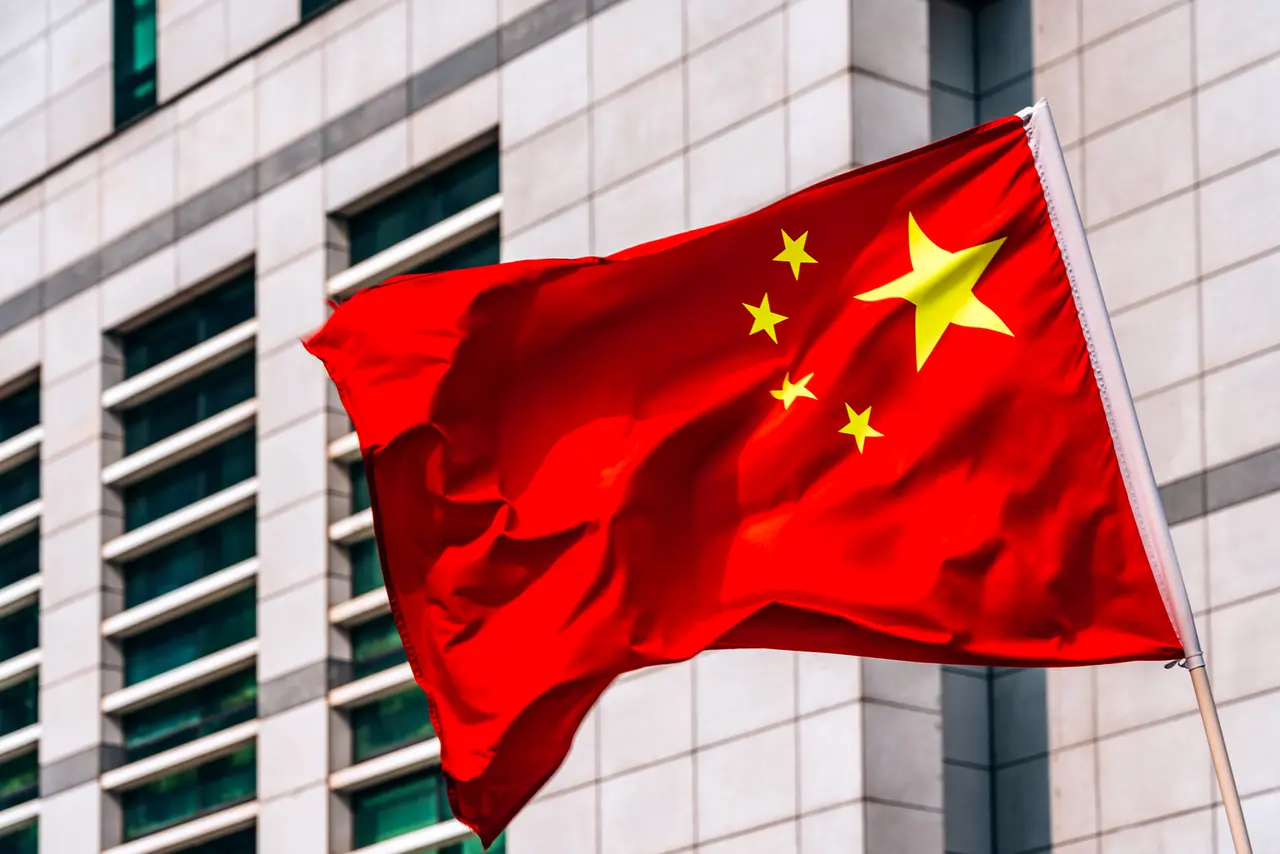
China’s strategic pivot towards attracting global capital for its green economy initiatives marks a significant development for energy investors worldwide. The recent launch of a pilot program designed to channel overseas funds into low-carbon projects through expanded cross-border financing limits for non-financial enterprises is a clear signal of Beijing’s commitment to decarbonization. This initiative, spanning 16 provincial-level regions and cities, including economic powerhouses like Beijing and Shanghai, isn’t merely about environmental stewardship; it’s about reshaping future energy demand, fostering new investment avenues, and influencing the long-term trajectory of global energy markets. For investors accustomed to traditional oil and gas plays, understanding these evolving capital flows is critical for navigating the complexities of a rapidly transitioning energy landscape.
China’s Green Debt: Unlocking New Capital Inflows for Decarbonization
The State Administration of Foreign Exchange (SAFE) has embarked on a bold venture, initiating a pilot program that fundamentally alters how China seeks to finance its green transition. By encouraging non-financial enterprises to direct cross-border financing into qualified green and low-carbon projects, China is effectively opening a new conduit for foreign capital. This program simplifies services related to foreign debt and, crucially, expands the upper limit on cross-border financing for such green investments. This move is not just a regulatory tweak; it’s a strategic embrace of international capital markets to accelerate China’s decarbonization agenda, cementing its role as a key player in sustainable finance. For investors, this creates direct opportunities in areas like renewable energy infrastructure, green manufacturing, and sustainable technology development within China, regions that were previously harder to access for foreign debt financing. The sheer scale across 16 diverse regions suggests a broad and sustained demand for capital, offering diversified entry points for global funds.
Navigating Today’s Volatile Energy Landscape Amidst Green Shifts
This strategic move by China unfolds against a backdrop of considerable volatility in global energy markets. As of today, Brent Crude trades at $90.38, reflecting a significant daily decline of 9.07%, with its day range spanning $86.08 to $98.97. WTI Crude mirrors this downturn, priced at $82.59, down 9.41% within a day range of $78.97 to $90.34. Gasoline prices are also feeling the pressure, currently at $2.93, a 5.18% drop today. This sharp contraction isn’t an isolated event; Brent has seen a substantial downward trend over the past two weeks, falling from $112.78 on March 30th to $91.87 on April 17th, representing an 18.5% decrease. This pronounced market correction, influenced by various global factors, underscores the inherent risks and opportunities in the energy sector. For China, attracting green capital now could be seen as a strategic hedge, diversifying its energy future away from volatile fossil fuel markets while simultaneously strengthening its domestic low-carbon industries. Investors must weigh the immediate market pressures on traditional oil and gas against the long-term, government-backed growth trajectory of China’s green economy.
Investor Questions: Deciphering Oil’s Future Amid Green Transitions
Our proprietary reader intent data reveals a consistent theme among investors: a keen interest in the long-term trajectory of oil prices and the influence of major producers. Specifically, many are asking, “What do you predict the price of oil per barrel will be by end of 2026?” and “What are OPEC+ current production quotas?” China’s aggressive push for green debt financing directly impacts these questions. By actively channeling capital into low-carbon projects, China signals a future where a significant portion of its energy demand will be met by renewables, potentially dampening long-term oil demand growth. While immediate impacts on crude prices might be limited, the cumulative effect of such initiatives by the world’s largest energy consumer cannot be overstated. A successful green transition in China could fundamentally alter the demand side of the global oil equation, putting downward pressure on prices over the medium to long term. This potential shift forces OPEC+ to continuously re-evaluate its production strategies and quotas, aiming to balance market stability against evolving global consumption patterns. Investors seeking to predict oil prices for 2026 and beyond must integrate the accelerating pace of global decarbonization, particularly from major economies like China, into their models.
Forward Outlook: Key Events and Their Impact on Green Capital Flows
The coming weeks present several critical junctures that could influence the broader energy investment landscape, indirectly impacting the success and attractiveness of China’s green debt program. This weekend, the OPEC+ Joint Ministerial Monitoring Committee (JMMC) meets on April 18th, followed by the Full Ministerial Meeting on April 19th. These meetings are pivotal for setting production policy and signaling the cartel’s stance on market stability. A decision to maintain or adjust current production quotas will directly affect crude oil prices, which in turn influences the economic competitiveness of green energy alternatives. If oil prices remain subdued or further decline following OPEC+ decisions, it could enhance the appeal of investing in renewable projects, making China’s green financing program even more attractive to global capital seeking stable, policy-backed returns. Furthermore, the API Weekly Crude Inventory reports on April 21st and 28th, alongside the EIA Weekly Petroleum Status Reports on April 22nd and 29th, will provide crucial insights into short-term supply and demand dynamics in major markets. These reports, combined with the Baker Hughes Rig Count on April 24th and May 1st, offer a snapshot of upstream activity. While these are traditional oil and gas indicators, their impact on investor sentiment and capital allocation decisions is undeniable. A robust or declining traditional energy sector performance could either divert capital towards or away from burgeoning green opportunities, making these upcoming events highly relevant for those evaluating China’s green debt initiative.
Strategic Implications for Global Energy Portfolios
China’s green debt program is more than just a domestic policy; it’s a strategic move with profound implications for global energy portfolios. By actively inviting foreign capital into its decarbonization efforts, China is not only addressing its environmental goals but also creating a significant new asset class for international investors. For traditional oil and gas investors, this signals a need for portfolio diversification and a nuanced understanding of demand-side risks. While immediate oil demand isn’t disappearing, the accelerated transition in a market the size of China will inevitably reshape long-term projections. Opportunities emerge not only in direct green investments within China but also in companies globally that are positioned to benefit from or contribute to this transition, such as those in renewable technology, energy storage, or sustainable infrastructure. The balance of “openness and security” pledged by SAFE suggests a measured yet determined approach, aiming to attract capital while maintaining stability. Investors must now assess how this new capital floodgate impacts their existing energy exposures and where new growth opportunities lie in the rapidly evolving global energy matrix.


