China’s recent pledge to cut economy-wide net greenhouse gas emissions by 7–10% from peak levels by 2035 marks a structural shift towards absolute reductions, a notable development ahead of COP30. However, for oil and gas investors, a deeper dive into the specifics reveals an ambition that may fall short of truly impacting global oil demand in a transformative way over the next decade. While any move towards decarbonization from the world’s largest emitter is significant, the cautious nature of this target, coupled with China’s ongoing energy needs, suggests a slower demand erosion for hydrocarbons than some might anticipate. This nuanced outlook could provide a degree of stability for oil prices, even amidst broader market volatility, by signaling that a major demand driver won’t be aggressively pulling back its fossil fuel consumption too quickly.
China’s Modest Target: A Floor, Not a Ceiling for Oil Demand
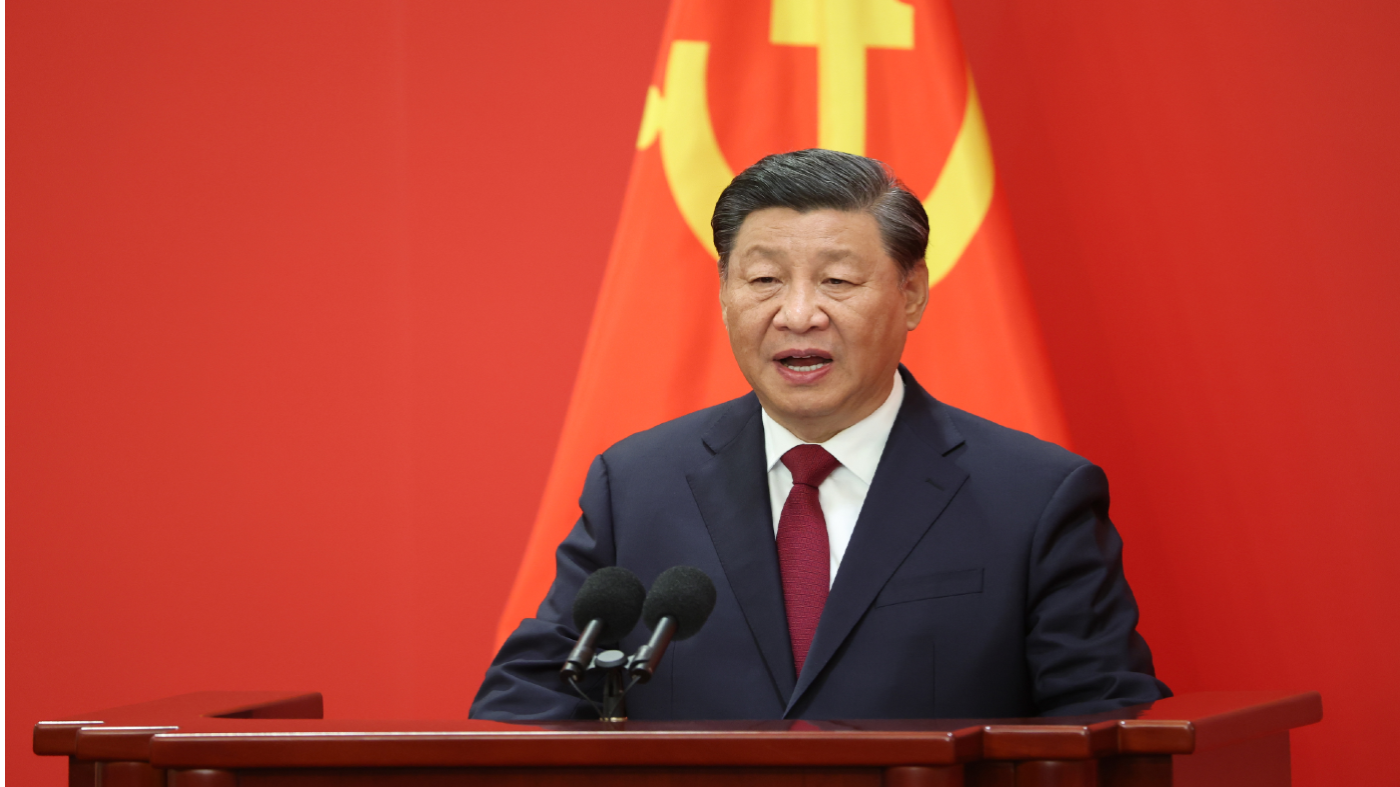
President Xi Jinping’s announcement of a 7-10% absolute emissions cut by 2035, with a stated aim to “strive to do better,” has been met with a mixture of welcome and skepticism from climate analysts. Experts quickly flagged this ambition as insufficient for aligning with a 1.5°C global warming pathway, with some suggesting a 30% reduction would be more appropriate. This expert consensus, framing the current pledge as a “floor, not the ceiling,” is a crucial signal for oil investors. It implies that China, while progressing, is setting a conservative target that leaves significant room for continued, if not growing, reliance on traditional energy sources to power its vast economy. For the oil market, this translates into less immediate pressure from the world’s largest energy consumer to rapidly curb demand. The flexibility inherent in measuring reductions from an “unspecified peak” further underscores a cautious approach, allowing China ample maneuvering room to balance economic growth with environmental commitments, thereby mitigating any drastic, policy-driven decline in oil consumption.
Market Volatility and China’s Underlying Demand Resilience
The oil market has recently demonstrated significant volatility, presenting both challenges and opportunities for investors. As of today, Brent crude trades at $90.38 per barrel, marking a notable 9.07% decline, with prices ranging between $86.08 and $98.97. WTI crude similarly saw a sharp drop, sitting at $82.59, down 9.41% within a day range of $78.97 to $90.34. This recent downturn follows a broader trend, with Brent having fallen by $20.91, or 18.5%, from $112.78 on March 30th to $91.87 just yesterday. Despite these sharp corrections, the underlying demand fundamentals, significantly influenced by China’s energy strategy, remain a critical support. When investors consider these price movements, the less aggressive climate targets from China suggest that a major driver of global demand will not be actively pursuing a rapid transition away from oil in the short to medium term. This resilience in demand outlook, despite price fluctuations, provides a potential floor for crude values and informs long-term investment strategies.
Addressing Investor Concerns: The Pace of China’s Energy Transition
Investors are consistently seeking clarity on long-term oil price trajectories, as evidenced by frequent questions like, “What do you predict the price of oil per barrel will be by end of 2026?” China’s new emissions pledge offers vital context. While the plan includes ambitious goals such as expanding wind and solar capacity to more than six times 2020 levels and making electric vehicles mainstream in new car sales, the persistent role of coal in its power system presents a significant overhang. This “coal’s overhang” means that despite rapid advancements in clean energy, China’s total energy consumption will not pivot overnight. The commitment to a relatively modest 7-10% absolute cut, alongside an unspecified “peak” year for emissions, indicates a measured approach to decarbonization that prioritizes energy security and economic stability. For oil investors, this implies that while clean energy will grow, the demand for oil in sectors like heavy transport, aviation, and petrochemicals, where alternatives are less developed, will likely persist, albeit with slower growth. This gradual transition pace from the world’s largest energy consumer provides a more predictable, albeit less rapidly declining, demand curve for oil over the coming decade than a more aggressive climate target would imply, directly influencing future price expectations.
Upcoming Events: Geopolitics, Supply Management, and China’s Role
The implications of China’s climate stance will reverberate through upcoming energy events, shaping decisions that directly impact global oil markets. Investors will be keenly watching the OPEC+ meetings, with the Joint Ministerial Monitoring Committee (JMMC) convening tomorrow, April 18th, followed by the Full Ministerial meeting on April 19th. These gatherings are crucial for determining future production quotas, and the less aggressive demand destruction implied by China’s 2035 target could influence OPEC+’s calculus. A stable, albeit slower, demand outlook from China might give the cartel more flexibility in managing supply to maintain market stability. Furthermore, the weekly API Crude Inventory and EIA Petroleum Status Reports on April 21st/22nd and April 28th/29th, alongside the Baker Hughes Rig Count on April 24th and May 1st, will offer critical insights into immediate supply-demand dynamics. If China’s demand holds steadier than a more ambitious climate pledge would suggest, these supply-side metrics become even more pivotal in forecasting short-term price movements. China’s cautious approach ahead of COP30 also sets a precedent that could temper global climate ambitions, indirectly supporting the long-term viability of fossil fuel investments by reducing the likelihood of a coordinated, aggressive global pivot away from hydrocarbons.


