The latest data from China’s energy sector reveals a complex landscape for global investors, with April’s fossil fuel production retreating from the record highs established in March. Despite this monthly dip, crucial year-on-year gains across natural gas, crude oil, and coal underscore Beijing’s unwavering commitment to bolstering its domestic energy security, even amidst a volatile commodity price environment.
For savvy investors monitoring global supply chains and energy markets, these figures offer a critical lens into China’s strategic priorities. The nation continues to navigate the intricate balance between ensuring stable domestic supply and responding to market signals, a dynamic that profoundly influences international oil, gas, and commodity futures.
Upstream Resilience: China’s Oil and Gas Push
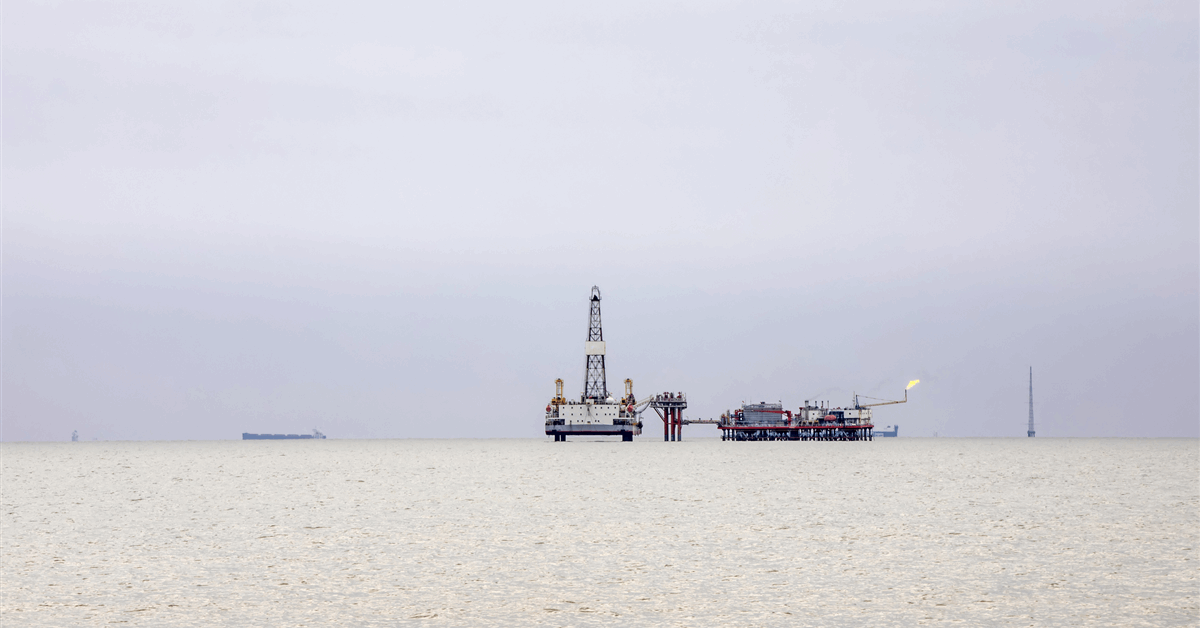
China’s drive for energy independence is clearly reflected in its upstream performance. Natural gas output surged by an impressive 8.1 percent year-on-year in April, reaching a robust 21.5 billion cubic meters. This consistent growth highlights significant investments in domestic exploration and production, critical for a nation that is both a colossal consumer and increasingly focused on reducing reliance on external sources. The strategic importance of natural gas, not just as a fuel but as a cornerstone of industrial activity and cleaner energy transition efforts, ensures sustained governmental support for its expansion.
Similarly, crude oil production registered a 1.5 percent increase compared to the previous year, with April volumes hitting 17.7 million tons. While not as dramatic as the gas sector’s expansion, this steady rise in domestic oil output is a testament to the national oil companies’ efforts to maximize indigenous resources. For global oil and gas investors, China’s sustained domestic production means a nuanced impact on import demand, influencing tanker rates, refining margins, and overall crude price stability. It suggests that while China remains the world’s largest oil importer, its incremental domestic supply acts as a buffer against geopolitical shocks and price volatility, a key element of its national strategy.
Coal’s Shifting Dynamics: Security Meets Market Reality
The coal sector presents a more intricate picture. April saw production climb 3.8 percent year-on-year to 389 million tons, yet this figure represented a notable decrease of 51 million tons from March’s output. This month-on-month contraction offers a glimpse of the pressures facing domestic miners, who are grappling with a significant slump in coal prices to four-year lows. The divergence highlights China’s dual challenge: maintaining sufficient coal supply for energy security, particularly for its vast industrial base, while simultaneously managing the economic realities of falling commodity prices and growing environmental considerations.
For commodity traders and energy sector investors, the situation in China’s coal market is a bellwether. The government’s implicit support for production to ensure supply stands in contrast to the market-driven pressures on profitability. This creates a delicate balance, where policy interventions can rapidly alter market dynamics, affecting global coal benchmarks and the operational viability of mining enterprises both within China and internationally. Monitoring Beijing’s stance on coal production, particularly in response to price fluctuations, remains paramount for those invested in the thermal and metallurgical coal markets.
Downstream and Industrial Sector Insights
Beyond primary energy extraction, China’s downstream and heavy industrial sectors also showed notable shifts in April. Crude oil processing experienced a 1.4 percent decline, primarily attributed to seasonal maintenance activities at refining units. This cyclical downtime is a common occurrence in the refining industry globally, impacting short-term demand for crude oil and influencing refined product inventories. Investors should factor these maintenance schedules into their models for global refining capacity and product supply, as China’s refining prowess holds significant sway over regional and international fuel markets.
In the industrial metals arena, crude steel output flattened in April, also impacted by maintenance. More significantly, the sector anticipates outright production cuts in the coming months. This move aligns with Beijing’s stated objective to alleviate a domestic steel glut, a policy decision with far-reaching implications for global steel prices, iron ore demand, and the overall health of the construction and manufacturing sectors worldwide. Investors in mining companies, particularly those supplying raw materials to China’s steel mills, must closely watch these policy-driven supply adjustments.
Conversely, aluminum output demonstrated robust growth, increasing by 4.2 percent and even hitting a record on a daily basis. This expansion was largely driven by smelters capitalizing on falling feedstock costs, a direct benefit from the broader downturn in energy prices. The aluminum sector’s performance underscores how cost efficiencies can stimulate production, offering positive signals for investors in base metals and related industries, especially those linked to electric vehicle production and other high-growth sectors where aluminum is a critical component.
Investor Implications: Navigating China’s Energy Crossroads
For astute oil and gas investors, China’s April energy figures offer several key takeaways. The nation’s persistent focus on enhancing domestic supply, despite weaker commodity prices, signals a long-term strategic commitment to energy security. This means that while global markets remain sensitive to Chinese demand shifts, the growth in indigenous production could temper the magnitude of future import surges, influencing price ceilings for crude oil and natural gas.
The nuanced performance across different energy commodities highlights the complexity of China’s energy transition and industrial policy. Natural gas continues to be a growth story, suggesting opportunities in LNG infrastructure, gas-fired power generation, and related technologies. Coal, while facing price headwinds, remains strategically vital, implying that investments in more efficient and cleaner coal technologies might still find a niche.
Furthermore, the policy-driven adjustments in steel production, contrasted with the cost-advantage-driven expansion in aluminum, provide clear signals for industrial commodity markets. Investors with exposure to iron ore, coking coal, and base metals should meticulously track China’s industrial policies and demand forecasts, as they remain primary determinants of global prices and market balances. The seasonal nature of refining maintenance also reinforces the importance of understanding global turnaround schedules when forecasting product margins and inventory levels.
Conclusion
China’s energy sector remains a pivotal force in global commodity markets. April’s production data, while showing a monthly moderation from peak levels, firmly reiterates the nation’s strategic imperative for energy self-sufficiency and supply resilience. For investors, understanding the interplay between Beijing’s long-term policy objectives, short-term market dynamics, and specific commodity price pressures is essential. The ongoing evolution of China’s energy landscape promises both challenges and opportunities, demanding a vigilant and informed approach to navigating its profound impact on global oil, gas, and industrial commodity investments.