Proposed China Port Fees Threaten US Energy Export Dominance, Squeezing Investor Margins
A brewing trade dispute over maritime shipping, stemming from a proposal to impose substantial fees on vessels with ties to China’s shipbuilding industry, is sending shockwaves through America’s crucial energy export sectors. While proponents suggest this policy aims to invigorate domestic maritime construction, its immediate impact looms large over US oil, natural gas, and coal producers, threatening to drastically curtail available shipping capacity and inflate critical logistics costs. For investors keenly watching the global energy landscape, this development introduces significant uncertainty and potential erosion of profitability for US-based energy assets.
At the heart of this contentious issue lies a draft executive order, heavily influenced by a US Trade Representative (USTR) proposal. This directive seeks to levy a hefty charge, estimated at approximately $1.5 million, on vessels either constructed in China or belonging to fleets that include China-made ships. The explicit intent behind this substantial financial imposition is to redirect trade flows towards US-built and US-flagged commercial vessels. However, major exporters and transportation providers are warning that this measure could inadvertently create a severe bottleneck, stifling the efficient movement of American energy commodities destined for international markets. This policy shift could fundamentally alter the competitive dynamics for US energy exports, making them less attractive on the global stage.
Coal Sector Faces Immediate Crisis and Dire Financial Outlook
The repercussions of this proposed fee structure are already proving dire for US coal exports. Ernie Thrasher, CEO of Xcoal Energy & Resources, a prominent player in the coal market, articulated the immediate fallout in a pointed letter dated March 12 to US Department of Commerce Secretary Howard Lutnick. Thrasher’s urgent communication highlighted that vessel owners are already demonstrating reluctance, refusing to provide future offers for US coal shipments in anticipation of the proposed USTR fees. The financial implications are staggering: Thrasher projected that implementing these charges could effectively bring US coal exports to a standstill within a mere 60 days, jeopardizing a colossal $130 billion worth of annual shipments.
Furthermore, the detailed financial analysis presented by Thrasher underscored the severe economic burden. He indicated that the proposed fee structure could inflate the delivered cost of US coal by an astounding 35%. Such an increase would render American coal fundamentally uncompetitive in the global marketplace, directly impacting its market share and profitability. The economic tremors are already reaching deep into coal-producing regions; Chris Hamilton, CEO of the West Virginia Coal Association, reported that mines within the state are actively preparing for potential layoffs as unsold coal inventories continue to accumulate. This signals a tangible and immediate threat to direct and indirect employment, highlighting the far-reaching economic consequences for investors in the region’s infrastructure and labor market.
Broader Energy Export Headwinds for Oil, LNG, and Refined Products
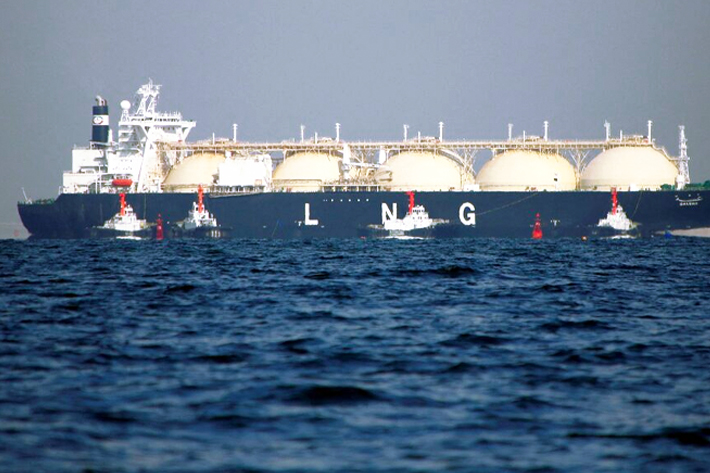
The potential for disruption stemming from these proposed shipping fees extends far beyond the coal industry, casting a long shadow over the broader US energy complex. This includes the rapidly expanding liquefied natural gas (LNG) export sector, crude oil shipments, and refined petroleum products. The American Petroleum Institute (API), a powerful advocacy group representing the oil and gas industry, voiced these critical concerns in comprehensive comments submitted to the USTR on March 10. The industry body emphatically underscored how such punitive fees could severely impede America’s capacity to efficiently transport these vital energy commodities to international buyers, thereby undermining years of strategic investment in export infrastructure.
For investors with exposure to the global energy market, this policy introduces a significant layer of uncertainty into the supply chain. Elevated shipping costs directly erode the profitability margins of US energy exports, potentially rendering them less attractive and competitive against alternative sources from other producing nations. This could lead to a re-evaluation of US energy projects, particularly those reliant on global export markets, such as new LNG liquefaction terminals or crude oil export facilities. The API emphasized that the US has invested billions in building out this export capacity, turning the nation into a net energy exporter and a critical supplier to global allies. Jeopardizing this hard-won position through increased logistical costs could have profound geopolitical and economic consequences, impacting energy security and market stability worldwide.
Investment Implications and Market Volatility
Investors in US energy companies, particularly those with significant export operations, must closely monitor these policy developments. The proposed fees represent a material increase in operational costs that could depress earnings, reduce cash flow, and ultimately affect shareholder value. Companies engaged in maritime logistics, port operations, and shipping also face direct exposure to these regulatory changes. Furthermore, the potential for reduced US energy exports could shift global supply dynamics, influencing international commodity prices and creating volatility in energy markets.
The long-term implications could see a reallocation of capital away from US export-focused energy projects towards regions with more favorable logistical environments. This policy risks undermining America’s strategic role as a stable and reliable energy supplier, potentially empowering competitor nations. As stakeholders continue to engage with policymakers, the trajectory of this proposal will be a critical factor for anyone investing in the US energy sector and the broader global commodity landscape. The coming months will be crucial in determining whether these proposed fees become a costly reality for America’s energy export ambitions and the investors who back them.