The intricate dance of global trade diplomacy is taking a notable turn, with Beijing signaling a softening stance towards Washington amidst growing domestic economic anxieties. For investors closely monitoring the pulse of the global energy market, this shift in China’s trade rhetoric is a critical development, potentially influencing everything from crude oil demand forecasts to the long-term outlook for petrochemical investments. The underlying impetus for this change appears to be a profound concern within Chinese leadership regarding the severe economic repercussions of sustained U.S. tariffs, particularly the specter of widespread job losses that could reach into the tens of millions.
Mounting Economic Pressure and Employment Crisis
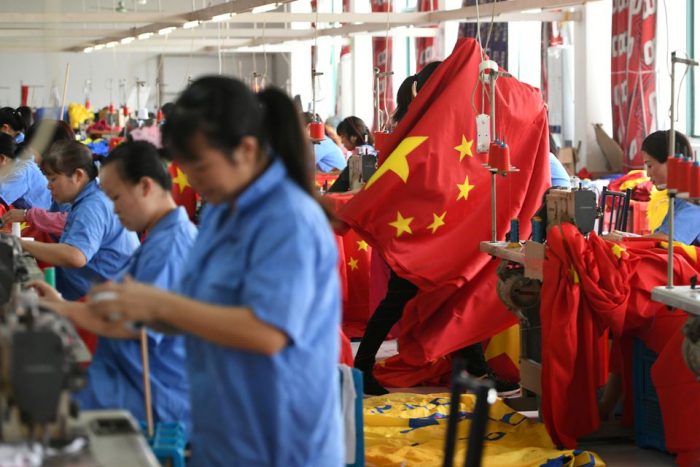
Internal assessments within China reveal a deepening apprehension about the impact of Washington’s trade levies across several key manufacturing sectors. Reports indicate that industries such such as furniture, toy-making, and textiles are feeling the brunt of these tariffs, struggling to maintain production levels and retain market share. Authorities are reportedly in a state of heightened vigilance, closely tracking factory closures and the resultant job displacement. Companies are confronting immense pressure to stave off bankruptcies and urgently pivot their sales strategies away from the once-reliable American market, seeking alternative avenues for their exports.
This domestic economic strain directly translates into a significant concern for the energy sector. China, as the world’s largest energy consumer, drives a substantial portion of global demand for crude oil, natural gas, and refined products. A slowdown in its industrial output, fueled by trade disputes and manufacturing distress, inevitably dampens energy consumption. Investors in upstream oil and gas, as well as refining and petrochemicals, must closely track these indicators, as a weakened Chinese economy could lead to lower commodity prices and reduced margins across the energy value chain.
Strategic Isolation and Diplomatic Reset
Beyond the immediate economic impact, Beijing is reportedly grappling with the strategic implications of its trade standoff. There is a palpable concern that China risks being sidelined from crucial global trade dialogues if it maintains an intransigent posture. The Trump administration has proactively engaged with other key Asian economies, initiating bilateral trade negotiations with nations like India, Japan, Korea, and Vietnam. This strategic outreach by Washington could leave China at a disadvantage, potentially eroding its influence in regional and global trade frameworks. Such geopolitical maneuvering adds another layer of complexity for energy investors, as shifts in regional alliances and trade flows can impact energy infrastructure development and long-term supply contracts.
A subtle but distinct recalibration in diplomatic tone has been observed over the past week to ten days. Initially, following the imposition of significant U.S. tariffs last month, Beijing responded with a defiant show of force. State and social media platforms were utilized to invoke images of Mao Zedong, condemning “imperialists” and projecting an image of unwavering resolve against what it framed as bullying tactics. The message was clear: China would not capitulate. However, behind closed doors, a different narrative was unfolding. Senior Chinese officials have reportedly grown increasingly alarmed by the escalating economic fallout and the risk of international isolation as Washington builds new trade relationships.
Behind the Scenes: Diplomacy and Friction
This growing internal alarm, coupled with overtures from the U.S. side and a noticeable tempering of President Trump’s rhetoric, ultimately paved the way for a high-level engagement. These factors collectively persuaded Beijing to dispatch its economic tsar, He Lifeng, for discussions with U.S. counterparts in Switzerland. Such high-stakes diplomatic exchanges, even when fraught with tension, are crucial for de-risking global markets and offering some stability to commodity prices.
The path to re-engagement, however, was not without its complexities. Diplomatic relations between Washington and Beijing have been characterized by a fragile and often fractious dynamic. Notably, a letter dispatched by the U.S. to Chinese ministries in late April concerning fentanyl was perceived by Beijing as “arrogant,” further complicating early efforts to establish dialogue. Additional hurdles included disagreements over the appropriate level and identity of officials who should participate in initial talks. These nuanced diplomatic challenges underscore the delicate balance required to navigate the world’s most significant bilateral relationship, with direct implications for global trade and, consequently, global energy demand.
Implications for Global Energy Markets and Investors
For investors focused on the oil and gas sector, the evolving U.S.-China trade dynamic is paramount. Any de-escalation or successful negotiation could inject renewed confidence into global industrial output, particularly in China’s manufacturing heartland. This, in turn, would provide a crucial boost to demand for crude oil, natural gas, and a wide array of refined products, including those used in the extensive petrochemical supply chains. Conversely, a failure to reach a meaningful agreement, leading to a protracted trade war and deeper economic malaise in China, would undoubtedly exert downward pressure on global energy prices and dampen investment sentiment across the upstream, midstream, and downstream segments.
The geopolitical ramifications are equally significant. A more stable U.S.-China trade relationship tends to reduce the “geopolitical risk premium” often embedded in crude oil prices, potentially leading to more predictable market conditions. However, the intricate web of global supply chains, energy security concerns, and the ongoing competition for influence in key energy-producing regions remain critical considerations for any comprehensive energy investment strategy. China’s Vice Foreign Minister Hua Chunying recently expressed full confidence in Beijing’s capacity to manage U.S. trade issues, a statement that, while outwardly reassuring, reflects the underlying pressure and the complex strategic calculus at play. Energy investors must remain acutely attuned to every development, as the outcome of these trade talks will reverberate throughout commodity markets for years to come.