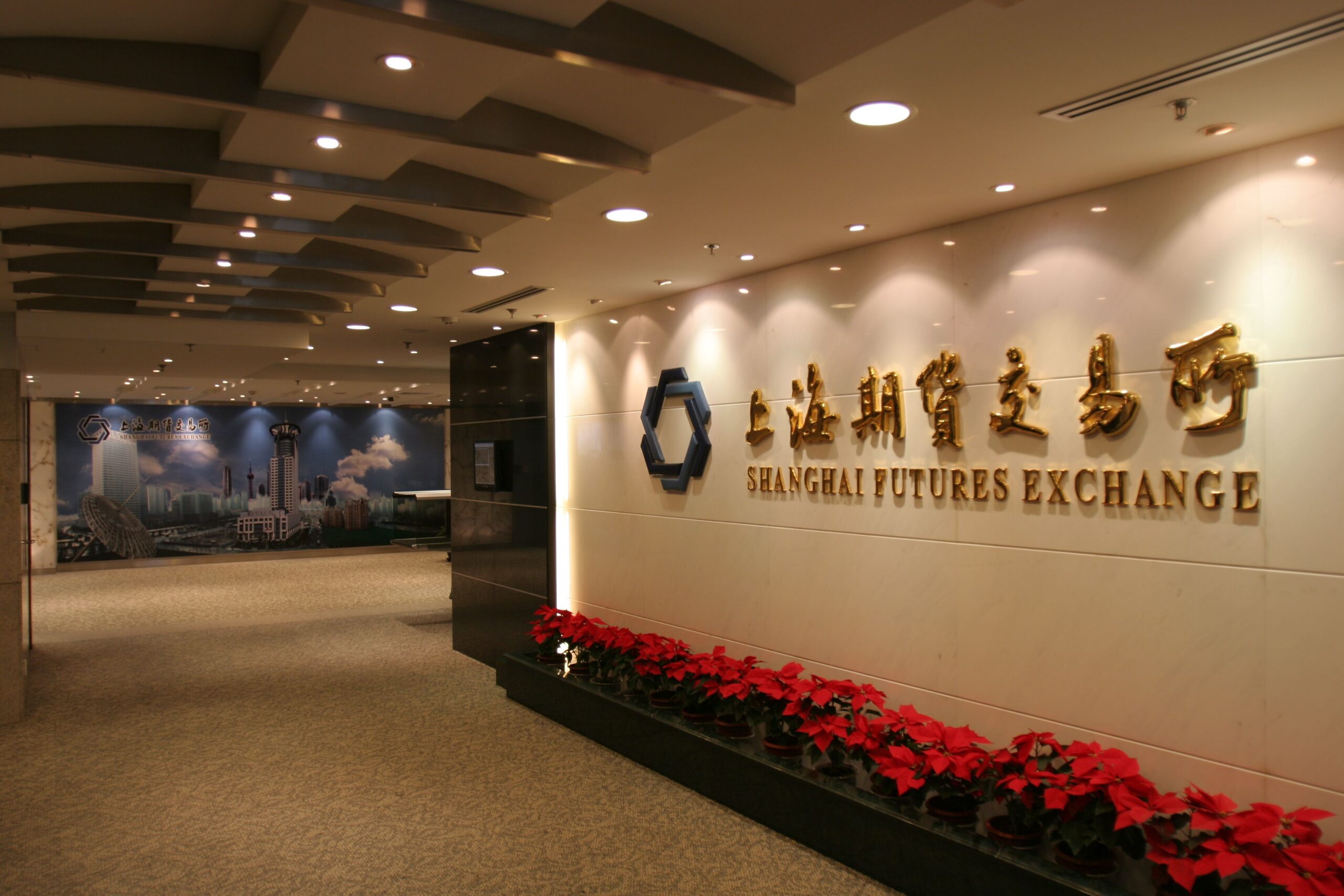
The landscape of global financial markets is undergoing a profound transformation, with sustainability becoming an increasingly central tenet for investors and exchanges alike. In a landmark development signaling China’s deepening commitment to green finance, the Shanghai Futures Exchange (SHFE) and the Shanghai International Energy Exchange (INE) have officially joined the United Nations Sustainable Stock Exchanges (UN SSE) initiative. This move marks a significant national milestone, positioning these key commodity futures platforms as the first from mainland China to align with international environmental, social, and governance (ESG) practices.
For investors deeply entrenched in the dynamic oil and gas sectors, this announcement carries substantial weight. It underscores a strategic pivot within China’s expansive financial architecture towards embedding sustainability principles directly into the core of its derivatives and energy markets. SHFE Chairman Tian Xiangyang revealed this pivotal decision during the eagerly anticipated 2025 Shanghai Derivatives Market Forum, articulating a clear vision for integrating robust sustainability frameworks into the nation’s vital commodity trading infrastructure.
China’s Strategic Embrace of Sustainable Finance
This commitment by SHFE and INE extends far beyond mere symbolic gesture; it represents a concrete pledge to adopt best-in-class international ESG practices and to actively support the United Nations Sustainable Development Goals (SDGs). Crucially, this alignment reinforces China’s broader financial reform agenda, with a particular emphasis on fostering green finance, advancing digital financial innovation, and promoting inclusive economic growth. These directives directly echo the strategic priorities outlined during China’s Central Financial Work Conference, signaling a top-down mandate for sustainable development.
For energy investors, this translates into potentially enhanced transparency and more standardized ESG reporting across Chinese commodity markets. As the world’s largest energy consumer and a major player in global crude oil and natural gas markets, China’s move to integrate ESG principles into its derivatives exchanges could set new benchmarks for responsible investing in the sector. Fund managers and institutional investors will likely see a clearer pathway for evaluating the sustainability performance of companies listed or traded on these exchanges, influencing capital allocation decisions and risk assessments.
Reshaping Global Energy and Commodity Derivatives
The inclusion of SHFE and INE in the UN SSE initiative holds significant implications for the global energy and commodity derivatives markets. Historically, the derivatives space, particularly in hard commodities like crude oil, refined products, and natural gas, has been slower to adopt comprehensive ESG frameworks compared to equity markets. The participation of two of Asia’s most influential commodity exchanges is set to accelerate this integration, pushing for greater ESG transparency and sustainability within these traditionally underrepresented segments.
Oil and gas exploration and production companies, refiners, and traders operating in or interacting with Chinese markets may face evolving expectations regarding their environmental footprint, social impact, and governance structures. The exchanges’ commitment to international best practices could lead to the development of new ESG-linked derivatives products, green bonds, or sustainability performance indicators that become integral to trading strategies. This shift will require sophisticated financial analysis to navigate, offering both challenges and opportunities for those prepared to adapt to a more sustainability-conscious market environment.
Moreover, the move enhances the global derivatives market’s capacity to facilitate sustainable investment. As SHFE and INE share their insights and learn from the global community, it is plausible that we will see innovations in how energy commodities are priced, traded, and regulated, reflecting their environmental and social externalities. This could ultimately lead to a more resilient and responsible energy market ecosystem, benefiting long-term investors focused on sustainable returns.
The UN SSE Mandate and China’s Expanding Influence
The United Nations Sustainable Stock Exchanges (UN SSE) initiative, established in 2009, serves as a collaborative platform for exchanges worldwide, dedicated to enhancing ESG transparency and fostering sustainable investment. Its mission is to encourage exchanges to lead the way by promoting responsible investment and corporate sustainability. The addition of SHFE and INE significantly bolsters the initiative’s global reach and diversity, incorporating influential voices from the vital Asian commodity and energy sectors.
This membership not only highlights China’s increasing influence in shaping global ESG adoption but also broadens the thematic scope of sustainable finance into areas that directly impact the pricing and trading of critical energy resources. As major hubs for energy derivatives, SHFE and INE bring unique perspectives on managing sustainability risks and opportunities within volatile commodity markets. Their involvement can provide valuable lessons and best practices for other emerging market exchanges looking to integrate ESG principles into their operations, fostering a more interconnected and responsible global financial system.
Investor Implications and Forward Outlook for Energy Capital
For institutional investors, hedge funds, and energy sector participants, this development signals a clear direction: ESG factors will progressively become non-negotiable considerations in Chinese commodity and energy markets. This necessitates a proactive approach to due diligence, risk management, and capital deployment. Companies with strong ESG credentials may find it easier to attract capital and potentially benefit from lower costs of financing, while those lagging could face increased scrutiny and reduced access to liquidity.
We can anticipate the gradual emergence of new financial instruments designed to facilitate green investments within China’s energy sector, such as futures contracts tied to renewable energy credits, carbon allowances, or sustainable aviation fuels. Enhanced data disclosure requirements from exchanges will empower investors with better tools to evaluate the sustainability performance of their portfolios. The long-term implications point towards a significant redirection of capital flows towards more sustainable energy projects and companies within China, influencing global energy investment strategies and market dynamics.
Ultimately, SHFE and INE’s accession to the UN SSE is more than an institutional affiliation; it is a powerful statement about China’s commitment to shaping a more sustainable financial future. For oil and gas investors, this translates into a rapidly evolving landscape where ESG considerations are no longer peripheral but fundamental to assessing value, managing risk, and identifying growth opportunities in one of the world’s most critical energy markets.


