China’s Auto Market Shift: A Critical Signal for Oil & Gas Investors
The landscape of global transportation is undergoing a profound metamorphosis, with the Chinese automotive sector at its epicenter. For savvy oil and gas investors, understanding these shifts is not merely academic; it’s fundamental to long-term portfolio strategy. Recent strategic maneuvers by major international automakers in China offer a clear signal: the era of unchecked growth for traditional internal combustion engine (ICE) vehicles is drawing to a close, casting a long shadow over future oil demand projections.
Nissan’s Retreat: A Microcosm of Macro Trends
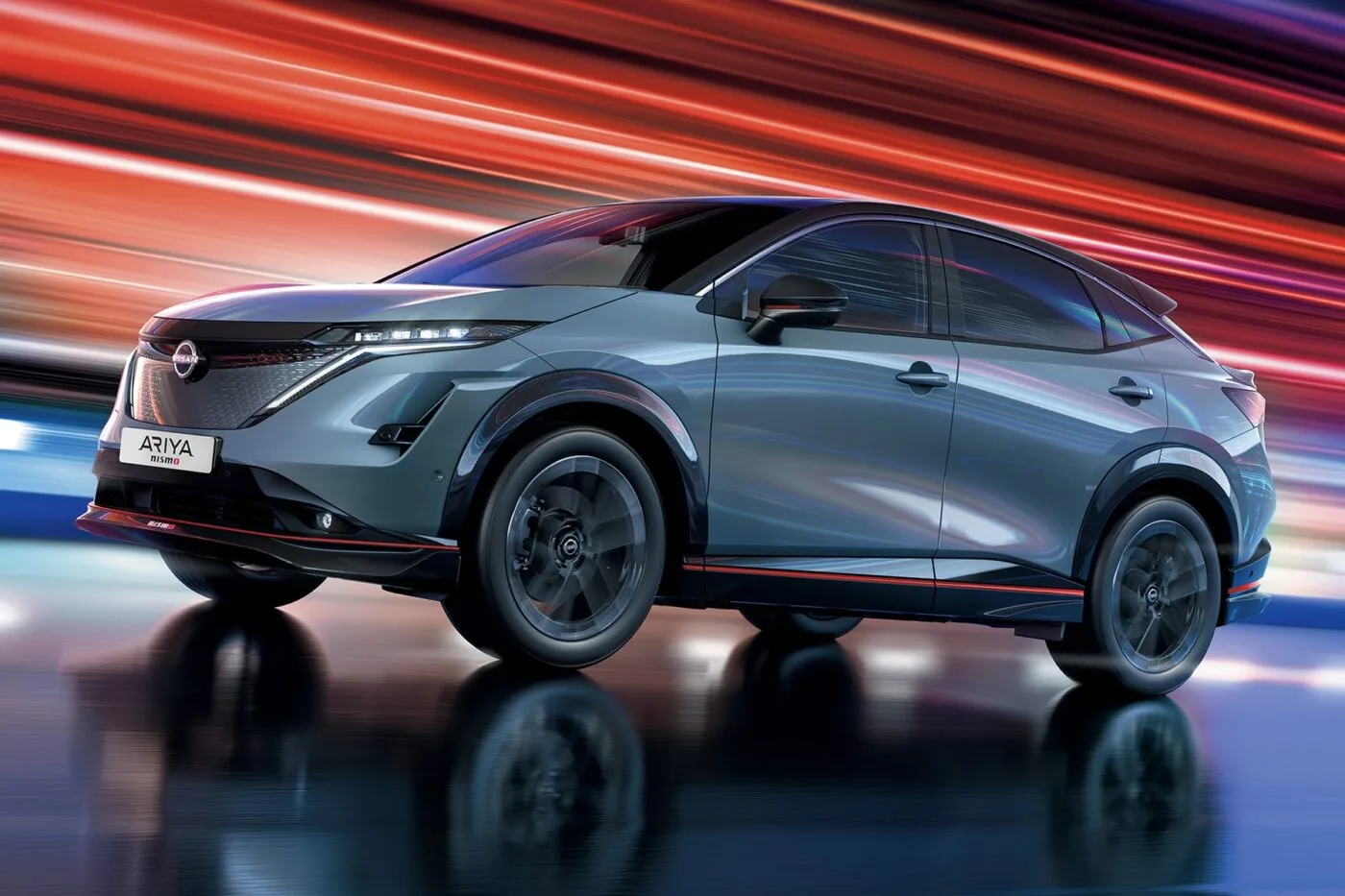
A stark illustration of this evolving dynamic comes from Japanese auto giant Nissan. The company’s decision to cease operations at its Wuhan manufacturing facility, a plant established as recently as 2022 in collaboration with Dongfeng, starkly highlights the immense competitive pressures facing foreign manufacturers in the world’s largest and most dynamic auto market. This particular facility, designed for a substantial annual output of 300,000 vehicles, was producing both the battery-electric Ariya and the popular ICE X-Trail SUV. Critically, reports indicate the plant was operating at an alarmingly low utilization rate—less than ten percent of its capacity. Such severe underperformance renders continued operations economically unsustainable for any automaker, particularly one facing significant financial headwinds.
Nissan’s operational curtailment in China coincides with a period of intense financial strain for the company globally. Shareholders have been forewarned of a projected record financial year loss, anticipated to fall between 700 to 750 billion yen, equivalent to approximately 4.3 to 4.6 billion euros, for the fiscal year concluding in March. This substantial financial setback follows the unraveling of its long-standing alliance with Renault and the collapse of merger discussions with Honda, necessitating a sweeping corporate overhaul.
New CEO Ivan Espinosa, who assumed leadership in March, inherits the challenging mandate of restoring profitability. Despite the immediate capacity reductions, China remains an indispensable market for Nissan’s long-term vision. The company has publicly committed a significant investment of ten billion yuan (approximately 1.2 billion euros) into its Chinese operations by the close of 2026, with a clear strategic focus on accelerating the development and launch of new electric vehicle models. This dual approach—streamlining existing, underperforming ICE capacity while simultaneously channeling substantial capital into future EV innovation—epitomizes the intricate and often contradictory forces at play within the Chinese automotive landscape.
Shrinking Footprint: A Broader Trend for Foreign Automakers
The closure of the Wuhan facility is not an isolated incident but rather a continuation of Nissan’s strategic recalibration within China. Last year, the automaker also shuttered its Changzhou plant. With the impending cessation of operations at Wuhan, Nissan will consolidate its manufacturing footprint in China to just four remaining production sites. Earlier this year, the company had already signaled its intention to drastically reduce its overall production capacity in China, from a previous high of 1.5 million units to a streamlined one million annually, although the specific sites for these additional reductions beyond Changzhou and Wuhan were not initially specified.
This pattern of retreat and consolidation extends beyond Nissan, reflecting a broader struggle for many foreign automotive brands in a market increasingly dominated by agile and cost-effective domestic players, especially in the burgeoning electric vehicle segment.
China’s EV Tsunami: Reshaping Global Energy Consumption
The structural metamorphosis within China’s automotive sector is nothing short of revolutionary, and its implications reverberate directly through global energy consumption forecasts. Domestic Chinese manufacturers are not merely competing; they are decisively leading the charge in the electric vehicle revolution. Brands like BYD, Nio, Xpeng, and Li Auto have rapidly captured market share, leveraging advanced technology, aggressive pricing, and a deep understanding of local consumer preferences.
This aggressive domestic competition, combined with robust government support for electrification and a rapidly expanding charging infrastructure, has created an environment where traditional ICE vehicles, particularly those from foreign brands, are losing ground at an unprecedented pace. Chinese consumers are embracing EVs with enthusiasm, driving down the demand for gasoline and diesel vehicles faster than many global forecasters had anticipated. The shift is not just about sales; it’s about a fundamental reorientation of the entire supply chain and consumer mindset. As EV models proliferate and become increasingly affordable, the economic rationale for purchasing an ICE vehicle diminishes, particularly in urban centers where range anxiety is minimal and environmental incentives are strong.
Implications for Oil & Gas Investors
For oil and gas investors, these developments in China represent a critical inflection point. As the world’s largest single market for new vehicle sales and a significant driver of global oil demand, China’s accelerated transition to electric mobility directly threatens long-term projections for crude oil consumption. The rapid decline in foreign ICE vehicle production capacity, coupled with the meteoric rise of domestic EV sales, implies a structural headwind for gasoline and diesel demand. While China’s overall energy needs continue to grow, the composition of that demand is shifting dramatically away from liquid fuels in the transportation sector.
Investors must scrutinize their long-term models for global oil demand, particularly beyond the immediate horizon of the next five to ten years. The expectation of continued growth in internal combustion engine vehicle fleets, especially in major developing economies, is increasingly being challenged by the speed and scale of China’s EV adoption. Furthermore, the competitive landscape for refining assets could also be impacted. Refineries heavily optimized for gasoline and diesel production may face diminishing margins in the long run as demand plateaus or declines in key markets. This necessitates a strategic re-evaluation of upstream and midstream investments, prioritizing flexibility and diversification into other energy vectors where possible.
The signals from China underscore the accelerating pace of the energy transition. While short-term market dynamics, geopolitical events, and OPEC+ decisions will continue to influence crude prices, the foundational demand drivers are undeniably shifting. Investors betting on sustained, robust growth in oil demand from the transportation sector, particularly from large markets like China, may need to recalibrate their expectations significantly.
Navigating the Future Energy Landscape
The strategic retreat of established international automakers like Nissan from China’s ICE market, coupled with their heavy pivot towards electric vehicles, serves as a powerful testament to the irreversible momentum of the global energy transition. For those invested in oil and gas, this isn’t merely a headline; it’s a profound market signal demanding careful analysis and strategic adaptation. The world’s largest auto market is rapidly decarbonizing its vehicle fleet, setting a precedent that will inevitably influence other major economies. Vigilance, adaptability, and a deep understanding of these evolving demand fundamentals will be paramount for navigating the complex energy investment landscape in the decades to come.


