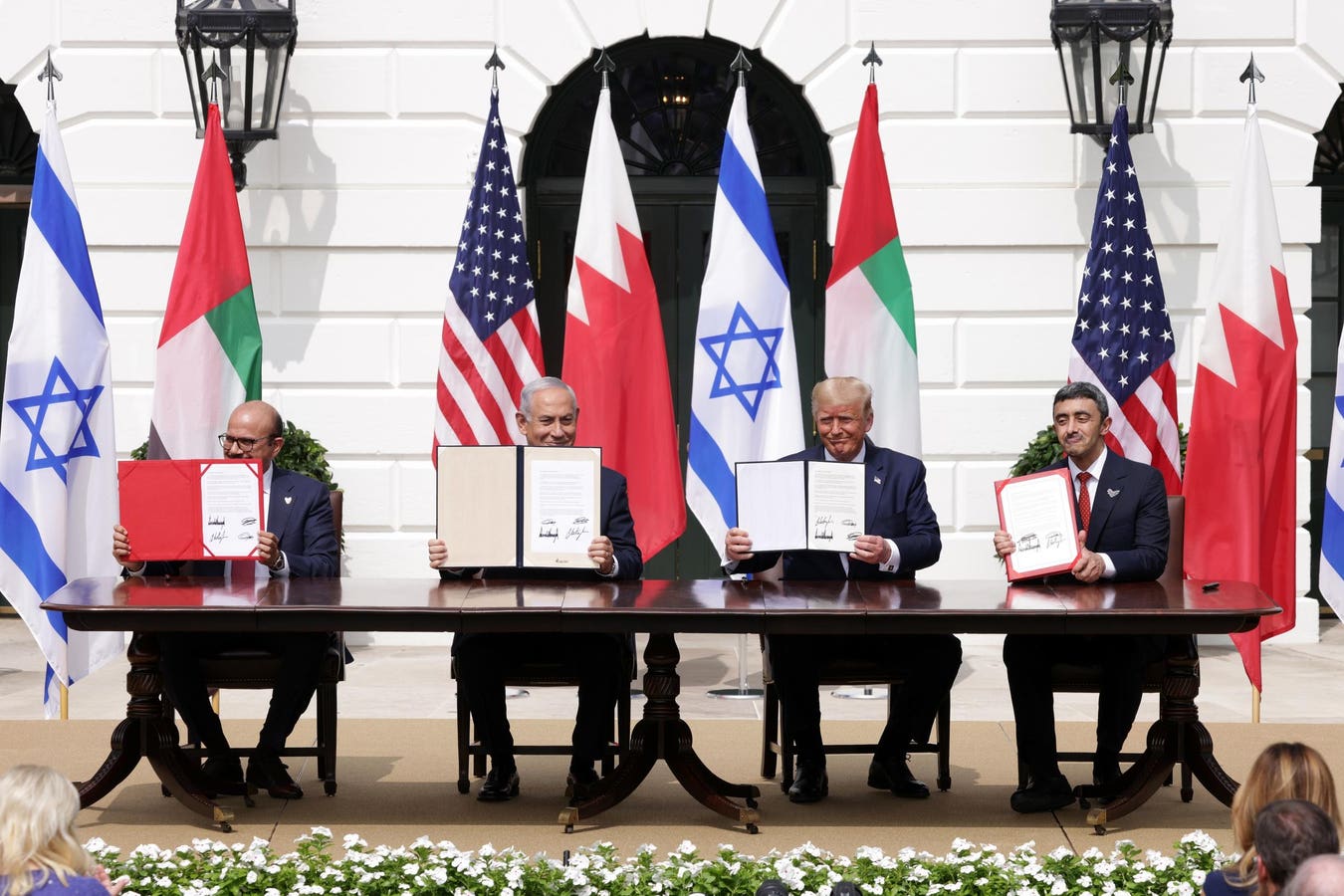
The geopolitical landscape of the Middle East is undergoing a profound transformation, driven by strategic realignments that are poised to redraw the global energy map. For astute investors monitoring the pulse of the oil and gas sector, these shifts signal both significant opportunities and evolving risk profiles. The foundational Abraham Accords, initially brokered in 2020 during the first term of President Donald Trump, marked a pivotal departure in U.S. Middle Eastern policy, fostering a new era of cooperation between Israel and several Muslim-majority nations.
While some observers initially predicted regional destabilization following recent conflicts, the opposite trend appears to be emerging: a strengthening of cooperative ties. This development holds immense promise for the energy industry, potentially streamlining supply chains, enhancing global energy availability, and fostering a more stable political environment across a historically volatile region. Moreover, the long-term implications could even challenge existing global power dynamics, prompting major players like China and Russia to re-evaluate their strategic positions if the momentum of the Accords continues to build.
Geopolitical Maneuvers and Energy Market Resilience
The strategic importance of the Abraham Accords was underscored by events in October 2023, when Iran supported the Hamas attack on Israel. This action was widely interpreted, at least in part, as a direct attempt to derail ongoing efforts to normalize relations between Saudi Arabia and Israel – a key objective of the Accords. Iran’s intervention was both ideologically motivated and strategically calculated, fitting into its broader “ring of fire” strategy designed to exert pressure on Israel through various proxy forces.
Despite these significant regional tensions, recent diplomatic efforts have yielded unexpected results. A ceasefire, implemented in June, has been largely honored by both Israel and Iran. This outcome, whether attributed to strategic foresight or sheer necessity, has undeniably bolstered America’s geopolitical standing and its influence within the energy sector. Evidence of this stability can be seen in the healthy Brent crude oil prices, which were hovering around $67 a barrel at the time of this analysis. While questions persist regarding the full extent of the impact on Iran’s nuclear capabilities and ambitions, the regional implications for Iran’s allies and neighbors are becoming clearer.
Crucially for global energy markets, the vital Strait of Hormuz, through which a significant portion of the world’s oil transits, remained open. This averted a potential global economic recession and represents a significant diplomatic triumph. Reports from sources like the BBC indicate that Chinese government officials may have played a constructive role in facilitating this outcome, highlighting the complex interplay of international interests in maintaining energy stability.
Reshaping Energy Corridors: Opportunities for Investment
The renewed impetus behind the Abraham Accords creates fertile ground for new alliances and more efficient energy corridors, particularly among Muslim-majority nations with substantial energy export capabilities. These states could find their interests increasingly aligning with those of the United States, leading to enhanced collaboration and investment opportunities within the oil and gas sector.
One prominent example frequently cited in Israeli media is Azerbaijan. This secular nation, home to millions of Shi’a Muslims, already maintains a robust and exemplary relationship with Israel. Should Azerbaijan formally join the Abraham Accords, the implications for the European energy market would be substantial. Azerbaijan is a key energy supplier to Europe, and its deeper integration into this emerging regional framework could further diversify European energy sources, reduce reliance on traditional suppliers, and enhance overall energy security. For investors, this signifies potential for increased pipeline infrastructure development, expanded exploration and production activities, and new trading relationships that could solidify long-term revenue streams.
Beyond Azerbaijan, the principles of the Accords could encourage other energy-rich nations in the broader Middle East and North Africa to deepen their engagement with the U.S. and its allies. This shift promises to foster an environment conducive to cross-border energy projects, technological exchanges, and shared security initiatives that protect vital infrastructure. Such a scenario would not only de-risk regional operations but also unlock new avenues for capital deployment in upstream, midstream, and downstream segments of the energy value chain.
A New Global Energy Paradigm?
The trajectory set by the Abraham Accords and the subsequent handling of regional conflicts suggests a potential rebalancing of global power dynamics. As the United States demonstrates a sustained commitment to fostering cooperation and stability in the Middle East, major global energy consumers and producers alike will take notice. A more unified and stable Middle East, with integrated energy supply chains, could reduce volatility in global oil and gas prices, offering greater predictability for long-term strategic planning and investment decisions.
For international investors, understanding these evolving geopolitical undercurrents is paramount. The narrative is shifting from one dominated by conflict and disruption to one emphasizing cooperation and economic integration. This fundamental change is not merely political; it has tangible implications for energy security, market access, and the overall profitability of oil and gas ventures. Companies that can strategically position themselves within these emerging alliances, leveraging new partnerships and optimized supply routes, stand to gain a significant competitive advantage in the years to come.
In conclusion, the Abraham Accords, reinforced by recent diplomatic successes and a commitment to regional stability, are fundamentally reshaping the Middle East’s role in the global energy landscape. For investors focused on oil and gas, this heralds a period of significant strategic realignment, offering compelling opportunities for growth in a region poised for profound, positive change.