Chile’s Mega-Storage: Grid Transformation Investment
The energy landscape across Latin America is undergoing a profound transformation, and a recent development in Chile stands out as a critical indicator of this shift. In the María Elena commune, nestled within Chile’s resource-rich Antofagasta region, a monumental 800 MWh battery energy storage system (BESS) has commenced operations. This landmark installation signals a significant leap forward for regional energy infrastructure and offers compelling insights for investors closely monitoring the global energy transition, particularly those with a stake in traditional oil and gas markets. Developed by Atlas Renewable Energy, this facility marks the continent’s inaugural large-scale standalone energy storage plant, delivering an impressive 200 MW power output complemented by its substantial 800 MWh storage capability.
A New Benchmark for Latin American Energy Infrastructure
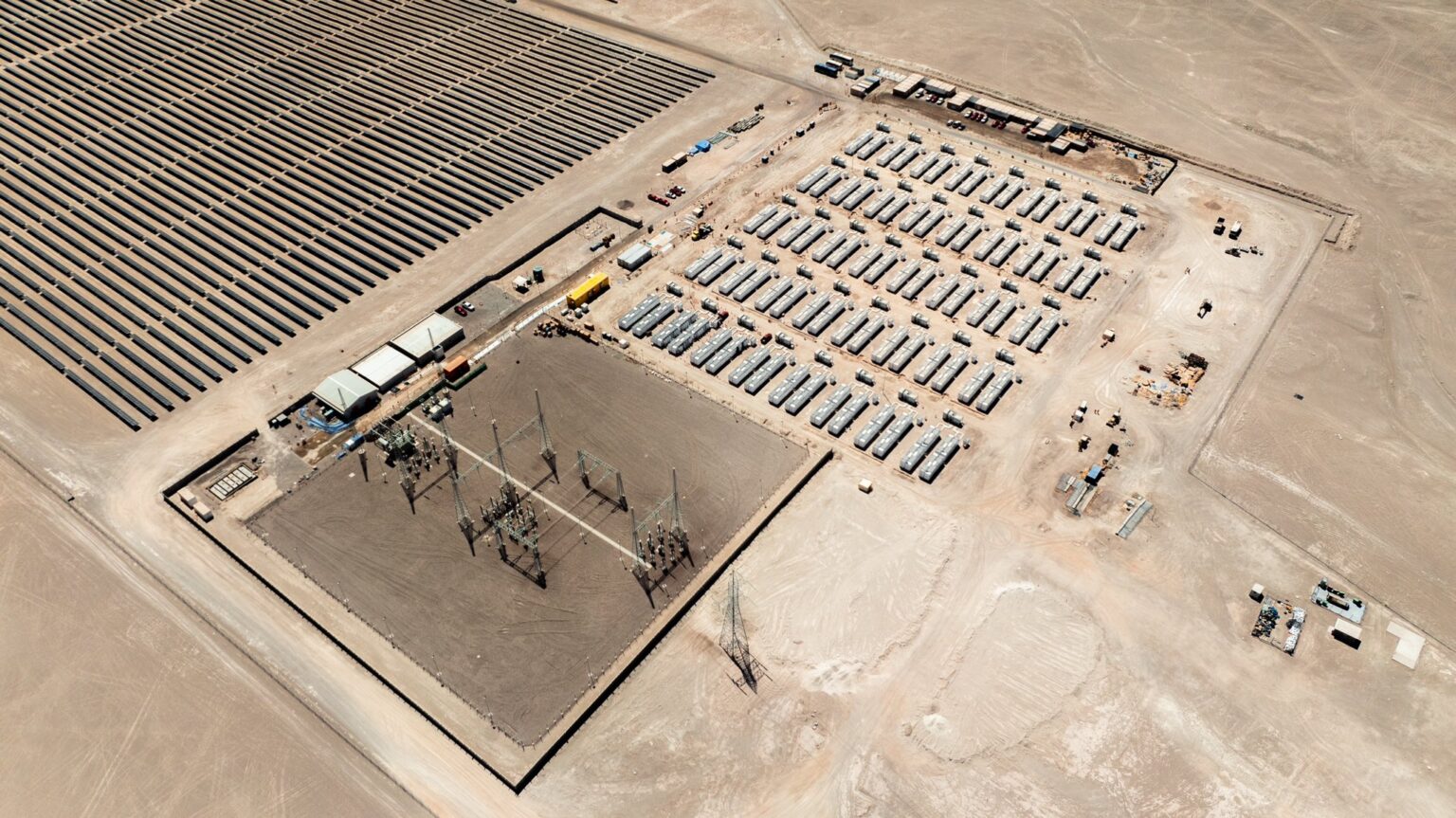
Christened “BESS del Desierto,” this project represents a pinnacle of advanced energy solutions. It incorporates PowerTitan liquid cooling and control systems from the renowned Chinese battery manufacturer Sungrow, underscoring a commitment to high efficiency and reliability. Atlas Renewable Energy projects that the 320 batteries, strategically deployed across a three-hectare footprint, will contribute over 280 GWh of clean electricity to the national grid annually. This substantial power injection is vital for bolstering the stability of Chile’s northern grid, an area boasting immense renewable generation potential. To put its capacity into perspective, this single facility could provide enough power to operate nearly 2,500 electric buses, affording them an astonishing collective range of 500,000 kilometers. For sophisticated investors, this translates into a tangible, long-duration asset capable of delivering sustained value within a rapidly electrifying economy.
Solving Grid Instability and Monetizing Renewable Assets
Chile grapples with a significant challenge: the underutilization of its clean energy resources. The nation currently curtails approximately 3 TWh of electricity each year, with roughly 1.4 TWh of this figure representing wasted solar power. This loss of valuable renewable energy stems from an insufficient grid capacity to absorb and efficiently distribute intermittent power sources. The BESS del Desierto directly addresses this pervasive issue. By effectively “time-shifting” excess solar power – particularly from the adjacent 244 MWp Sol del Desierto solar plant, operational since 2022 – the storage system ensures that a greater proportion of clean energy reaches end-users. This mechanism reduces reliance on less efficient and more carbon-intensive fossil fuel peaker plants, thereby optimizing the performance and economic viability of the existing renewable fleet. From an investment perspective, this project offers a clear solution to a widespread problem in grids heavily reliant on intermittent renewables, creating a high-value asset with a well-defined economic purpose and a clear path to profitability.
Strategic Partnerships Underpin Long-Term Financial Value
The financial bedrock of the BESS del Desierto project is exceptionally robust, characterized by a 15-year power purchase agreement (PPA). This long-term contract was secured with EMOAC, the energy trading subsidiary of COPEC, a prominent Chilean oil company. This particular alliance is especially noteworthy for readers of OilMarketCap.com, as it vividly illustrates a compelling trend: traditional oil and gas entities are increasingly diversifying their portfolios into critical clean energy infrastructure. Such long-duration PPAs are instrumental in establishing predictable revenue streams, effectively mitigating market price volatility and offering attractive, stable returns over an extended period. For oil and gas investors seeking to broaden their exposure to the energy transition without abandoning established principles of stable asset performance, this type of strategic partnership signals a significant and de-risked investment opportunity.
Investment Implications in a Shifting Energy Paradigm
The BESS del Desierto project represents more than just a technological achievement; it is a financial blueprint for future energy infrastructure investments across Latin America and beyond. By demonstrating how large-scale battery storage can effectively integrate vast quantities of renewable energy, enhance grid stability, and optimize existing generation assets, it paves the way for further capital deployment in this sector. The involvement of a traditional oil company like COPEC through its subsidiary underscores the growing recognition that energy storage is not merely an environmental imperative but a crucial component of a commercially viable and resilient energy system. Investors should view this development as a leading indicator of where smart capital is flowing within the evolving energy paradigm. The ability to mitigate curtailment, provide grid services, and offer long-term contracted revenues positions battery storage as an increasingly attractive asset class, capable of delivering consistent returns while actively participating in the global energy transition. This Chilean endeavor serves as a compelling case study for prudent capital allocation in the dynamic energy markets of tomorrow.