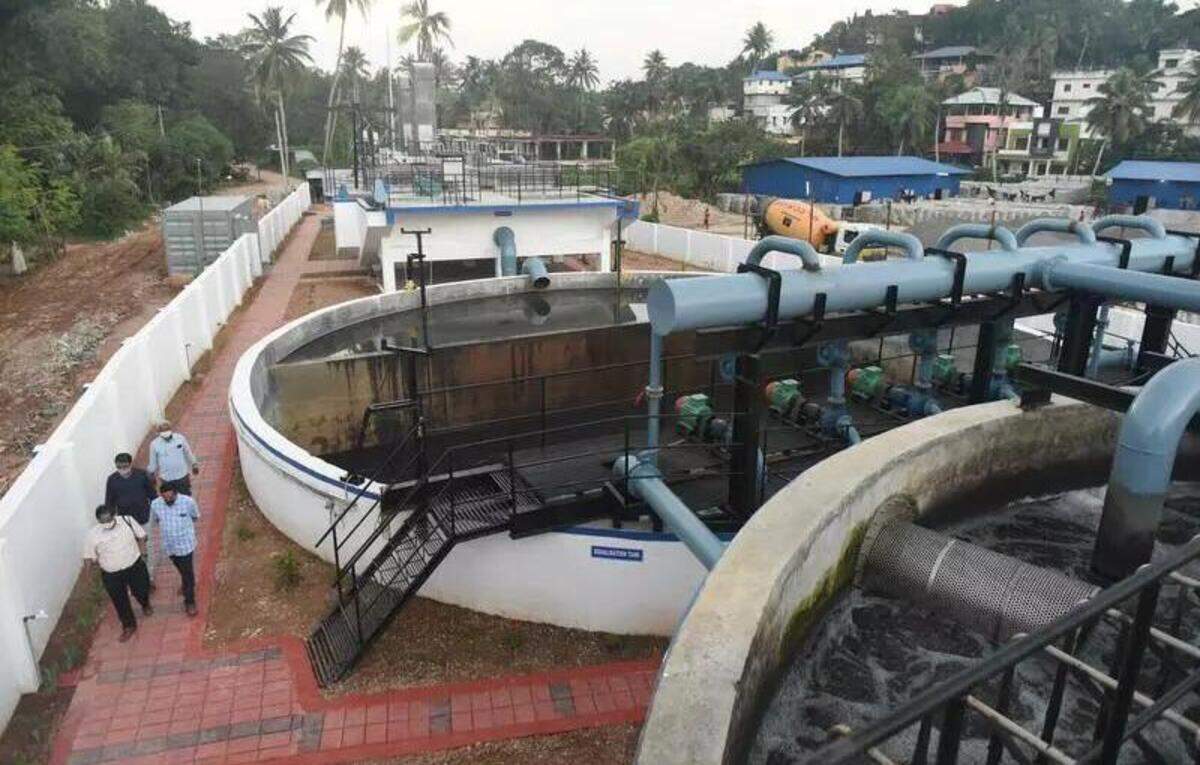
Chhattisgarh Unlocks Green Energy Investment with Landmark Bio-CNG Land Policy
In a strategic move poised to significantly reshape its energy landscape and offer compelling opportunities for investors, the Chhattisgarh state government has unveiled an aggressive policy designed to accelerate the development of bio-compressed natural gas (Bio-CNG) production infrastructure. This proactive directive, issued by the Urban Administration and Development Department, signals a clear intent to foster a robust green energy ecosystem, particularly benefiting public sector undertakings (PSUs) and government-backed oil and gas marketing companies.
The core of the policy revolves around the concessional allocation of government land for the establishment of Bio-CNG plants across urban local bodies. This initiative directly addresses the critical need for sustainable waste management while simultaneously boosting renewable energy output, presenting a dual-benefit scenario that is highly attractive to environmentally conscious and forward-thinking investors.
Policy Details: A Concessional Pathway to Green Energy Profits
The directive, stemming from a pivotal state Cabinet meeting held on April 17, authorizes district collectors to allocate state-owned land at exceptionally favorable lease rates. Specifically, entities involved in setting up these crucial Bio-CNG facilities, aimed at processing bio-waste and agricultural waste, will benefit from a nominal lease rate of just Rs 1 per square metre. This deeply discounted land cost dramatically reduces the initial capital expenditure for project developers, making these ventures inherently more financially viable from the outset.
Adding to the attractiveness, the government has stipulated a generous maximum allocation of ten acres of land per project. This substantial acreage provides ample space for comprehensive Bio-CNG facilities, including processing units, storage, and associated infrastructure. Furthermore, the lease agreements are authorized for an extended period of up to 25 years, offering long-term operational certainty and a stable horizon for return on investment—a critical factor for any large-scale energy infrastructure project.
Strategic Advantage for Oil & Gas Giants and PSUs
A key aspect of this policy that will resonate strongly with investors is its targeted beneficiary list. The directive explicitly names public sector undertakings (PSUs) and government oil and gas marketing companies as the primary recipients of these concessional land leases. This strategic focus empowers established energy players to diversify their portfolios into the burgeoning renewable energy sector with significantly de-risked project development.
For these government-backed entities, the policy provides a clear, government-supported pathway to expand into green fuels. It mitigates one of the most significant barriers to entry for new energy projects—land acquisition costs and complexities. By leveraging their existing infrastructure, distribution networks, and financial prowess, these companies are uniquely positioned to capitalize on Chhattisgarh’s initiative, driving both their own growth and the state’s energy transition goals.
The Economics of Waste-to-Energy: A Sustainable Business Model
The Bio-CNG plants envisioned under this policy are designed to process both bio-waste generated in urban areas and agricultural waste. This robust and readily available feedstock ensures a sustainable and cost-effective supply chain for Bio-CNG production. The conversion of waste into valuable fuel addresses critical environmental challenges, such as landfill burden and agricultural residue burning, while simultaneously creating a new revenue stream.
The production of Bio-CNG aligns perfectly with India’s broader energy security objectives, aiming to reduce reliance on imported fossil fuels and foster indigenous energy sources. As a cleaner alternative to conventional natural gas, Bio-CNG commands a strong market position and contributes to reducing greenhouse gas emissions. For investors, this represents not just an environmental win, but a financially sound investment in a growing market segment.
Driving India’s Energy Transition and Circular Economy
Chhattisgarh’s directive is more than just a local policy; it’s a significant contribution to India’s national commitment towards a sustainable energy future. By promoting waste-to-energy projects, the state is actively participating in the country’s drive towards a circular economy, where resources are utilized efficiently, and waste is transformed into value. This model is critical for achieving India’s ambitious climate targets and ensuring long-term energy resilience.
The initiative also creates substantial opportunities for local job creation, technology transfer, and the development of ancillary industries. The long-term vision involves fostering a self-reliant energy sector that benefits from both environmental stewardship and economic growth. For investors looking at the Indian market, this policy underscores a government-backed commitment to green infrastructure that offers stability and growth potential.
Investment Horizon and Future Outlook
The combination of ultra-low land lease rates, substantial land allocation, a prolonged lease term, and a clear mandate for public sector involvement makes Chhattisgarh’s Bio-CNG policy an exceptionally compelling proposition. Investors within the oil and gas sector, particularly those with a mandate for sustainable energy, should view this as a prime opportunity to expand their renewable footprint.
This progressive policy could also serve as a blueprint for other Indian states, potentially catalyzing a nationwide push for Bio-CNG development. As India continues its rapid industrialization and urbanization, the demand for both sustainable waste management solutions and clean energy sources will only intensify. Chhattisgarh, through this directive, has positioned itself as a frontrunner in harnessing the potential of Bio-CNG, offering attractive returns and contributing meaningfully to a greener future.