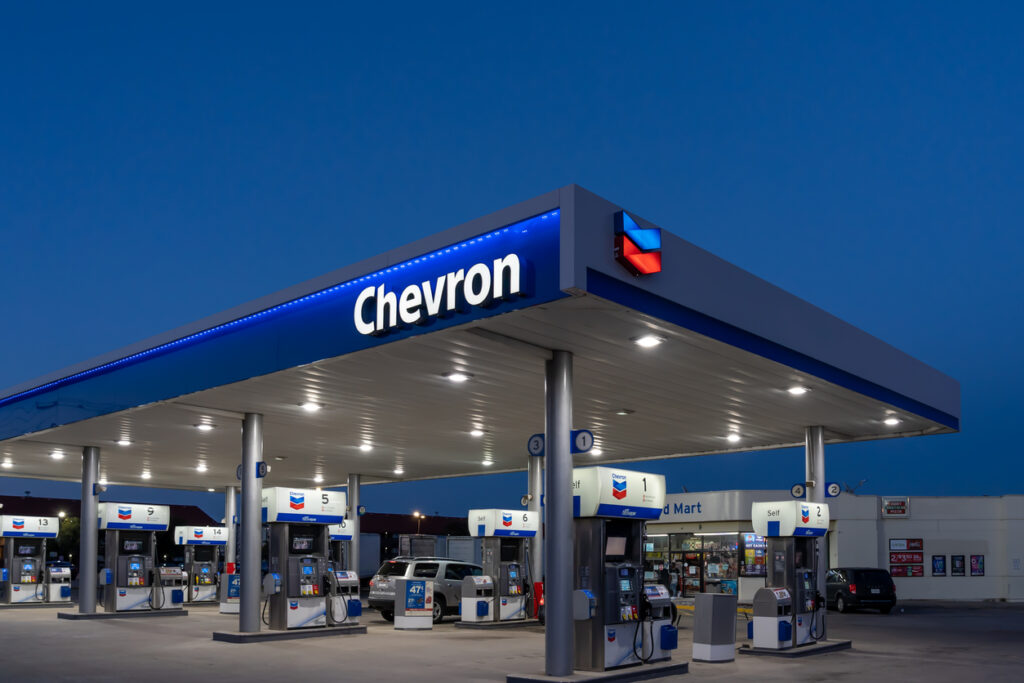
Chevron Venezuela License Expires Next Week
Oil and gas investors are bracing for a critical deadline as the U.S. government’s oil-export license for Venezuela is set to expire next Tuesday. This swift timeline has caught many in the energy sector off guard, defying earlier expectations that a crucial waiver would be extended, and placing significant pressure on Chevron Corporation’s operations within the sanctioned South American nation.
The announcement, delivered by U.S. Secretary of State Marco Rubio via a post on social media platform X, signals a hardening stance by Washington. This directly contradicts prior indications from other U.S. officials, highlighting an internal divergence in the Trump administration’s strategy towards President Nicolas Maduro’s regime.
Immediate Implications for Chevron and Venezuelan Output
The impending expiration casts a long shadow over Chevron’s substantial footprint in Venezuela. For years, the American energy major has been a cornerstone of Venezuela’s crude production, contributing approximately 20% of the nation’s total output. Beyond production, Chevron’s continued presence has been a vital conduit for hard currency into the cash-strapped South American economy, making its license a powerful bargaining chip in the complex geopolitical chess game between Washington and Caracas.
A failure to renew this license could force Chevron to scale back or suspend its activities, potentially disrupting a significant portion of Venezuela’s oil exports and further squeezing an already fragile economy. For investors, this poses questions about the future of a key asset in Chevron’s portfolio and the broader stability of oil flows from a historically important, albeit troubled, producing nation.
Washington’s Policy Crossroads
The contradictory signals emanating from Washington underscore a deep internal debate over how to manage the Venezuelan crisis. Just recently, White House special envoy Ric Grenell met with Maduro representatives in Antigua, securing the release of an American citizen imprisoned in Venezuela. Following this diplomatic breakthrough, Grenell suggested on a podcast that the U.S. would grant Chevron a 60-day waiver, a statement now directly challenged by Secretary Rubio.
Rubio’s firm stance reflects a hard-line approach, advocating for robust pressure against what he views as a totalitarian regime. Conversely, figures like Grenell have pushed for a more pragmatic, transactional engagement, arguing that a constructive relationship with Venezuela is crucial for various U.S. interests. These include slowing migration flows to the U.S. southern border and, critically, preventing Venezuela’s vast oil and mineral wealth from falling under the sway of rival global powers, particularly China.
This internal policy schism highlights the multifaceted challenges facing U.S. foreign policy. Investors are left to navigate the uncertainty created by these conflicting signals, which directly impact the operational environment for major energy players and the economic stability of a key oil-producing nation.
Voices from the Political Sphere Weigh In
The debate has drawn commentary from influential voices within American politics. Conservative activist Laura Loomer has vocally supported Chevron’s continued presence in Venezuela, emphasizing the benefits for U.S. energy independence and the preservation of American jobs. “Why would you want China to take over American oil assets and destroy 15,000 American energy jobs?” Loomer questioned on X, responding directly to Rubio’s announcement.
Her argument underscores a strategic perspective on American assets abroad, advocating for policies that prevent foreign adversaries from gaining control over critical energy resources. Loomer’s anticipation of President Trump’s ultimate decision – stating, “I’m going to wait to see what President Trump says about this. He’s in charge” – further illustrates the high-stakes political nature of this license renewal.
Market Reaction and Investor Outlook
The financial markets, ever sensitive to geopolitical shifts, have shown a nuanced reaction to the unfolding drama. Venezuelan defaulted dollar bonds moved lower on Thursday, with sovereign notes maturing in 2031 sliding around half a cent. Despite this dip, these bonds hover around 19 cents on the dollar, maintaining levels similar to those seen in April.
This relative resilience suggests that investors have not entirely discounted the possibility of a future resolution or compromise. Ramiro Blazquez, a strategist at StoneX, noted in a client communication that these recent developments, despite the immediate pressure, reveal President Trump’s willingness to negotiate with Maduro. Blazquez articulated the view that such willingness should prevent bond valuations from plummeting back to historic lows, reflecting a cautious optimism amidst the uncertainty.
For investors focused on emerging market debt and high-risk, high-reward opportunities, the Venezuelan bond market remains a fascinating barometer of political negotiations and potential future economic recovery.
The Broader Geopolitical Context and Local Elections
Adding another layer of complexity to the decision-making process are Venezuela’s upcoming local elections, scheduled for Sunday. These polls are widely expected to consolidate President Maduro’s political power further. The ruling party’s dominance in rallies stands in stark contrast to a fragmented opposition, many of whom remain divided on whether to participate in what they perceive as a flawed electoral process.
This domestic political backdrop makes any U.S. policy decision regarding Chevron’s license particularly sensitive. A hardline stance might be seen as an attempt to undermine the Maduro regime just as it seeks to reaffirm its authority, while an extension could be interpreted as a tacit acknowledgment of its continued grip on power. The interplay between U.S. foreign policy, internal Venezuelan politics, and the operational viability of major energy companies creates a highly volatile investment landscape.
As next Tuesday approaches, all eyes remain on Washington for a definitive statement. The outcome will not only determine Chevron’s immediate future in Venezuela but also signal the broader direction of U.S. policy towards the oil-rich nation, with profound implications for energy markets and international relations.