The energy landscape is undergoing a profound transformation, a reality underscored by Chevron’s recent participation in a $150 million funding round for TAE Technologies, a leader in commercial fusion energy development. This investment signals a strategic pivot by one of the world’s oil and gas majors, aiming to diversify its portfolio and secure a foothold in future energy sources that promise carbon-free, on-demand power. For investors tracking the sector, this move is not merely a headline; it represents a tangible commitment to long-term energy innovation, even as traditional markets grapple with immediate volatility.
Navigating Volatility: Chevron’s Long-Term Bet Amidst Market Swings
Chevron’s $150 million contribution to TAE Technologies, part of a funding round that exceeded its target and pushed total equity raised to over $1.3 billion, stands as a bold statement. This significant capital allocation comes at a time when traditional energy markets are experiencing considerable turbulence. As of today, Brent crude trades at $90.38 per barrel, marking a sharp 9.07% decline within the day, with its range fluctuating between $86.08 and $98.97. Similarly, WTI crude sits at $82.59, down 9.41% on the day, moving between $78.97 and $90.34. This daily price action follows a broader trend; Brent has shed 18.5% of its value over the past fortnight, dropping from $112.78 on March 30th to $91.87 just yesterday. The price of gasoline, currently $2.93, has also seen a daily decline of 5.18%. Such pronounced volatility in conventional fossil fuel markets likely reinforces the strategic imperative for integrated energy companies like Chevron to explore and invest in disruptive technologies. Their participation suggests a recognition that while oil and gas remain critical for the foreseeable future, the ultimate energy mix demands diversification into advanced, sustainable solutions.
Fusion’s Progress: A Breakthrough Moment for Clean Energy
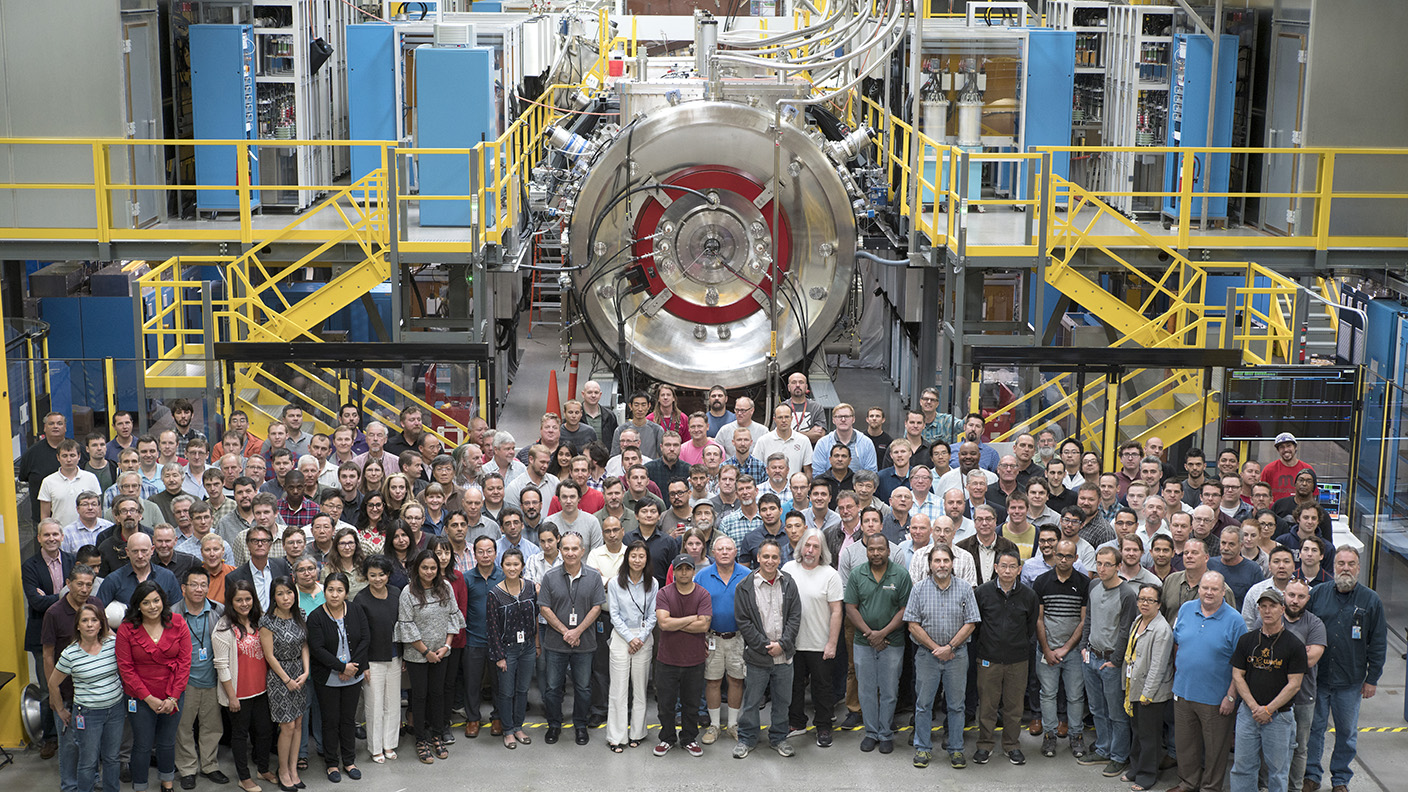
The allure of fusion energy lies in its promise of virtually limitless, clean power, devoid of the carbon emissions, meltdown risks, or long-lived radioactive waste associated with conventional nuclear fission. TAE Technologies has been at the forefront of this pursuit, recently achieving a significant breakthrough with its “Norm” prototype. This device successfully demonstrated stable plasma at over 70 million °C in a simplified configuration, a critical milestone for fusion readiness. This technological leap, refined through a decade-long R&D partnership with Google, which leveraged AI and machine learning to enhance plasma performance and reactor efficiency, validates TAE’s approach. The next phase involves validating net energy capability in their upcoming Copernicus reactor, the final hurdle before potential commercial deployment. For investors, this progress signifies that fusion, once a distant dream, is steadily advancing towards practical application, potentially transforming the energy landscape in the decades to come and offering a long-term hedge against the finite nature of fossil fuels.
Addressing Investor Concerns: The Horizon of Disruption
Our proprietary intent data reveals that investors are keenly focused on understanding the future trajectory of energy markets. Questions such as “what do you predict the price of oil per barrel will be by end of 2026?” underscore a clear interest in near-term market direction. While a fusion reactor is not expected to impact crude prices by the end of 2026, Chevron’s investment, alongside that of other significant players, subtly influences the long-term investment narrative. It prompts a re-evaluation of the terminal value of traditional hydrocarbon assets and the eventual energy mix. Investors are increasingly seeking clarity on how oil and gas majors are adapting to the energy transition. This move by Chevron indicates a proactive strategy to remain relevant in a decarbonizing world, shifting capital towards innovative solutions that align with future demand for clean, reliable power. It signals that even companies deeply entrenched in fossil fuels are preparing for a future where energy production methods could be radically different, thereby shaping long-term capital allocation decisions across the sector.
Near-Term Catalysts vs. Long-Term Vision
While Chevron and Google are making long-term bets on fusion, the immediate future of the oil and gas market remains dictated by more conventional forces and upcoming events. Investors must balance the strategic implications of fusion energy with the tactical realities of the next few weeks. The OPEC+ Joint Ministerial Monitoring Committee (JMMC) meeting on April 18th, followed by the full Ministerial meeting on April 19th, will be crucial. These gatherings could signal shifts in production quotas that directly impact global supply and price stability. Beyond OPEC+, weekly inventory reports from the API (April 21st, April 28th) and the EIA (April 22nd, April 29th) will provide critical insights into demand patterns and storage levels in the world’s largest consumer market. Furthermore, the Baker Hughes Rig Count on April 24th and May 1st will offer a snapshot of drilling activity and potential future supply. These near-term events create significant price catalysts and risk factors that investors must meticulously track, even as they consider the longer-term implications of investments in disruptive technologies like fusion energy. The challenge for today’s energy investor is to navigate these immediate market dynamics while strategically positioning portfolios for the profound energy transition on the horizon.


