Chevron’s Leviathan Restart: A Crucial Signal for Eastern Mediterranean Energy Security
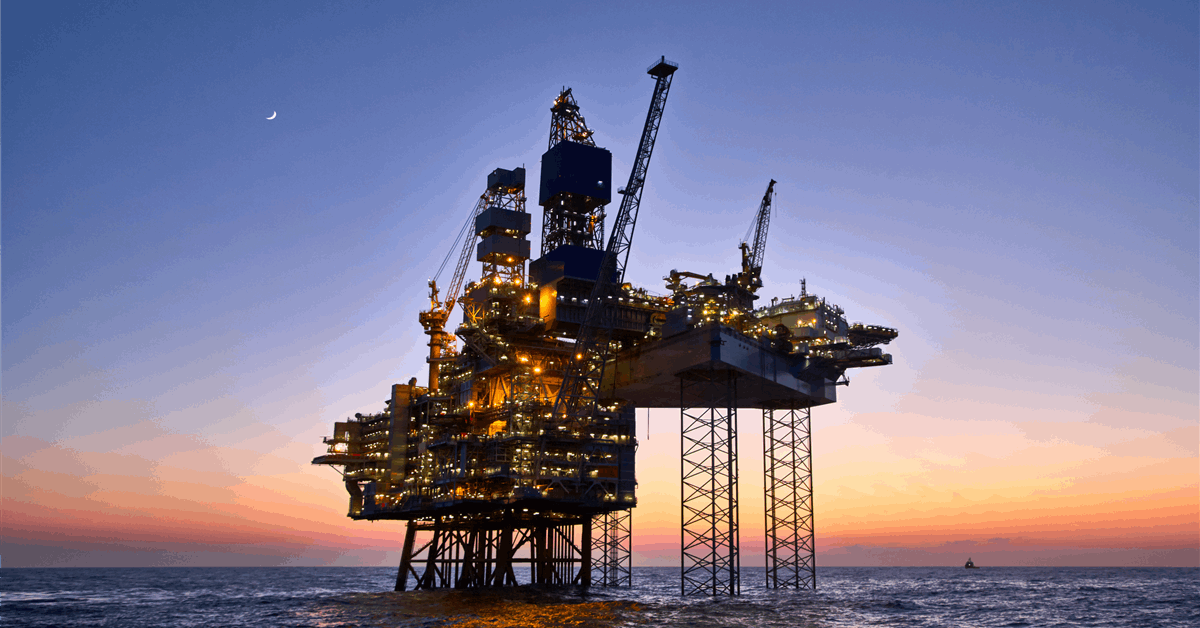
The swift resumption of natural gas production at the Chevron-operated Leviathan field off the coast of Israel delivers a critical message of resilience and operational stability to global energy markets. After a temporary halt mandated by security concerns, the restart underscores the strategic importance of this mega-field for regional energy supply to Israel, Egypt, and Jordan. For investors, this event highlights both the inherent geopolitical risks in key energy producing regions and the robust mechanisms in place to mitigate operational disruptions. As we analyze the implications, the focus shifts to Leviathan’s long-term expansion plans and how they factor into the broader investment landscape for natural gas assets amidst ongoing market volatility.
Immediate Repercussions and Market Dynamics Post-Restart
The decision by Israeli authorities to allow Leviathan to restart production marks a significant de-escalation from a market perspective, following a two-week pause. This halt, triggered by security recommendations, led to an estimated loss of approximately $38.8 million in gross income from natural gas and condensate sales for the Leviathan consortium partner, NewMed Energy. While NewMed intends to explore compensation from the state, the immediate concern for investors was the potential for prolonged disruption to a vital energy artery. The rapid resumption, however, helps to alleviate fears of supply tightness in the Eastern Mediterranean, a region increasingly pivotal for global gas flows.
Against this backdrop, the broader crude oil market continues to exhibit sensitivity to geopolitical developments. As of today, Brent crude trades at $94.79, reflecting a -0.72% daily movement, with its range settling between $93.98 and $95.69. Similarly, WTI crude is at $86.47, down 1.09%, hovering between $85.50 and $86.78. This slight downward pressure comes after a notable period of volatility, with Brent having fallen from $118.35 on March 31st to $94.86 on April 20th, a decline of nearly 20%. While Leviathan primarily impacts natural gas, the interconnectedness of energy markets means stability in one segment can bolster confidence across the board, providing a much-needed counterpoint to the persistent crude market fluctuations. The speedy restart reinforces the notion that even in times of heightened regional tension, critical energy infrastructure is prioritized for operational continuity.
Leviathan’s Strategic Expansion: Delays and Long-Term Value
Beyond the immediate restart, the Leviathan field’s long-term development trajectory remains a key driver for investor interest. Currently operating under Phase 1A with a capacity of approximately 12 billion cubic meters (Bcm) per year, the consortium has ambitious plans for expansion. The revised Phase 1B development plan aims to boost Leviathan’s production capacity to an impressive 23 Bcm annually. This substantial increase is envisioned through drilling additional production wells, integrating new subsea systems, and expanding processing facilities on the existing offshore platform.
However, the recent geopolitical events have not been without consequence for these crucial expansion projects. The construction of a third pipeline for the Leviathan field, which is designed to increase maximum delivery capacity to Israel Natural Gas Lines Ltd. from 1.2 billion cubic feet a day (Bcfd) to approximately 1.4 Bcfd by mid-2025, has faced delays. A regulatory disclosure from October 2024 indicated a potential suspension of this project for about six months. While the restart of existing operations is positive, investors must factor in these potential timeline shifts for future capacity additions. The sustained growth of Leviathan is not just about increasing volumes; it’s about solidifying Israel’s position as a regional energy hub and enhancing the energy security of its neighbors, making the successful execution of these expansion phases paramount for long-term value creation.
Navigating Investor Sentiment and Future Outlook
Our proprietary reader intent data consistently reveals a deep investor curiosity about the future direction of energy markets and specific asset performance. Many users are asking “what do you predict the price of oil per barrel will be by end of 2026?” and seeking insights into the short-term movements, such as “is WTI going up or down?” These questions underscore a pervasive desire for clarity in a volatile environment. The Leviathan restart offers a glimpse into how operational resilience can temper geopolitical risk, a crucial factor for long-term investment decisions in the energy sector.
Looking ahead, several upcoming events will shape the broader energy narrative. The OPEC+ JMMC Meeting scheduled for April 21st will be closely watched for any signals regarding crude oil production policy, which can indirectly influence the sentiment around all energy assets. Furthermore, the EIA Weekly Petroleum Status Reports on April 22nd and April 29th, alongside the Baker Hughes Rig Count reports on April 24th and May 1st, will provide granular data on U.S. supply and demand dynamics. Crucially, the EIA Short-Term Energy Outlook on May 2nd will offer a comprehensive forecast for energy markets, providing a macro backdrop against which to assess the investment potential of natural gas projects like Leviathan. Investors should consider how these broader market indicators will interact with the specific operational and expansion plans of Chevron and its partners, evaluating both the immediate recovery and the extended timelines for capacity growth.
The restart of Leviathan is more than just an operational update; it’s a tangible demonstration of commitment to maintaining energy flows in a complex geopolitical landscape. For investors, this reinforces the strategic value of diversified natural gas portfolios, even as they remain vigilant about project execution risks and the ever-present influence of regional stability. Chevron’s continued presence and expansion plans in this vital field will be a key determinant of Eastern Mediterranean energy security and a significant factor in the company’s long-term growth story.