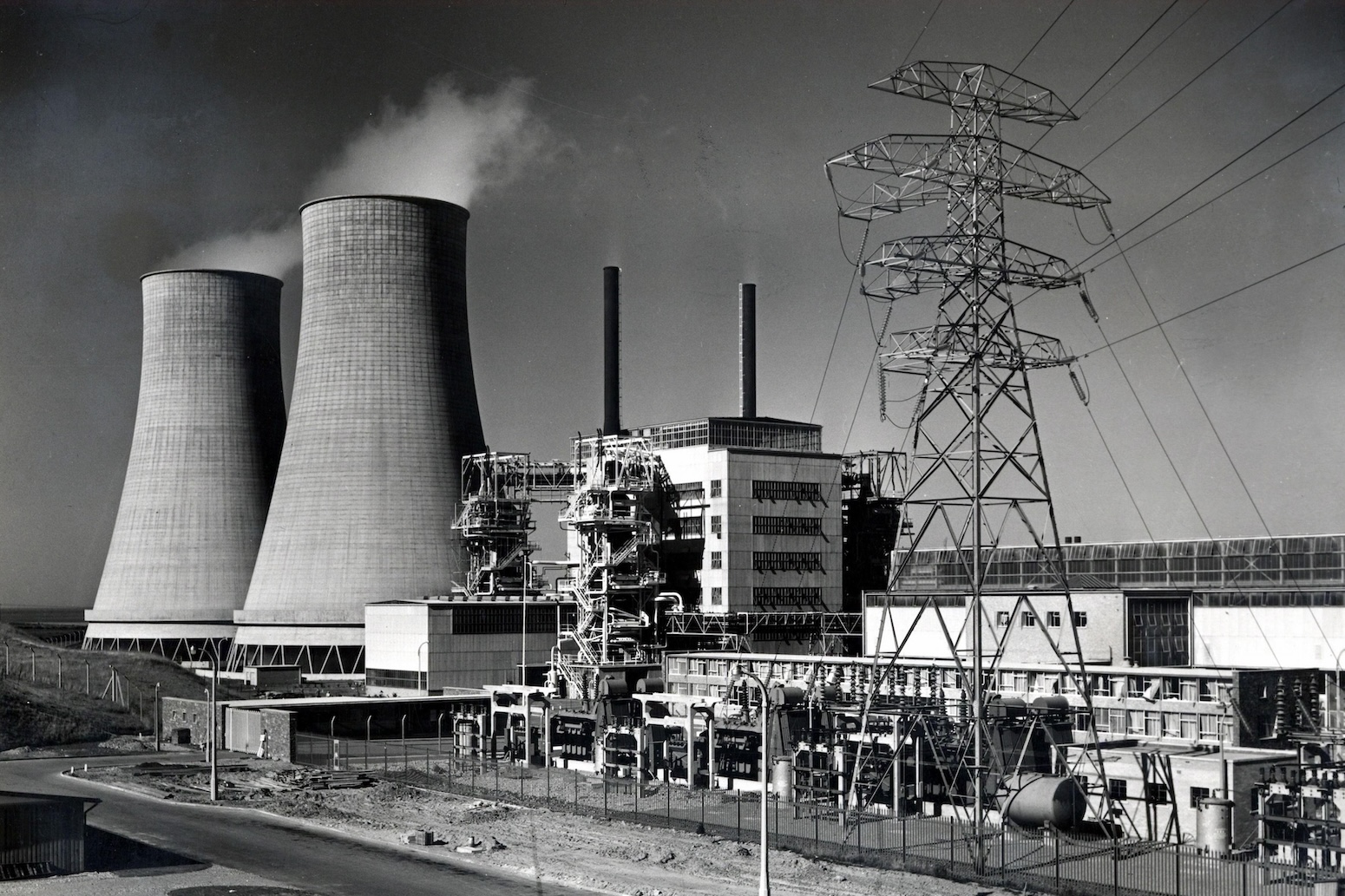
The United Kingdom is embarking on a significant energy transition, signaling a robust return to nuclear power as a cornerstone of its future electricity generation. With Chancellor Rachel Reeves’ recent commitment of substantial government funding towards new large-scale plants, small modular reactors (SMRs), and even cutting-edge fusion research, the investment landscape for UK energy is undergoing a profound shift. This strategic pivot, aimed at bolstering energy security and meeting ambitious decarbonization targets, presents both challenges and compelling opportunities for investors monitoring the global energy complex. Understanding the historical context, current market dynamics, and future policy implications is crucial for positioning portfolios effectively in this evolving environment.
The Resurgence of UK Nuclear Ambition
For decades, the UK, a pioneer in civilian nuclear power, saw its installed capacity steadily decline since peaking at 12.2 gigawatts (GW) in 1995. Following the completion of Sizewell B in that same year, no new large-scale plants were commissioned until Hinkley Point C was greenlit in 2016, with operations anticipated by 2030. Now, the government is accelerating this revival. The recent spending review earmarked a substantial £14.2 billion for the new Sizewell C plant in Suffolk, alongside £2.5 billion dedicated to advancing Rolls-Royce SMR technology and another £2.5 billion for nuclear fusion research. These commitments underscore a clear intent to reverse the long-term trend of diminishing nuclear capacity. While existing reactors are largely slated for closure by 2030, the aspiration is to achieve up to 24 GW of nuclear capacity by 2050, potentially supplying a quarter of the UK’s electricity needs. This ambitious target comes as the nation anticipates its electricity demand to double over the next several decades, driven by widespread electrification of transport, heating, and industry. Achieving this vision will necessitate not only the successful delivery of Hinkley Point C and Sizewell C but also a significant rollout of SMRs and potentially further large-scale projects.
Nuclear as a Hedge Against Market Volatility
The renewed emphasis on nuclear power cannot be fully appreciated without considering the broader volatility in global energy markets. As of today, Brent Crude trades at $90.38 per barrel, marking a 9.07% decrease within the day’s range of $86.08 to $98.97. Similarly, WTI Crude stands at $82.59, down 9.41% from its daily high. This reflects a significant downward trend over the past two weeks, with Brent having fallen from $112.78 on March 30th to $91.87 just yesterday, a substantial decline of $20.91 or 18.5%. Gasoline prices have also seen a notable drop, currently at $2.93, down 5.18%. Such sharp fluctuations in fossil fuel prices underscore the inherent risks of relying heavily on imported hydrocarbons and highlight the strategic value of stable, domestically sourced baseload power. Nuclear energy, with its high upfront capital costs but predictable, low-carbon operational profile, offers a powerful hedge against geopolitical instability and commodity price swings. For investors seeking long-term stability and exposure to the energy transition, the UK’s nuclear push provides a compelling narrative, positioning nuclear assets as a critical component in diversified energy portfolios, less susceptible to the daily gyrations of the crude market.
Forward-Looking Opportunities Amidst Global Energy Events
While nuclear projects span decades from conception to operation, their rationale is continuously reinforced by the dynamics of the global energy market, influenced by more immediate events. In the coming days, investors will closely monitor key developments that shape the near-term energy landscape. The OPEC+ Joint Ministerial Monitoring Committee (JMMC) meets on April 18th, followed by the full OPEC+ Ministerial Meeting on April 19th. Any decisions regarding production quotas could significantly impact global crude supply and pricing, further highlighting the UK’s drive for energy independence. Mid-week, the API Weekly Crude Inventory report on April 21st and the EIA Weekly Petroleum Status Report on April 22nd will offer insights into US supply and demand. Later in the week, the Baker Hughes Rig Count on April 24th will provide a pulse check on drilling activity. These recurring events, including subsequent API and EIA reports on April 28th and 29th, and another Baker Hughes count on May 1st, collectively paint a picture of ongoing volatility and uncertainty in the fossil fuel sector. This persistent market flux implicitly strengthens the investment case for nuclear power, driving policy decisions and capital allocation towards long-term, stable, and low-carbon energy solutions that are less exposed to such short-term market pressures. Investors should view these upcoming events not just for their immediate impact on oil prices but for how they continually validate the strategic importance of nuclear diversification.
Navigating Investment Avenues in the Nuclear Renaissance
Our proprietary data indicates that investors are keenly focused on specific company performance and future commodity prices, with questions ranging from “How well do you think Repsol will end in April 2026” to “what do you predict the price of oil per barrel will be by end of 2026?” While these questions often center on traditional oil and gas players, the UK’s nuclear strategy opens new, albeit long-term, investment avenues. The commitment to nuclear diversification directly addresses the underlying desire for energy stability and security that drives many of these inquiries, serving as a long-term counter-narrative to the short-term crude price speculation. Direct investment opportunities exist in companies involved in the construction and operation of large-scale nuclear facilities, such as the consortia behind Hinkley Point C and Sizewell C. More directly, the significant funding for Rolls-Royce SMRs positions this British engineering giant as a key player in a potentially transformative technology. Beyond the headline projects, the nuclear supply chain presents a myriad of opportunities across engineering services, specialized manufacturing, components, and fuel cycle management. While fusion research remains a highly speculative, long-term bet, the government’s funding signals a commitment to pushing the boundaries of energy technology. Investors should conduct thorough due diligence on companies with robust order books, proven track records in complex infrastructure projects, and strong intellectual property in SMR development. The UK’s nuclear revival is not just an energy policy shift; it’s a multi-decade investment theme with profound implications for the energy sector.