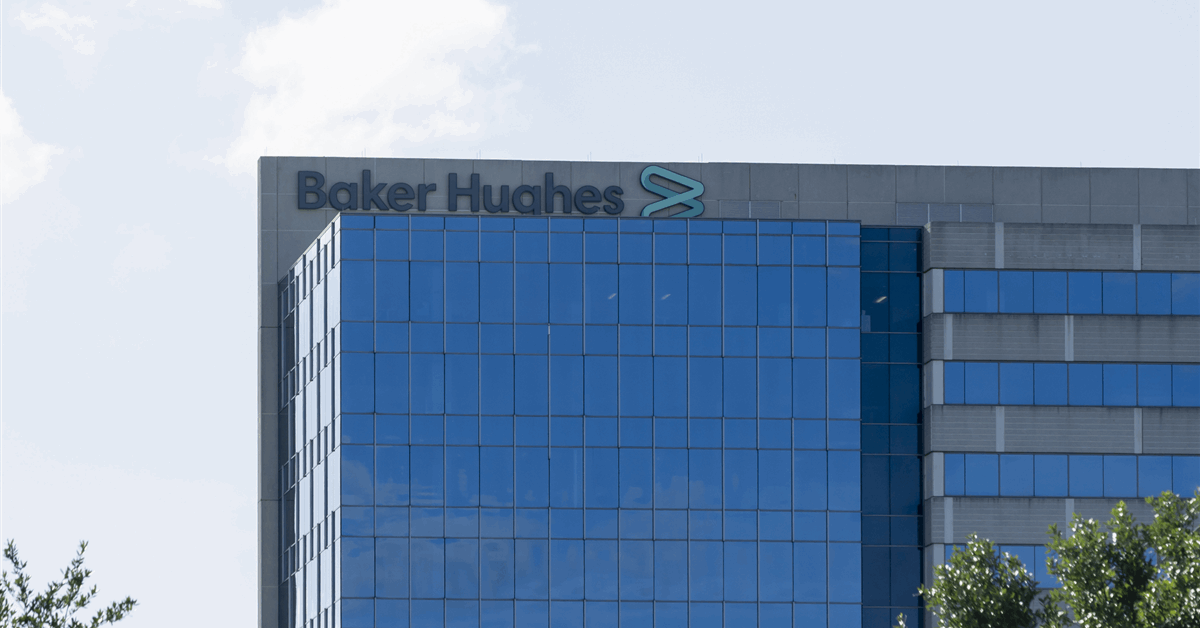
A Strategic Pivot: Baker Hughes’ Acquisition of Chart Industries Reshapes Energy Services Landscape
Shareholders of Chart Industries have overwhelmingly approved the company’s acquisition by Baker Hughes (BKR), an all-cash transaction valued at $210 per share. This decisive vote, with 98.87 percent of represented shares backing the merger, marks a pivotal moment for both entities and signals a clear strategic direction for Baker Hughes. The transaction, expected to close by mid-2026, subject to regulatory approvals, is far more than a simple expansion; it represents a calculated move by Baker Hughes to significantly diversify its portfolio, broaden its market reach, and position itself at the forefront of the evolving energy transition, particularly in a period of heightened market volatility. For investors, understanding the strategic underpinnings and forward-looking implications of this deal is paramount to assessing Baker Hughes’ long-term value proposition.
Diversifying Beyond the Wellhead: Chart’s Strategic Value Proposition
Baker Hughes’ rationale for acquiring Chart Industries centers on securing a leadership position in critical growth areas beyond traditional hydrocarbon exploration and production. Chart is a recognized leader in technology, equipment, and services for liquefied natural gas (LNG), hydrogen, biogas, and carbon capture solutions. These segments are not merely tangential to the energy sector; they are central to the global push for lower-carbon energy. By integrating Chart’s extensive global manufacturing footprint and service network with its own, Baker Hughes aims to offer comprehensive, end-to-end lifecycle solutions. The financial scale of Chart, which generated $4.2 billion in revenue and $1 billion in adjusted EBITDA for 2024, underscores its immediate contribution to Baker Hughes’ financial profile, promising strong earnings accretion and an improved growth and margin outlook. This diversification is a direct response to investor demand for resilience against commodity price fluctuations, addressing questions our readers often pose about long-term oil price predictions and the sustainability of returns in a transitioning energy landscape.
Navigating Market Headwinds: A Timely Strategic Imperative
The timing of this significant acquisition is particularly salient given the current market environment. As of today, Brent crude trades at $90.38 per barrel, marking a sharp decline of over 9% within a single day, with its range fluctuating between $86.08 and $98.97. Similarly, WTI crude has fallen to $82.59, also down more than 9%, after trading between $78.97 and $90.34. This acute downturn continues a broader trend observed over the past two weeks, where Brent has shed nearly 20% of its value, dropping from $112.78 on March 30. This volatility in traditional crude markets highlights the strategic foresight behind Baker Hughes’ move. By expanding into more durable industrial sectors such as industrial gas, metals and mining, and food and beverage, alongside its strengthened position in new energy verticals, Baker Hughes is building a portfolio designed for through-cycle growth. The identified $325 million in synergies will be crucial in maximizing value from this integration, providing a buffer against potential headwinds in conventional oil and gas services.
Key Catalysts and the Road to Mid-2026 Integration
The journey to fully integrate Chart Industries into Baker Hughes by mid-2026 will be closely watched by investors. During this period, several key industry events will shape the macro environment into which the combined entity emerges. This coming Sunday, April 19th, the OPEC+ Ministerial Meeting is scheduled, and investors are keenly watching for any adjustments to production quotas – a question frequently posed by our readers – which will directly influence global crude supply and pricing. Following this, the API and EIA will release their weekly crude inventory reports, offering snapshots of short-term demand and supply dynamics. Critically, the Baker Hughes Rig Count, released every Friday, will be an ongoing indicator of drilling activity, providing direct insight into the health of the upstream sector. As the acquisition proceeds, any shifts in the rig count could signal how Baker Hughes plans to leverage its expanded service footprint across both traditional and new energy segments. The strategic alignment of Baker Hughes’ core competencies in rotating equipment, flow control, and digital technology with Chart’s expertise in heat transfer, air and gas handling, and process technologies is expected to increase service rates for Chart’s installed base, driving more profitable, recurring revenue across the combined portfolio. This forward-looking approach, underscored by upcoming calendar events, offers investors a roadmap for assessing Baker Hughes’ strategic execution in a dynamic energy landscape.


