Canada’s vast oil sands sector achieved a notable environmental milestone in 2023, marking its sixth consecutive year of reducing greenhouse gas emissions intensity per barrel. This sustained efficiency improvement, documented in recent provincial data, offers a crucial counter-narrative for an industry often scrutinized by environmental, social, and governance (ESG) investors. However, a deeper dive into the figures reveals a more complex picture, with total emissions still rising and specific production methods experiencing an increase in their carbon footprint, presenting ongoing challenges for stakeholders.
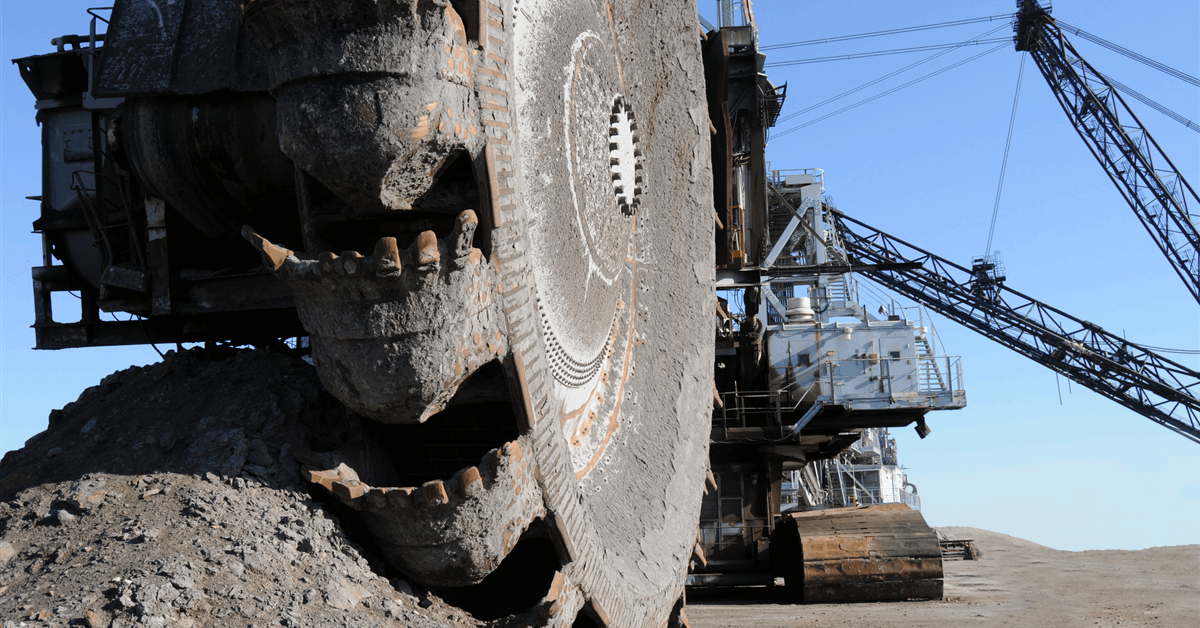
For investors monitoring the Canadian energy landscape, the headline figure is compelling: the average emissions intensity across all oil sands operations declined to the equivalent of 0.399 metric tons of carbon dioxide per cubic meter of bitumen produced in 2023. This represents a tangible improvement from 0.404 metric tons reported in 2022 and marks the lowest intensity recorded since reliable data collection began in 2011. This positive trend primarily stems from efficiency enhancements within the traditional oil sands mining operations, where bitumen is extracted directly from the earth.
Navigating the Nuances of Emission Metrics
While the per-barrel intensity reduction is a significant achievement, it’s essential for investors to understand the full scope of the data. Despite improved efficiency, the total volume of greenhouse gas emissions from the oil sands actually increased. The sector collectively emitted 80.1 million metric tons of carbon dioxide equivalent in 2023, up from 78.8 million in 2022. This rise in absolute emissions, now at its highest level since 2011, is largely attributable to an increase in overall production volumes. This dichotomy highlights a critical challenge for the industry: how to expand output to meet global energy demand while simultaneously achieving meaningful reductions in its environmental impact.
The oil sands industry has historically faced headwinds regarding its environmental reputation, prompting some institutional investors to divest or avoid the sector entirely. The consistent reduction in emissions intensity provides valuable data points for ESG frameworks and could help re-engage a broader investor base. According to Kevin Birn, chief analyst for Canadian oil markets at S&P Global, the oil sands’ emissions profile, despite being higher than the global average, “fits well within the range of carbon intensity of oil and gas we see in the world.” This perspective is vital for a balanced assessment of investment opportunities in the sector.
The In-Situ Intensity Challenge
A closer examination of the production methods reveals a growing divergence. While mining operations improved, the increasingly prevalent in-situ method – which utilizes wells similar to conventional oil drilling to inject steam and extract viscous bitumen – saw its emissions intensity rise. In 2023, in-situ facilities recorded an intensity of 0.426 metric tons per cubic meter, up from 0.417 the previous year. This segment is particularly important as it now accounts for approximately 52% of total bitumen production and is favored by producers due to its generally lower operational costs.
The increase in in-situ intensity can be attributed to several factors. Industry analysts point out that the addition of new wells often precedes significant bitumen production, meaning steam injection and associated energy use begin before the full output stream is realized. This initial phase can temporarily inflate the emissions-to-production ratio. Major in-situ operations, including Suncor Energy Inc.’s expansive Firebag site and Cenovus Energy Inc.’s Christina Lake facilities, contribute substantially to this segment’s overall footprint, making their efficiency gains or losses particularly impactful.
Leaders and Laggards in Efficiency
Within the mining segment, all major operators demonstrated improvements in their emissions intensity. Canadian Natural Resources Ltd. (CNRL) stood out, achieving the most significant gains at its Horizon project during the year. Furthermore, CNRL’s Wolf Lake and Primrose Plant sites also recorded notable reductions in their emissions intensity, underscoring the company’s commitment to operational efficiency and environmental performance. These advancements are critical for bolstering investor confidence in the long-term viability of oil sands assets.
Conversely, some operations experienced increases in their emissions intensity. Strathcona Resources Ltd.’s Tucker facility, for instance, has seen its intensity trend upwards consistently since 2018. Such individual performance variations underscore the importance for investors to scrutinize company-specific ESG data, rather than relying solely on industry averages. The ability of individual producers to manage and reduce their specific emissions profiles will increasingly differentiate them in the eyes of capital markets.
Investment Outlook and Future Pathways
The Canadian oil sands industry is at a crossroads, balancing the imperative of energy supply with environmental stewardship. The consistent reduction in emissions intensity per barrel is a testament to ongoing technological advancements and operational optimizations. However, the concurrent rise in total emissions and the specific challenges within the in-situ segment signal that the journey towards a lower-carbon future is far from over.
For investors focused on the energy transition, these trends offer a nuanced perspective. The sector’s ability to drive down its carbon intensity, even as production grows, indicates a commitment to efficiency that could enhance its appeal. Yet, the absolute increase in emissions highlights the need for continued innovation, including carbon capture, utilization, and storage (CCUS) technologies, to achieve broader climate goals. Monitoring these metrics and the strategic responses of leading producers will be paramount for informed investment decisions in the evolving global energy market.