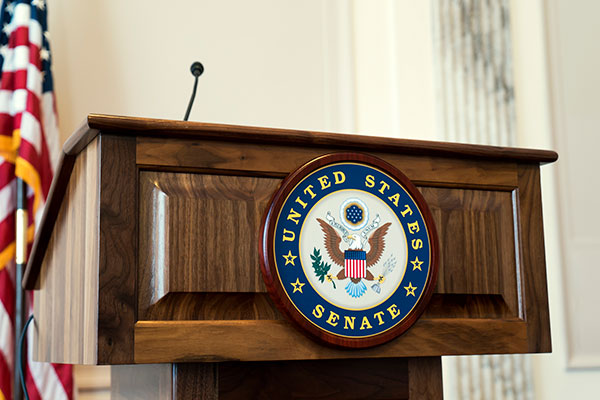
A significant shift in federal policy targeting heavy-duty vehicle emissions is poised to send ripples across the U.S. energy and transportation sectors. In a move that could significantly alter the trajectory of the electric vehicle (EV) transition for commercial fleets, the U.S. Senate recently voted to invalidate two key emission regulations championed by California. This legislative action, which follows a similar vote in the House, presents a notable tailwind for the traditional oil and gas industry, particularly concerning demand for diesel fuel and the longevity of internal combustion engine (ICE) technology in freight transport.
The resolutions now head to President Donald Trump, who is anticipated to endorse them into law. If enacted, these regulations would lose their enforceability not just within California’s borders but also in a cohort of other states that typically align with California’s stringent environmental mandates. For investors tracking the energy landscape, this development signals a potential slowdown in the forced adoption of electric trucks, thereby supporting sustained demand for conventional petroleum products.
Federal Action Undermines California’s Emission Mandates
At the heart of this legislative reversal are two specific rules: the Advanced Clean Trucks (ACT) regulation and the low-NOx Omnibus rule. Both were conceived by the California Air Resources Board (CARB) and had previously secured waivers from the U.S. Environmental Protection Agency (EPA) during the Biden administration. The overarching goal of these mandates was ambitious: to substantially reduce truck emissions and to accelerate the market penetration of electric heavy-duty vehicles across the nation. Specifically, the ACT rule aimed to compel manufacturers to sell an increasing percentage of zero-emission trucks, while the low-NOx Omnibus rule sought to drastically cut nitrogen oxide emissions from new diesel engines.
The Senate’s vote to revoke the EPA waivers backing these rules represents a direct challenge to California’s long-standing authority in setting national emission standards. By leveraging the Congressional Review Act, federal lawmakers are attempting to nullify state-level environmental policies that have historically influenced a broader national regulatory framework. For the oil and gas sector, this move suggests a more favorable regulatory environment than previously anticipated, potentially deferring the widespread displacement of diesel by electric alternatives in the commercial transport segment.
Industry Cheers: A Win for Supply Chains and Fuel Demand
The reaction from the trucking industry has been overwhelmingly positive. Prominent industry organizations, including the American Trucking Associations (ATA) and the Truckload Carriers Association (TCA), have vocally praised the Senate’s decision. Chris Spear, President of the ATA, underscored the sentiment, asserting that the vote delivered a clear message against California’s perceived overreach in public policy. This perspective highlights a long-standing tension between the industry’s operational realities and ambitious environmental targets.
Industry leaders have consistently argued that the California-led rules would impose crippling costs on fleet operators, exacerbate existing supply chain vulnerabilities, and ultimately burden consumers. David Heller of the TCA articulated these concerns, stating that the mandates would have proven detrimental to the nation’s supply chain, an industry vital for national commerce. From an investment standpoint, this relief for the trucking sector translates into a reduced financial incentive to switch to more expensive, less proven electric truck technologies, thereby securing the existing market for diesel fuel and related petroleum products for a longer horizon. This directly benefits refiners, distributors, and upstream producers catering to transportation fuels.
California’s Fierce Opposition and Looming Legal Battles
Unsurprisingly, California officials have vehemently condemned the federal legislative action. Liane Randolph, Chair of CARB, promptly announced the state’s intention to “pursue every available remedy to challenge these actions,” signaling an aggressive legal counter-offensive. Governor Gavin Newsom further solidified this stance, declaring plans to initiate lawsuits to protect California’s environmental agenda. This sets the stage for what promises to be a protracted legal confrontation, introducing an element of uncertainty into the long-term enforceability of the federal revocation.
Legal experts suggest that using the Congressional Review Act to cancel state-granted waivers could face significant hurdles in court. Such legal battles could stretch for months, if not years, as both sides leverage their legal resources. For investors, this means that while the immediate legislative victory for the oil and gas sector is clear, the ultimate fate of these emission rules remains subject to judicial review. This dynamic environment necessitates careful monitoring of legal proceedings, as court outcomes could either solidify or reverse the current regulatory momentum.
Broader Market Implications for Energy Investors
Even prior to the Senate’s vote, several of the ten states that had adopted California’s ACT and Omnibus rules had already delayed their implementation, citing various practical and economic challenges. Furthermore, California itself had previously withdrawn its request for a waiver related to its Advanced Clean Fleets rule in January, indicating a degree of internal recognition regarding the difficulties of rapid EV transition in heavy-duty transport. These delays and withdrawals underscore the practical hurdles in transitioning large commercial fleets to electric power, from vehicle availability and charging infrastructure to operational costs and range anxiety.
The potential revocation of these rules, therefore, offers a significant reprieve for the oil and gas industry. It reduces the regulatory pressure on trucking companies to make substantial, costly investments in electric trucks, thereby extending the lifecycle and market dominance of diesel-powered vehicles. This translates into a more stable outlook for diesel demand, benefiting crude oil producers, refiners, and pipeline operators. For energy investors, this development reinforces the investment thesis in conventional energy assets, suggesting that the “peak oil demand” narrative, particularly in the heavy-duty transport sector, may be pushed further into the future than some analysts had projected.
The Road Ahead: Policy, Litigation, and Market Dynamics
While the rules technically remain in place for now, their future is undeniably shrouded in uncertainty. The interplay between federal legislative action, state-level legal challenges, and evolving market dynamics will dictate the ultimate outcome. For oil and gas investors, this scenario presents both opportunities and risks. The opportunity lies in the potential for sustained demand for traditional fuels and a slower, more organic transition to alternative energy sources in commercial transport. The risk, however, resides in the unpredictable nature of legal battles and the potential for future policy shifts.
As the U.S. grapples with its energy transition, the debate over truck emissions serves as a microcosm of the broader policy challenges. The Senate’s action marks a pivotal moment, signaling a potential tempering of aggressive decarbonization mandates in favor of economic practicality and supply chain stability. For those invested in the oil and gas sector, this policy reversal offers a tangible, albeit potentially temporary, tailwind, reinforcing the vital role of petroleum products in powering the nation’s economy for the foreseeable future.