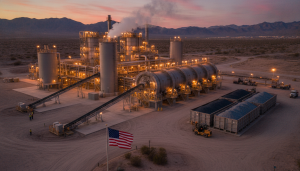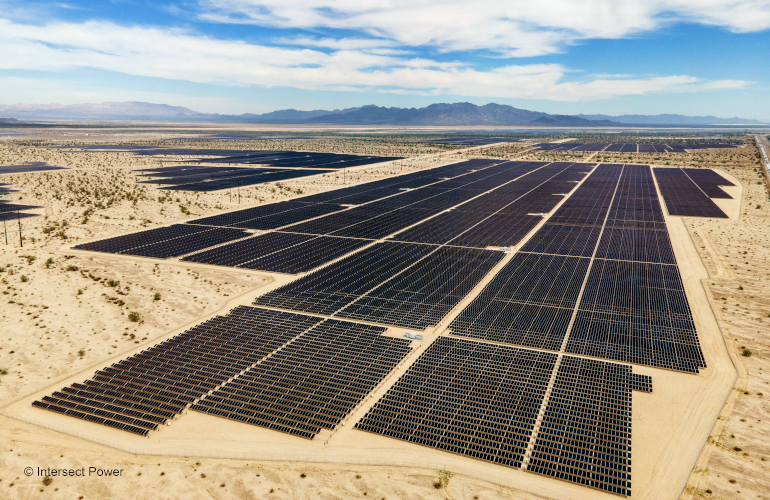
The energy investment landscape is witnessing a seismic shift, and California continues to lead the charge, recently greenlighting a monumental clean energy initiative that underscores the accelerating transition away from conventional power sources. The California Energy Commission (CEC) has granted expedited approval to the Darden Clean Energy Project, a sprawling solar and battery storage complex poised to redefine utility-scale renewable deployment. This landmark development, the first to navigate the CEC’s streamlined Opt-In Certification program, signals a robust commitment to decarbonization and presents significant implications for investors monitoring the evolving energy market.
Darden Project: A New Benchmark for Scale
At the heart of this transformative project lies an impressive combination of solar generation and advanced battery energy storage. The Darden Clean Energy Project is slated to integrate 1.1 gigawatts (GW) of solar photovoltaic capacity with a truly colossal battery energy storage system (BESS) capable of holding up to 4,600 megawatts (MW) of power. To put this into perspective, the BESS component alone is set to become the largest of its kind globally, a testament to the scale of California’s ambition.
Once operational, this integrated system is engineered to supply electricity to approximately 850,000 homes for a duration of four hours, a crucial capability for maintaining grid stability during peak demand or periods of low solar generation. The project, owned by IP Darden I, LLC, a subsidiary of Intersect Power, will seamlessly connect to the Pacific Gas and Electric (PG&E) grid. Its expansive footprint will span 9,500 acres in western Fresno County, strategically located on land deemed unsuitable for agricultural production, a move that addresses potential land-use conflicts and streamlines development.
Navigating California’s Accelerated Approval Pathway
The Darden project’s swift authorization highlights the efficacy of California’s Opt-In Certification program, a regulatory framework established under Assembly Bill 205 in 2022. This legislation empowers the CEC to expedite reviews for qualifying projects, requiring an initial completeness determination within 30 days of submission, followed by a comprehensive environmental assessment concluded within 270 days. This accelerated timeline is a direct response to California’s aggressive mandate: achieving 100 percent retail electric sales from renewable energy and zero-carbon resources by 2045. For investors, this signals a regulatory environment increasingly geared towards fast-tracking large-scale clean energy infrastructure, potentially reducing development risks and enhancing project certainty.
CEC Chair David Hochschild emphasized the project’s pivotal role, stating, “Achieving a 100 percent clean electricity future by 2045 demands audacious, utility-scale endeavors like Darden. This project stands out not merely for its immense size but also for its innovative design and rigorous safety protocols.” Such statements reinforce the state’s strategic focus on robust, cutting-edge solutions for its energy transition.
Economic Impact and Community Engagement
Beyond its technical specifications, the Darden project also carries substantial economic and social commitments. Projects seeking approval through the Opt-In Certification program are mandated to pay prevailing wages, ensuring high-quality employment, and to deliver tangible community and economic benefits. The Darden initiative is projected to create more than 2,000 construction jobs over a period of 1.5 to 3 years, injecting significant economic activity into the region.
Furthermore, the project owners have pledged $2 million in community investments over the next decade, commencing with an initial $320,000 contribution to Centro La Familia Advocacy Services. This non-profit organization plays a vital role in supporting crime victims, promoting family wellness, and fostering civic engagement within rural communities. CEC Commissioner Noemí Gallardo underscored this holistic approach, noting, “Modern clean energy ventures must extend beyond mere power generation. They ought to generate value within the communities where they are established. This project epitomizes a community-centric strategy that advances state energy objectives while simultaneously benefiting local workers and residents.” This integrated approach to development is becoming increasingly critical for securing public support and ensuring project longevity, a key factor for long-term investor confidence.
Strategic Implications for Energy Investors
The Darden Clean Energy Project is more than just another renewable installation; it represents a significant marker in the broader energy transition. For investors in the oil and gas sector, these developments highlight the shifting competitive landscape and the growing imperative for diversification and strategic adaptation. Large-scale battery storage, in particular, is emerging as a critical component for grid modernization, addressing the intermittency challenges historically associated with solar and wind power. California’s aggressive build-out of such infrastructure serves as a blueprint for other regions grappling with similar energy goals.
California already leads the nation in battery storage deployment, boasting over 200 utility-scale systems and more than 250,000 commercial and residential installations statewide. This robust ecosystem demonstrates the state’s commitment to leveraging storage technology for grid stabilization, storing surplus energy during periods of high production and discharging it during peak demand. This capability is paramount for integrating ever-increasing volumes of renewable energy into the grid without compromising reliability.
For those evaluating energy portfolios, the Darden project underscores several key trends: the relentless push for utility-scale renewable development, the indispensable role of advanced energy storage in grid management, and the increasing influence of policy frameworks designed to accelerate this transition. The financial implications are clear: substantial capital is flowing into these areas, creating new avenues for growth and reshaping the long-term outlook for energy investments. As California continues to push the boundaries of clean energy integration, its projects offer valuable insights into the future direction of global energy markets.