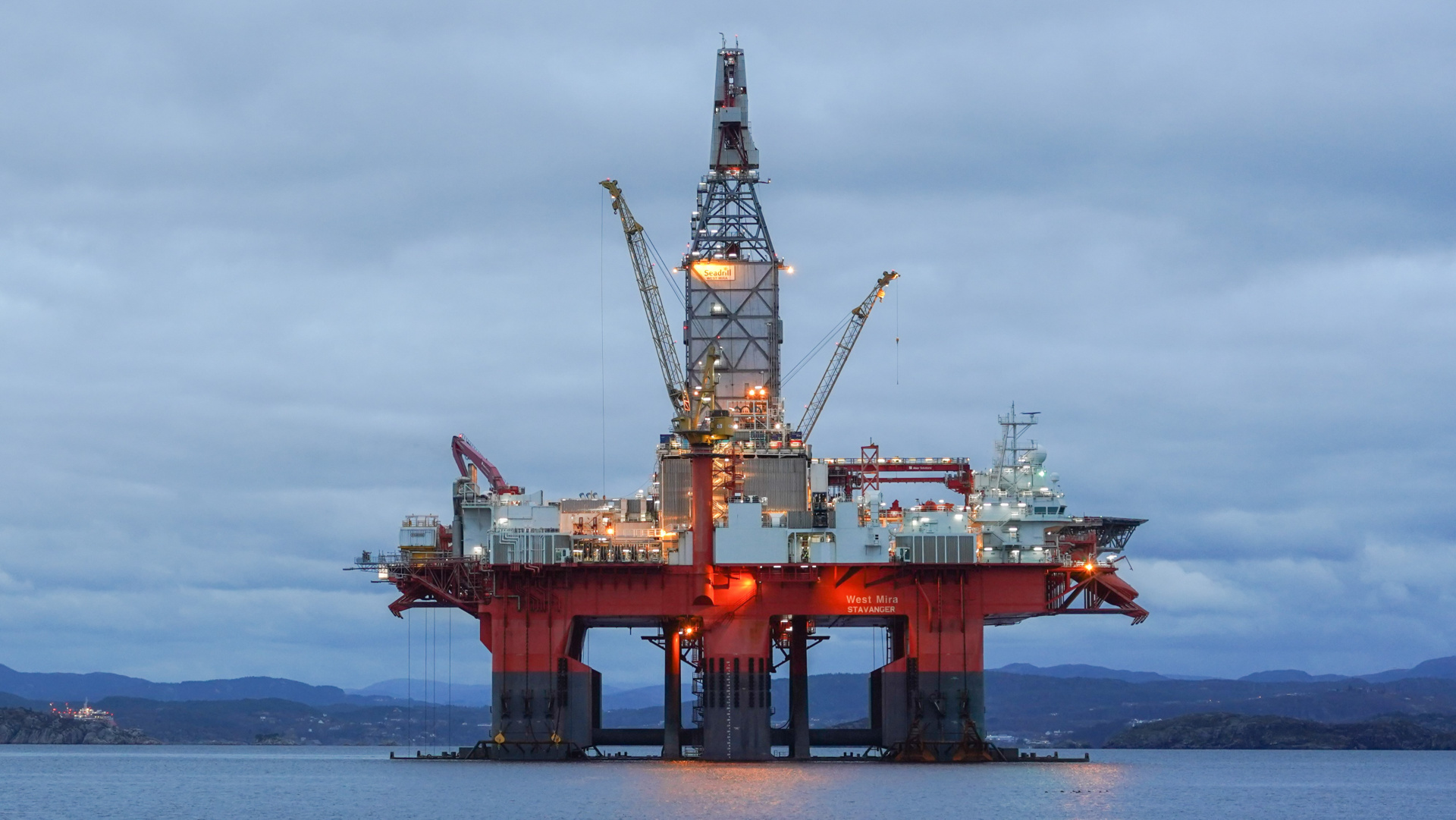
In a significant development for offshore energy exploration in Southern Africa, BW Energy, a prominent player in the global oil and gas sector, has finalized a crucial contract for drilling operations off the coast of Namibia. The company, in collaboration with its Namibian partner NAMCOR E&P, has secured Odfjell Drilling’s high-specification Deepsea Mira semisubmersible rig. This agreement paves the way for the eagerly anticipated Kharas appraisal well on the Kudu license (PPL003), situated within the highly prospective Orange Basin, with operations slated for the latter half of 2025.
Strategic Positioning in Namibia’s Emerging Hydrocarbon Frontier
This rig contract marks a pivotal step forward for BW Energy’s long-standing Kudu gas-to-power project and underscores the escalating investment interest in Namibia’s offshore potential. The Kudu license (PPL003) represents a substantial natural gas resource, and the upcoming Kharas appraisal well is designed to further delineate and de-risk the field’s commercial viability. For investors monitoring the African energy landscape, this move reinforces Namibia’s growing prominence as a frontier exploration hotbed, particularly in the wake of several supermajor discoveries in the Orange Basin.
The Orange Basin has captivated the global energy industry, drawing comparisons to other prolific basins worldwide. With multi-billion-barrel oil discoveries by TotalEnergies and Shell transforming perceptions of the region’s hydrocarbon potential, every new drilling campaign, especially an appraisal well, carries immense weight. The Kharas well is not just a technical operation; it’s a strategic data acquisition mission that could unlock significant value for BW Energy and its shareholders, potentially paving the way for a large-scale gas development in a region hungry for reliable energy sources.
Deepsea Mira: A Key Enabler for Kudu’s Future
The selection of Odfjell’s Deepsea Mira semisubmersible rig is a testament to the technical demands and strategic importance of the Kharas well. The Deepsea Mira is a modern, capable drilling unit known for its efficiency and strong operational track record. Its deployment for the Kudu project is facilitated through a previously announced rig-sharing arrangement involving Northern Ocean Ltd., the rig’s operator, and Rhino Resources Ltd. This collaborative approach to rig utilization is a smart financial strategy, allowing companies to share mobilization costs and maximize operational efficiency, thereby reducing overall project expenditures – a critical factor for investor confidence in capital-intensive offshore ventures.
The contract, executed by BW Kudu Ltd., specifically highlights the benefits of accessing an in-country rig. This not only streamlines logistics but also provides immediate access to an experienced services team with a proven track record within the Orange Basin. Such operational continuity and local expertise are invaluable, minimizing execution risks and potentially accelerating drilling timelines. Furthermore, the emphasis on a high level of local content aligns with Namibia’s national development goals, fostering economic growth and skills transfer within the host nation, which can translate into smoother project execution and reduced regulatory hurdles over the long term.
BW Energy’s Dominant Stake and Partnership Dynamics
BW Energy holds a commanding position as the operator of the Kudu production license (PPL003), boasting a significant 95% working interest. This substantial equity stake means that the financial success or challenges of the Kudu project will have a direct and material impact on BW Energy’s valuation and earnings per share. For investors, this high working interest represents significant leverage to the potential upside of a successful appraisal and subsequent development.
NAMCOR E&P, a subsidiary of the national oil company of Namibia, holds the remaining 5% carried interest. A carried interest is a crucial financial arrangement where NAMCOR E&P does not bear the upfront costs of exploration and appraisal, including the current drilling campaign. Instead, BW Energy, as the operator, carries these expenses on NAMCOR’s behalf, recouping them from future production revenues if the project proves commercial. This structure is common in host government partnerships, ensuring the national oil company participates in the upside without immediate financial strain, while also signifying strong governmental backing for the project.
Investor Outlook and the Road Ahead for Kudu
The second half of 2025 will be a critical period for BW Energy and its investors. The drilling of the Kharas appraisal well is a significant de-risking event. Successful results could move the Kudu gas field closer to a final investment decision (FID), potentially unlocking a major gas development project that could supply domestic power generation in Namibia and possibly regional export markets. The Kudu gas field’s development is seen as a cornerstone of Namibia’s energy independence aspirations, offering a stable and cleaner-burning alternative to imported fuels.
For shareholders, positive appraisal results could catalyze a re-rating of BW Energy’s stock, reflecting the increased certainty and value of its asset base. Conversely, any unforeseen geological challenges or delays could introduce volatility. Investors will be closely watching for updates on drilling progress, well log interpretations, and ultimately, resource estimates and potential development plans. The long-term vision for Kudu involves a gas-to-power project that could significantly impact Namibia’s energy matrix and provide a reliable revenue stream for BW Energy for decades to come, positioning the company strategically within the evolving global energy transition narrative that increasingly values natural gas as a bridge fuel.
This rig contract is more than just a logistical arrangement; it’s a clear signal of intent from BW Energy to advance its Kudu project, leveraging strategic partnerships and efficient operational models. As Namibia continues to emerge as a key player in the global oil and gas investment landscape, the progress at Kudu will be a closely watched indicator of the nation’s broader hydrocarbon potential and its ability to attract and sustain significant international capital.