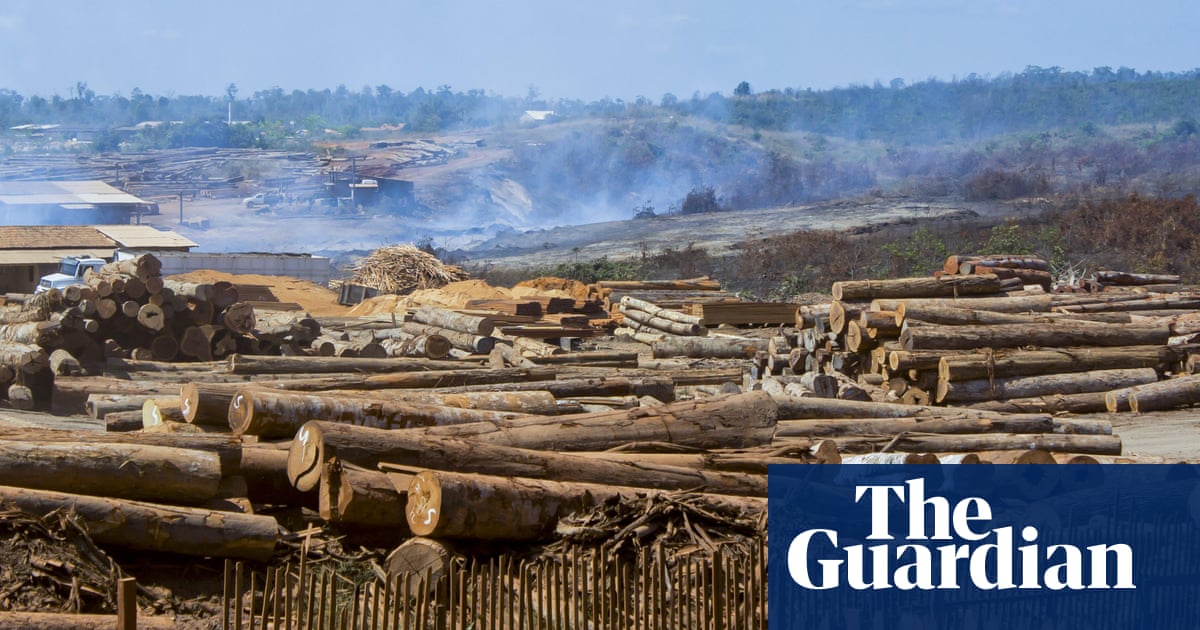
Brazil’s Senate has greenlit a sweeping legislative package poised to dramatically reshape the nation’s environmental permitting landscape, a move that could significantly streamline project development across critical sectors, including energy and natural resources. This legislative shift, often dubbed the “devastation bill” by critics, passed the upper house with a decisive 54 votes to 13, paving the way for a more expedited regulatory path for a range of ventures from mining and infrastructure to agriculture and crucial energy projects.
The proposed overhaul now moves to the lower house for final deliberation, where its passage is widely anticipated given the chamber’s conservative leanings and strong agribusiness lobby. Investors in Brazil’s burgeoning resource sectors are closely watching this development, as it promises to transform the efficiency of project approvals, potentially unlocking new opportunities and accelerating existing timelines.
Regulatory Streamlining: A New Era for Brazilian Projects?
At its core, the legislation aims to dismantle Brazil’s traditionally rigorous and often protracted environmental licensing procedures, replacing them with a more simplified and efficient system. Proponents argue this modernization is essential to reduce bureaucratic hurdles that have historically slowed down economic development and deterred foreign investment. For energy companies, this could mean significantly faster timelines for securing permits for oil and gas exploration, new power generation facilities, or critical transmission infrastructure.
The bill introduces provisions that would allow certain projects to renew permits through a self-declaration process, drastically cutting down on review periods. Furthermore, it proposes loosening requirements for high-impact ventures, such as large-scale mining operations, potentially allowing these developments to advance without the extensive environmental impact assessments previously mandated. This shift could translate directly into reduced project development costs and quicker returns on investment for companies operating in these capital-intensive sectors.
Investment Implications for Oil & Gas and Mining
For the oil and gas sector, particularly, this regulatory easing could prove a game-changer. Brazil is a significant global player in offshore exploration and production, and simplified licensing could accelerate the development of new fields and expand existing operations. Reduced red tape means less time waiting for approvals, which directly impacts project economics and competitiveness. Companies looking to invest in Brazil’s deepwater pre-salt or onshore basins may find the environment more attractive due to the prospect of clearer and faster regulatory pathways.
Similarly, the mining sector, a cornerstone of Brazil’s economy, stands to benefit. The ability to move forward with projects that previously faced extensive environmental scrutiny could unlock vast mineral reserves, driving increased production and export revenues. Infrastructure projects, vital for supporting resource extraction and transportation, would also see accelerated development, further enhancing the investment climate.
Environmental Backlash and Potential ESG Risks
Despite the potential economic benefits, the legislative shift has drawn sharp criticism from environmental activists and policy experts, who brand it a “historical setback.” Concerns are mounting that the bill ignores the urgency of the climate crisis and undermines Brazil’s international commitments, including its pledge to eradicate deforestation by 2030 and achieve net-zero emissions by 2050. Natalie Unterstell, president of the Instituto Talanoa climate policy think tank, starkly warned that the bill is akin to “getting rid of the brakes in a moving vehicle,” jeopardizing the nation’s environmental targets.
From an investor’s perspective, this environmental backlash translates into potential ESG (Environmental, Social, and Governance) risks. Projects approved under the new, relaxed regulations could face increased scrutiny from international investors, lenders, and consumers. The risk of reputational damage, shareholder activism, and divestment campaigns could rise, potentially impacting access to capital markets for companies involved in these developments. Suely Araújo, public policy coordinator at the Climate Observatory, highlighted that “most licensing procedures will become a push of a button without an environmental study or environmental impact assessment,” a scenario that could heighten environmental liabilities.
Threats to Protected Areas and Indigenous Lands
A significant concern highlighted by civil society organizations, such as the Socio-Environmental Institute (ISA), is the direct threat this legislation poses to Brazil’s extensive network of protected areas. The ISA estimates that the approval of the law could directly imperil over 3,000 protected zones, including lands critical to Indigenous peoples and Afro-descendant quilombola communities. Furthermore, an alarming 18 million hectares (approximately 44.5 million acres) of forest are believed to be at risk under the new framework.
For investors, this raises serious social and legal risks. Projects infringing on Indigenous lands or protected areas often face prolonged legal battles, community resistance, and international condemnation, leading to significant delays, cost overruns, and even project abandonment. The removal of requirements for prevention, mitigation, and compensation measures could escalate the potential for social conflict in rural areas, creating an unpredictable operational environment for companies.
Brazil’s Credibility on the Global Stage
The timing of this legislative push is particularly sensitive, as Brazil prepares to host the COP30 climate conference in the Amazon later this year. The government has expressed its ambition for COP30 to be a summit focused on action, yet this move to dismantle environmental protections could severely undermine the country’s credibility on the international stage. As Unterstell notes, it “sends the wrong signal at the wrong time.”
For investors, Brazil’s international standing and commitment to environmental stewardship are not merely abstract concepts; they influence market access, trade agreements, and foreign direct investment. A perceived weakening of environmental governance could lead to increased regulatory pressure from trading partners or impact Brazil’s attractiveness as a destination for responsible investment capital. While the immediate effect might be faster project approvals, the long-term implications for the nation’s economic and environmental sustainability warrant careful consideration by all stakeholders.
Outlook for Investors
As the bill heads to the lower house, its final passage is largely expected. Investors in Brazil’s oil, gas, mining, and infrastructure sectors should prepare for a new regulatory reality. While the promise of streamlined licensing and accelerated project development offers significant upside potential, the associated environmental and social risks cannot be ignored. Companies will need to navigate a complex landscape of potentially easier approvals juxtaposed against heightened ESG scrutiny, community opposition, and international pressure. Monitoring the precise implementation of this law and its actual impact on project execution, environmental outcomes, and social cohesion will be paramount for any investor eyeing Brazil’s resource wealth.