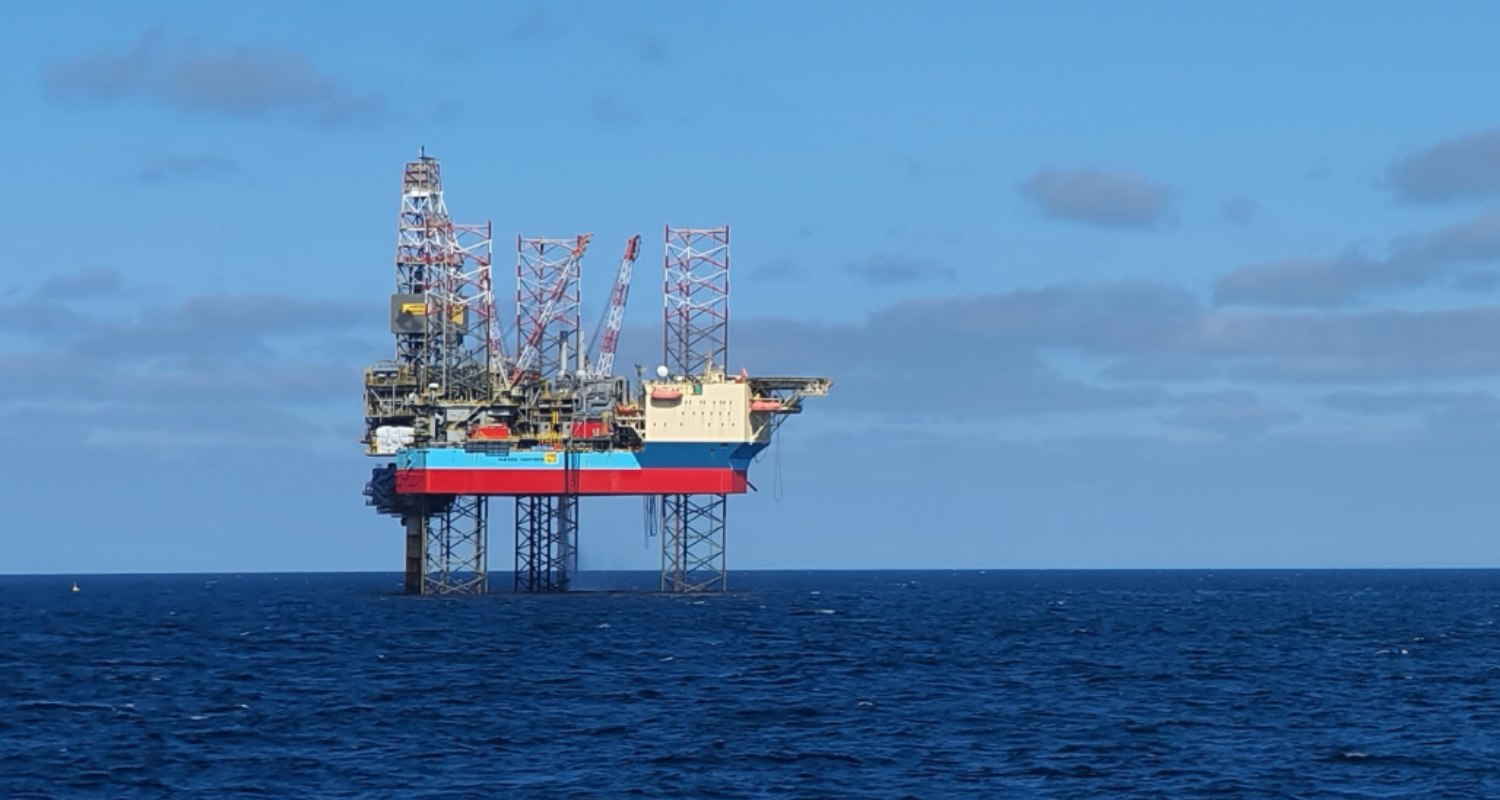
North Sea Resilience: Brage & Yme Output Offers Stability Amidst Crude Market Turmoil
The Norwegian North Sea remains a cornerstone of European energy security, and recent operational updates from fields like Brage and Yme underscore the ongoing importance of stable, mature production. For the full month of July 2025, combined output from these two vital assets reached 11,941 barrels of oil equivalent per day (boed). This figure, while a snapshot from nearly a year ago, provides critical insight for investors into the operational rhythm and underlying asset value of Lime Petroleum AS (LPA) and its operating partners, OKEA ASA on Brage and Repsol Norge AS on Yme. In an energy landscape characterized by acute price volatility, the consistent performance and strategic development initiatives at these fields offer a tangible anchor for investment theses.
Market Shocks and the Enduring Value of Steady Production
The backdrop against which North Sea production data is now assessed is one of significant market turbulence. As of today, April 18th, Brent crude trades at $90.38 per barrel, marking a sharp 9.07% decline within a single day. This recent volatility follows a broader trend where Brent has shed $20.91, or 18.5%, over the past two weeks, dropping from $112.78 on March 30th to $91.87 yesterday. Similarly, WTI crude has plummeted 9.41% to $82.59, while gasoline prices have fallen 5.18% to $2.93. Such dramatic shifts highlight the critical need for E&P companies to maintain robust, reliable production bases.
The July 2025 output of nearly 12,000 boed from Brage and Yme, where LPA holds substantial interests of 33.8% and 25% respectively, speaks to the operational resilience of these assets. For investors, this stability translates into predictable cash flows, which become increasingly attractive when macro price signals are erratic. While scheduled and unscheduled shut-ins occurred, these were characterized as “ordinary course of operations,” indicating that the production profile, despite minor interruptions, is largely consistent with established field management strategies. This operational discipline is a key factor in mitigating the impact of broader market downturns on individual asset valuations.
Strategic Enhancements and Future Production Horizons
Beyond current output, the strategic initiatives undertaken at Brage and Yme are pivotal for long-term value creation. At the Brage Field, the successful initiation of production from a new well signifies ongoing investment in boosting recovery and extending field life. Furthermore, the spudding of an exploration well in the southern part of the Talisker discovery during July 2025 points to a proactive approach in identifying and unlocking new reserves within existing licenses. These activities are crucial for counteracting natural decline rates inherent in mature fields and for providing future upside potential.
The Yme Field, operated by Repsol Norge AS, demonstrates an integrated approach to resource management. The practice of utilizing produced gas for production operations and re-injecting it into reservoirs for improved oil recovery (EOR) not only optimizes liquid hydrocarbon output but also aligns with more efficient energy use within the field. This strategy means that only oil is sold from Yme, streamlining revenue streams and enhancing the field’s economic profile. Such operational efficiencies and growth-oriented activities are precisely what investors seek when evaluating the sustainability and expansion potential of North Sea E&P assets.
Navigating Macro Headwinds: Investor Questions and Upcoming Catalysts
The current volatility in crude markets naturally prompts significant investor inquiry, and our reader intent data confirms a strong focus on macro predictions. Many investors are keenly asking about the trajectory of oil prices, with a common query being: “What do you predict the price of oil per barrel will be by the end of 2026?” This question underscores the broader uncertainty, even as specific operational updates from fields like Brage and Yme offer a micro-level view. Another frequently asked question, “What are OPEC+ current production quotas?”, highlights the market’s dependence on cartel decisions.
The immediate future holds several pivotal events that could significantly shape crude price action. Today, April 18th, and tomorrow, April 19th, the OPEC+ Joint Ministerial Monitoring Committee (JMMC) and the full Ministerial Meeting are scheduled. These gatherings are crucial for providing clarity on future supply policies, directly impacting the global supply-demand balance and, consequently, investor expectations for oil prices into 2026. Further key data points will emerge with the API Weekly Crude Inventory reports on April 21st and 28th, followed by the EIA Weekly Petroleum Status Reports on April 22nd and 29th. These inventory figures offer vital insights into short-term supply and demand dynamics in the critical U.S. market. Additionally, the Baker Hughes Rig Count reports on April 24th and May 1st will indicate future production trends in North America. For investors tracking operators like Repsol, the company’s performance, particularly in April 2026 and beyond, will be heavily influenced not just by individual field performance like Yme, but also by the broader macro environment shaped by these upcoming events and their implications for global crude prices.
Investment Implications for North Sea E&P: A Balanced Outlook
For investors considering exposure to the North Sea, the performance of fields like Brage and Yme, coupled with the strategic actions of their stakeholders, presents a compelling case for measured optimism. Companies like LPA, with their significant non-operated interests, benefit from stable production without bearing the full operational risk. Operators such as OKEA and Repsol, meanwhile, demonstrate their capacity for efficient field management and value enhancement through infill drilling and exploration.
While the recent sharp decline in Brent crude underscores the inherent risks in the oil and gas sector, the consistent operational updates from these Norwegian North Sea assets provide a counter-narrative of resilience. The ongoing development activities, combined with strategic gas management at Yme, suggest that these fields are well-positioned to continue contributing robustly to their owners’ portfolios. As the market digests critical OPEC+ decisions and weekly inventory data in the coming days, assets with demonstrated operational stability and strategic growth initiatives will likely attract renewed investor interest, offering a potential hedge against broader market volatility and a foundational element for a diversified energy investment strategy.


