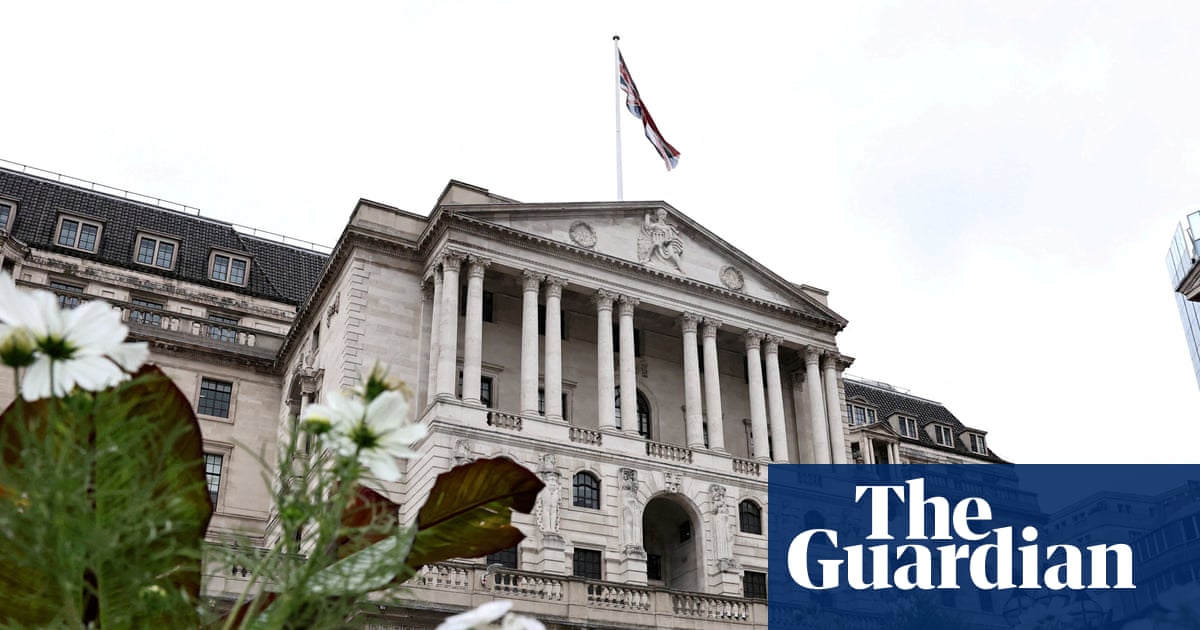
The Bank of England (BoE) is facing renewed and intensified pressure to integrate climate change risks more deeply into its core monetary policy and financial stability mandates. A decade after then-governor Mark Carney first warned of the “tragedy of the horizon,” a coalition of ten prominent environmental and economic groups is demanding decisive action from Threadneedle Street. For oil and gas (O&G) investors, this intensifying scrutiny from a major central bank signals a material shift in the financial landscape, potentially increasing the cost of capital, tightening access to credit, and fundamentally altering long-term asset valuations across the sector. Understanding these evolving regulatory currents is paramount for navigating the inherent risks and identifying strategic opportunities in the energy transition.
The Expanding Shadow of Climate Risk on O&G Finance
The calls for the BoE to commission a review of monetary policy and to more explicitly account for climate risks in its operations are not merely symbolic. They carry direct financial implications for the O&G sector. Specifically, campaigners urge the Bank to ensure climate risks are fully reflected in capital requirements for banks, which dictates the assets financial institutions must hold. More critically, they advocate for the BoE to discount fossil fuel-related assets when offered as collateral in its lending operations. This move, if adopted, would significantly alter the risk profile and attractiveness of O&G assets for financial institutions. By making it more expensive or less appealing for banks to hold or lend against fossil fuel-linked collateral, the cost of capital for exploration, production, and infrastructure projects would inevitably rise. This is not an unprecedented shift; the European Central Bank has already indicated it will account for “climate-change related uncertainties” in valuing assets for collateral, setting a precedent that the BoE is now pressed to follow. For O&G companies, this translates to a potential reduction in available financing, higher interest rates on loans, and a broader reevaluation of their asset bases by lenders and investors alike.
Navigating Macro Headwinds: Climate Shocks and Monetary Policy
The financial market is already grappling with significant volatility, and the interplay between climate shocks and central bank responses is becoming increasingly evident. As of today, Brent Crude trades at $90.38, reflecting a significant intraday decline of 9.07%, with a daily range between $86.08 and $98.97. WTI Crude followed suit, plummeting 9.41% to $82.59, moving within a range of $78.97 to $90.34. This sharp dip comes on the heels of a challenging 14-day period where Brent shed nearly 18.5%, falling from $112.78 on March 30th to $91.87 on April 17th. This broader downward trend underscores a market grappling with uncertain demand signals and supply dynamics, a complexity further compounded by central bank policy. The BoE’s recent monetary policy report, which saw a quarter-point interest rate cut to 4%, acknowledged the upside risk to inflation if “extreme weather events due to climate change were to negatively impact food production.” This highlights a critical paradox: climate-related supply shocks can fuel inflation, prompting central banks to raise interest rates. Yet, these higher rates simultaneously increase the cost of the massive public and private investment required for a transition away from fossil fuels, creating a complex and challenging macro environment for O&G investors. The UK’s recent inflationary crisis, triggered in part by fossil fuel price spikes, serves as a stark reminder of the financial system’s vulnerability to energy market volatility and climate impacts.
Investor Outlook: Pricing in Policy and Future Demand
Our proprietary data reveals that investors are keenly asking about future oil prices, with queries like “what do you predict the price of oil per barrel will be by end of 2026?” dominating discussions. This reflects a deep-seated uncertainty about long-term market trajectories, an uncertainty now amplified by the BoE’s potential policy shifts. If central banks like the BoE successfully implement stricter climate-related financial regulations, the long-term supply of fossil fuels could be constrained due to higher capital costs and reduced investment. This scenario could, paradoxically, support higher oil prices in the medium term if global demand proves resilient or transitions more slowly than anticipated. However, it also signals a clear commitment by policymakers to accelerate the energy transition, impacting the terminal value and long-term viability of fossil fuel assets. Investor inquiries about “What are OPEC+ current production quotas?” further underscore the constant interplay between geopolitical supply management and evolving demand forecasts. For individual companies, questions such as “How well do you think Repsol will end in April 2026” highlight the growing importance of strategic diversification and robust ESG credentials. Companies that demonstrate a clear, actionable plan for decarbonization and investment in renewable energy sources are likely to be viewed more favorably by a financial system increasingly influenced by central bank climate mandates, potentially commanding a “green premium” over their less diversified peers.
Critical Junctions: Upcoming Events and Strategic Positioning
The coming weeks are packed with crucial energy events that will shape market sentiment, occurring against the backdrop of these intensifying financial policy discussions. Investors must monitor these catalysts closely for real-time market signals. The OPEC+ Joint Ministerial Monitoring Committee (JMMC) meeting on April 18th and the subsequent Full Ministerial meeting on April 19th will be pivotal. These gatherings will determine the cartel’s production strategy, directly influencing global crude supply and price stability. Any decision to maintain or adjust current production quotas will have immediate ramifications for the market, potentially either exacerbating or alleviating the inflationary pressures that central banks are increasingly wary of. Furthermore, the weekly API Crude Inventory reports (April 21st, April 28th) and EIA Weekly Petroleum Status Reports (April 22nd, April 29th) will provide critical insights into U.S. supply and demand balances. These data points, alongside the Baker Hughes Rig Count on April 24th and May 1st, will offer a granular view of upstream activity and short-term market dynamics. For O&G investors, these events are not just about immediate price movements; they are crucial indicators of how the industry is adapting to both fundamental market forces and the growing regulatory pressure from institutions like the Bank of England. Strategic positioning now demands a keen eye on both traditional market drivers and the accelerating integration of climate risk into financial policy.


